Why Foods Suddenly Taste "Too Sweet" After a Diabetes Diagnosis

"Do you like food or drinks that are too sweet? Or just a little sweet?"
It sounds like a simple, almost innocent question you might casually ask a friend at a coffee shop. But when you are living with diabetes, this question carries a surprising amount of weight. Many people managing diabetes eventually notice a profound and unexpected shift: the sodas, frosted pastries, or heavily flavored lattes they once loved suddenly taste overwhelmingly, unpleasantly sweet.
This is not just your imagination playing tricks on you, nor is it simply a matter of getting older. If you have noticed that your threshold for sweetness has drastically dropped since your diagnosis or since you changed your dietary habits, you are experiencing a well-documented biological and psychological phenomenon. Let’s dive deep into why your taste buds are changing, the emotional hurdles of managing sweet cravings, and how to find that perfect balance of "just a little sweet."
The Psychological Deep-Dive: The Emotional Weight of "Sweet"
Before we look at the biology of taste buds, we have to acknowledge the psychological journey that accompanies a diabetes diagnosis. For most of our lives, sweet foods are intimately tied to comfort, reward, and celebration. We have birthday cake to celebrate another year of life; we drink hot cocoa to warm up on a cold day; we grab a candy bar for a quick dopamine hit after a stressful meeting.
From Comfort to Calculation
When you are diagnosed with diabetes whether Type 1, Type 2, or prediabetes that innocent relationship with sweetness is shattered. Suddenly, a simple donut is no longer just a treat; it is a math problem. It becomes a calculation of carbohydrates, a prediction of blood sugar spikes, a debate over insulin dosing, and a source of intense anxiety.
The mental association between heavily sweetened foods and the stress of managing a chronic illness can create a powerful psychological aversion. Over time, your brain begins to associate that intense, sugary flavor not with comfort, but with the exhaustion of hyper-vigilance. When you take a sip of a highly sweetened drink, your brain might interpret that intense flavor as a warning signal rather than a reward, making the experience feel stressful and the food taste "too sweet."
The Guilt and the "Forbidden Fruit" Effect
Conversely, the strict restriction of sugar can also backfire, leading to the "forbidden fruit" effect. When you tell yourself you can never have sweets again, the psychological deprivation can trigger intense, overpowering cravings. This constant push-and-pull, craving the sweet thing, fearing the sweet thing, finally eating it, and then feeling overwhelmed by both the taste and the ensuing guilt is a cornerstone of diabetes burnout. Recognizing this emotional cycle is the first step toward reclaiming a balanced, peaceful relationship with food.
The Biological Context: Why Your Taste Buds Actually Change
Beyond the psychological shifts, your body is physically changing the way it perceives flavor. The sensation of sweetness is not a fixed metric; it is highly adaptable and influenced by your diet, your blood sugar levels, and your overall metabolic health.
Neuroadaptation and the Palate Reset
The human palate is highly malleable. When you regularly consume highly processed, hyper-palatable foods (like commercial sodas and baked goods that are engineered to be as sweet as possible), your taste receptors become desensitized. You build a tolerance. You need more and more sugar to register the same level of satisfaction.
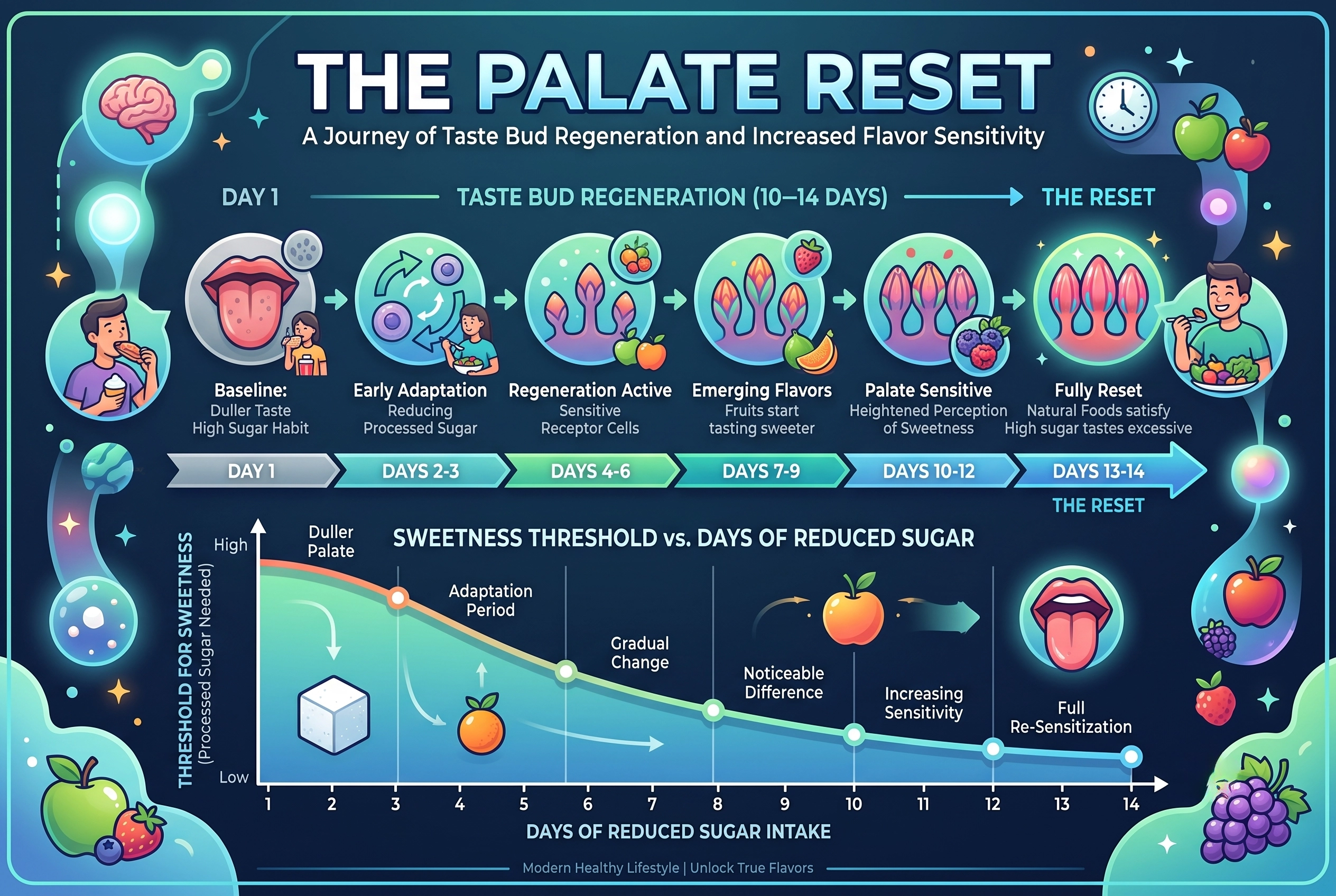
However, when you are diagnosed with diabetes and you deliberately reduce your intake of added sugars to manage your blood glucose, a process called neuroadaptation occurs. Deprived of that constant deluge of sugar, your taste buds physically regenerate (which they do every 10 to 14 days) and become acutely sensitive again. Your threshold for sweetness drops dramatically. After a few months of eating a lower-sugar, whole-food diet, the natural sugars in an apple might taste incredibly vibrant and satisfying. Meanwhile, if you try to take a sip of the regular cola you used to drink daily, it will assault your newly sensitized taste buds, tasting cloying, syrupy, and chemically artificial.
How Blood Sugar Levels Affect Your Saliva
There is also a direct physiological link between your blood glucose levels and your mouth. Chronic high blood sugar can alter the composition of your saliva. Because glucose is present in saliva, elevated blood sugar can literally change the baseline taste environment in your mouth. Furthermore, uncontrolled diabetes can lead to dry mouth (xerostomia), which concentrates whatever flavors are present and alters how food molecules bind to your taste receptors. This can lead to a condition known as dysgeusia, a distortion of the sense of taste, where things might taste metallic, bitter, or overly sweet.
The Role of Insulin Resistance in Cravings
It is also crucial to understand why we crave sweets in the first place. For individuals with insulin resistance (common in Type 2 diabetes and prediabetes), the body produces insulin, but the cells do not respond to it effectively. This means that even if there is plenty of glucose in your bloodstream, your cells are starving for energy. This cellular starvation triggers powerful biological signals to your brain, screaming: Eat fast energy! Eat sugar! This is why you can feel completely exhausted and crave sweets intensely, even when your blood sugar is already high. It is a biological drive, not a lack of willpower.
Scenario Comparison: The "Too Sweet" Trap vs. The "Just a Little Sweet" Balance
To truly understand how this plays out in daily life, let’s compare two distinct snacking scenarios.

Scenario A: The "Too Sweet" Nostalgia Trip
Imagine you have had a long, stressful week, and you decide to treat yourself to a commercial, heavily frosted pastry from a coffee shop something you used to eat all the time before your diagnosis.
- The Taste Experience: As you take a bite, the sheer volume of refined sugar overwhelms your newly sensitive palate. It doesn't taste like vanilla or butter; it just tastes like aggressive sweetness. It leaves a thick, sticky coating on your tongue.
- The Metabolic Aftermath: Because this pastry is pure refined carbohydrate with no fiber or protein to slow it down, it hits your bloodstream like a freight train. Within 30 minutes, your blood sugar rockets upward. If you wear a Continuous Glucose Monitor (CGM), you watch the arrow shoot straight up.
- The Physical Toll: Your body scrambles to respond. A few hours later, as the sugar processes (or as your injected insulin peaks), you experience a rapid drop. This crash leaves you feeling deeply fatigued, shaky, brain-fogged, and ironically, craving more sugar to fix the crash. You are left with a feeling of regret and physical exhaustion.
Scenario B: The "Just a Little Sweet" Evolution
Now, imagine choosing a snack that aligns with your newly adapted palate: half a cup of fresh raspberries, a dollop of plain, unsweetened full-fat Greek yogurt, and a dusting of cinnamon.
- The Taste Experience: The raspberries provide a bright, tart, and subtle sweetness. The creaminess of the yogurt perfectly balances the fruit, and the cinnamon tricks your brain into perceiving a warm, sweet flavor without any added sugar. It is complex, refreshing, and "just a little sweet."
- The Metabolic Aftermath: The fiber in the raspberry seeds and the dense protein and fat in the Greek yogurt act as a metabolic buffer. They slow down the digestive process. As a result, the natural carbohydrates enter your bloodstream at a slow, manageable trickle. Your CGM shows a gentle, rolling hill rather than a terrifying spike.
- The Physical Toll: Because your blood sugar remains stable, you experience sustained energy for the next few hours. There is no crash, no brain fog, and no reactive hunger. You feel nourished, satisfied, and confident in your daily management.
Navigating the Artificial Sweetener Maze
When regular sugar becomes "too sweet" or too metabolically costly, many turn to artificial sweeteners (like aspartame or sucralose) or natural zero-calorie sweeteners (like stevia or monk fruit). While these can be helpful tools, they come with their own complexities.
Artificial sweeteners are often hundreds, if not thousands, of times sweeter than table sugar. If you consume them frequently in diet sodas or sugar-free candies, you maintain that artificially high threshold for sweetness. This can prevent your taste buds from properly resetting, meaning whole foods like fruits and vegetables may still taste bland to you. Furthermore, some studies suggest that the intense sweet taste of artificial sweeteners can trick the brain into expecting a calorie delivery; when the calories don't arrive, it can sometimes trigger further cravings. Using them mindfully and in moderation is key to finding that "just a little sweet" balance.
Actionable Strategies to Manage Cravings and Reset Your Palate
If you are struggling with intense cravings or feeling overwhelmed by how your taste has changed, here are practical ways to manage:
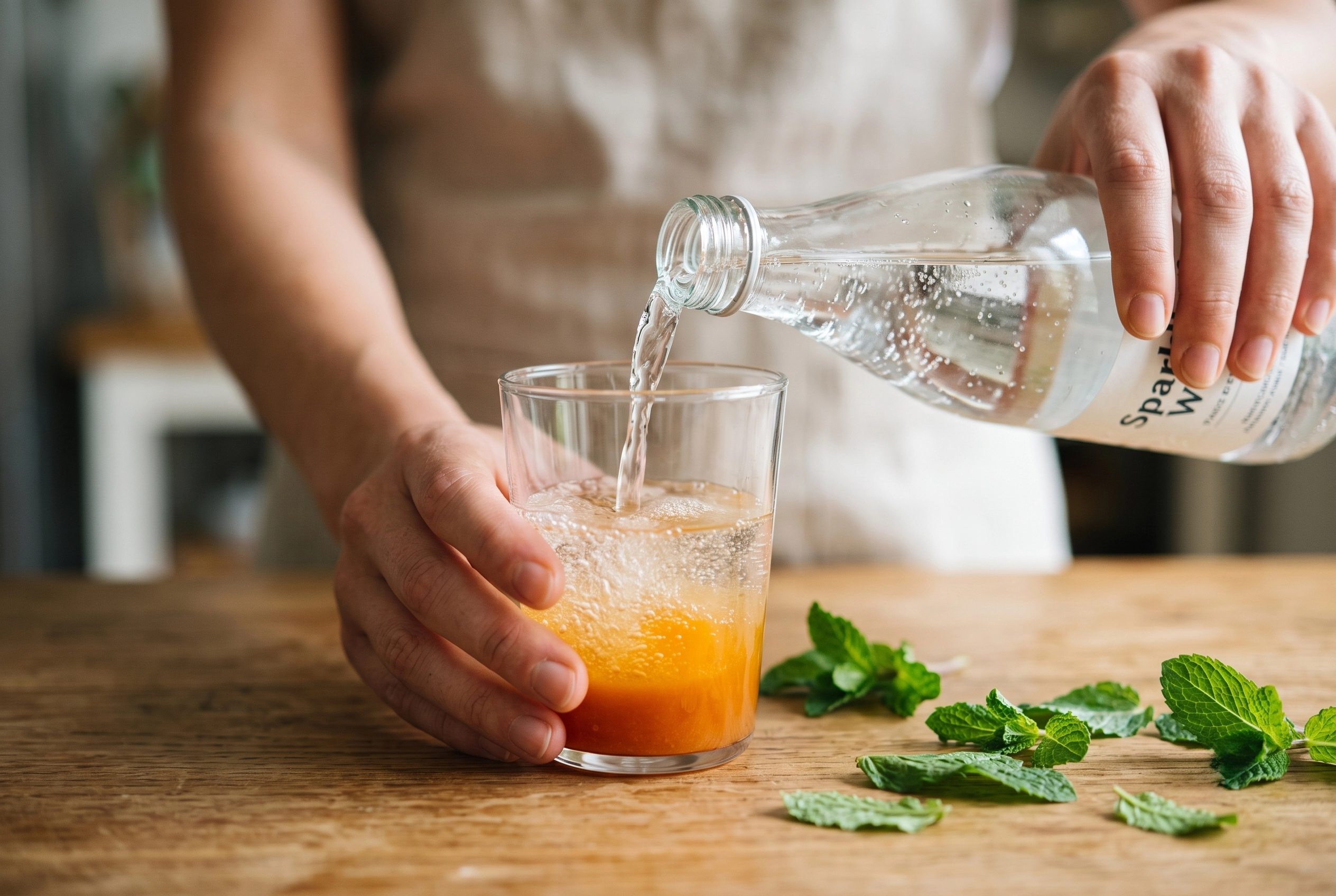
- The Dilution Technique: If you are trying to step down from highly sweetened drinks, don't go cold turkey. Take your favorite juice or sweetened tea and dilute it 50/50 with sparkling water or unsweetened tea. Over a few weeks, change the ratio to 25/75. Gradually lowering the concentration allows your taste buds to adapt without feeling deprived.
- Leverage Flavor Trickery: You can make foods taste sweeter without adding carbohydrates by using spices and extracts. Cinnamon, nutmeg, cardamom, and pure vanilla extract all enhance the perception of sweetness.
- Always Pair Carbs with a "Buffer": Never eat a carbohydrate entirely by itself. If you want something a little sweet, like a piece of fruit, pair it with a buffer of protein, fat, or fiber (like a handful of almonds or a slice of cheese). This stabilizes the blood sugar response and keeps you fuller, reducing the physiological drive to keep eating sweets.
- Prioritize Hydration: Sometimes, what feels like a sugar craving is actually mild dehydration. Before reaching for a sweet snack, drink a large glass of water and wait 15 minutes.
Supporting Your Body’s Internal Balance
While adjusting your diet and retraining your palate are the most effective long-term strategies, sometimes our bodies need extra support to maintain balance, especially when dealing with the metabolic hurdles of diabetes.
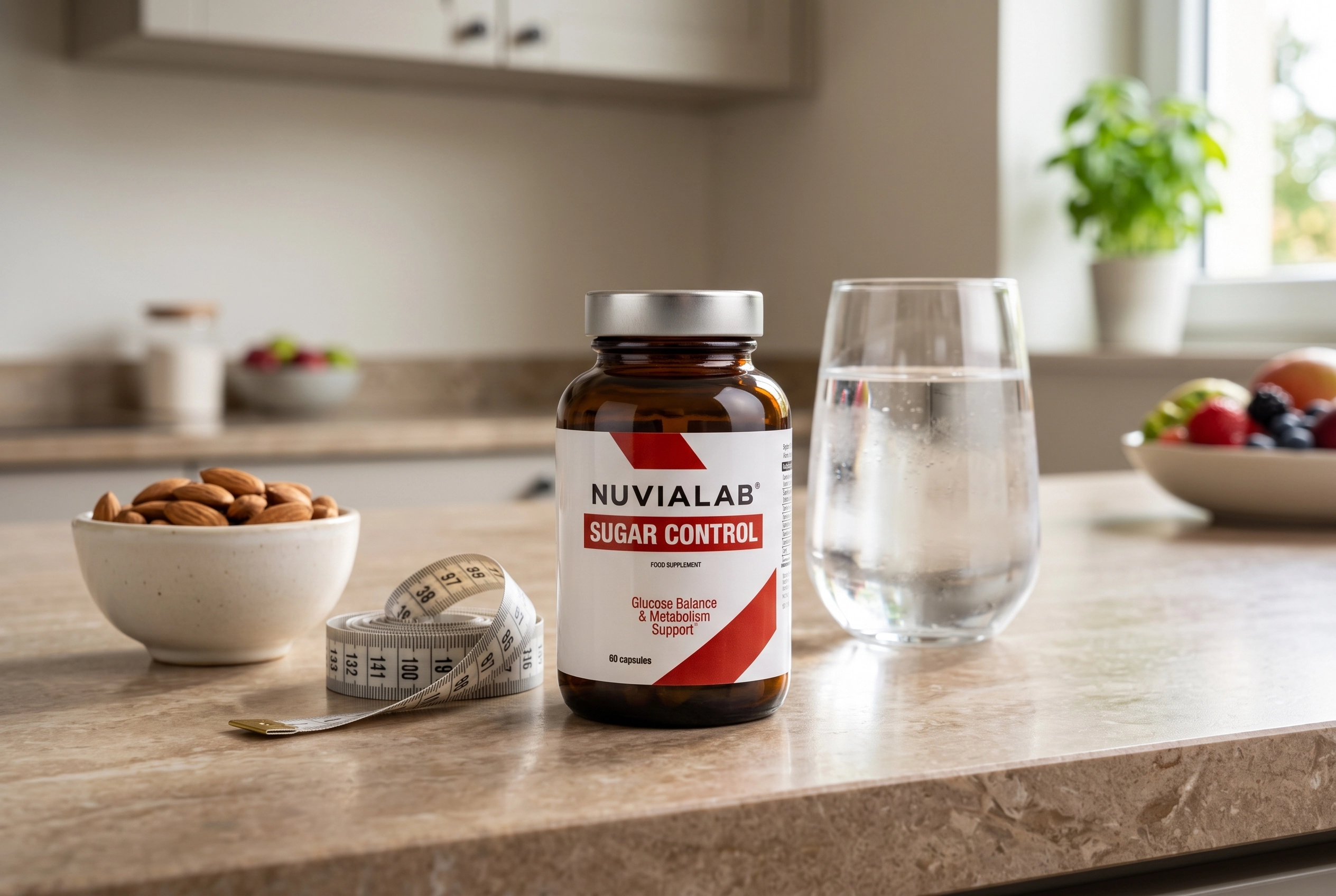
NuviaLab Sugar Control is a unique food supplement that supports the maintenance of normal blood sugar levels. Regular use of the product supports the maintenance of proper macronutrient metabolism in the blood, contributes to the regulation of hormonal activity, and helps reduce feelings of fatigue. Formulated with a combination of 9 ingredients, including certified plant extracts, vitamins, and minerals, NuviaLab Sugar Control also helps reduce appetite and calorie intake. This reduction in appetite can be incredibly beneficial when you are trying to break the cycle of intense sugar cravings and transition toward a diet that favors "just a little sweet."
Always remember that while supplements can support your daily routine, they do not replace medical advice, prescribed medications, or insulin therapy.
FAQs
Why does water taste sweet to me now?
If plain water suddenly tastes sweet, it could be a sign of fluctuating blood sugar levels affecting your saliva. However, it can also be a symptom of nerve issues, acid reflux, or a side effect of certain medications. If this persists, mention it to your doctor.
Is it normal to lose your appetite for sweets completely with diabetes?
Yes, it is quite common. Between the anxiety of blood sugar spikes, the physical palate reset from a low-sugar diet, and the side effects of certain diabetes medications (like GLP-1 agonists or Metformin), many people find they completely lose their desire for heavily sweetened foods.
Can neuropathy affect my sense of taste?
Yes. Diabetic neuropathy typically affects the hands and feet, but autonomic neuropathy can affect the nerves responsible for digestion and even those connected to the sensory functions of the mouth, potentially altering how you perceive taste.
Adjusting to life with diabetes means adjusting to a new normal, and that includes your relationship with food. Embracing the fact that your body now prefers things "just a little sweet" is not a loss; it is a sign that your body is adapting, healing, and communicating its needs more clearly than ever before.
Medical Disclaimer: The information provided in this article is for educational and informational purposes only and is not intended to be a substitute for professional medical advice, diagnosis, or treatment. Always seek the advice of your physician or a qualified healthcare provider before making any changes to your diet, starting any new dietary supplements, or adjusting your diabetes management plan.
You should also read:

Is Feeling Sleepy After Eating a Sign of Diabetes? What It May Mean
Feeling sleepy after eating can be frustrating, especially when it happens in the middle of the day. You eat lunch, return to work, and suddenly your body feels heavy. Your eyes want to close. Your focus disappears. Then a worrying thought appears: “Is feeling sleepy…
Continue reading...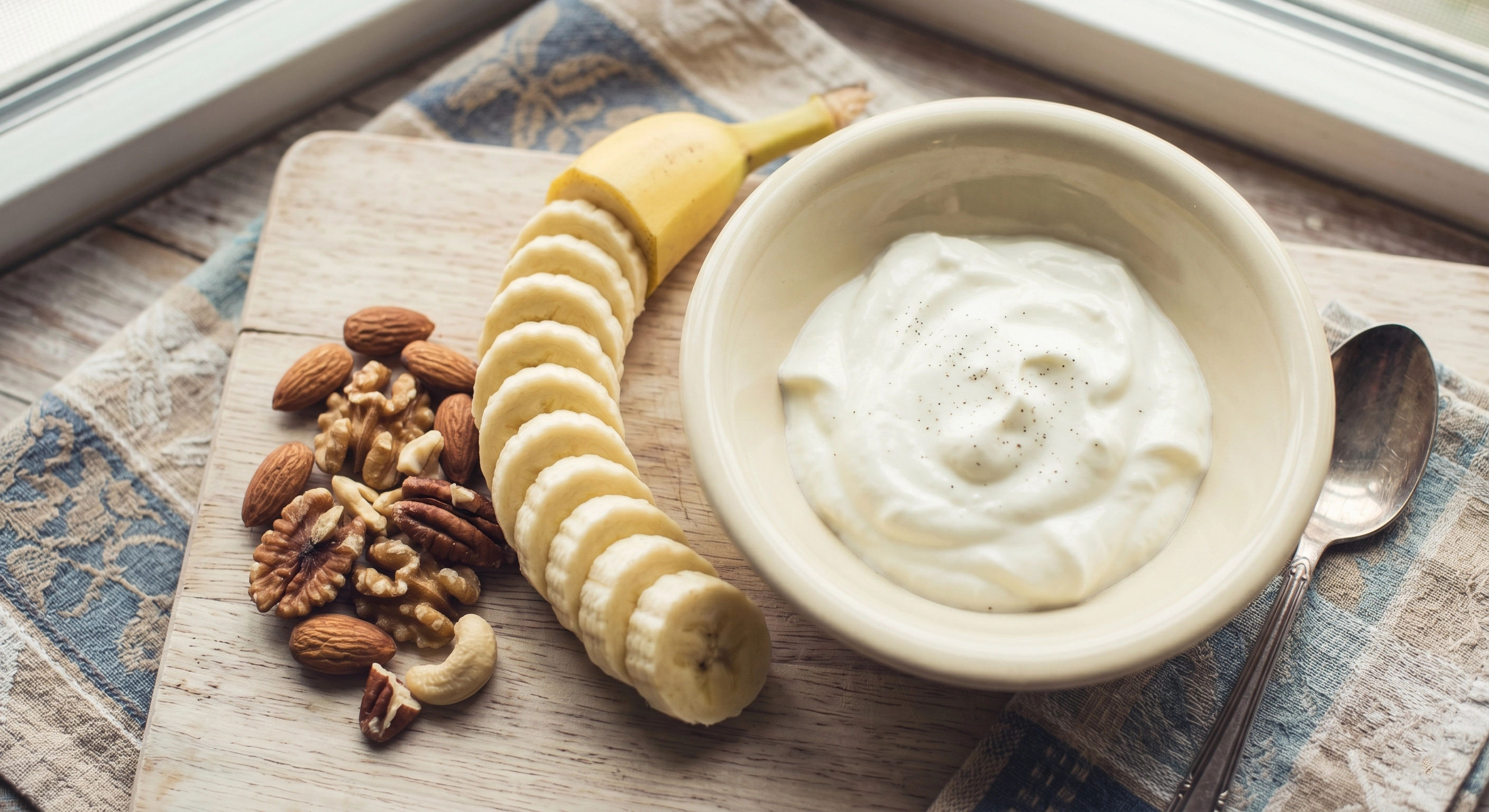
Can Banana Be Eaten in Diabetes? A Practical Guide to Portion, Ripeness, and Blood Sugar
Bananas are one of those everyday foods that can feel confusing if you are watching your blood sugar. On one hand, a banana is a whole fruit. It is simple, affordable, portable, and naturally sweet. On the other hand, you may have heard that bananas…
Continue reading...
Can You Eat Watermelon with Diabetes? A Practical Guide Without Food Fear
Watermelon is one of those foods that can feel confusing if you are watching your blood sugar. It is fresh, light, and mostly water. At the same time, it tastes very sweet. So it is natural to wonder: can diabetics eat watermelon, or is it…
Continue reading...