Is Feeling Sleepy After Eating a Sign of Diabetes? What It May Mean

Feeling sleepy after eating can be frustrating, especially when it happens in the middle of the day. You eat lunch, return to work, and suddenly your body feels heavy. Your eyes want to close. Your focus disappears. Then a worrying thought appears: “Is feeling sleepy after eating a sign of diabetes?”
The honest answer is: not always.
Feeling sleepy after eating can happen for many reasons. A large meal, a high-carbohydrate lunch, poor sleep, dehydration, stress, alcohol, or even a normal afternoon energy dip can all play a role. However, repeated or severe post-meal fatigue can sometimes be connected with blood sugar changes, and it may be worth paying closer attention — especially if it comes with other symptoms.
This article will help you understand what post-meal sleepiness may mean, how blood sugar after eating can affect energy, what signs deserve medical attention, and what practical steps you can take without panicking.
Is Feeling Sleepy After Eating a Sign of Diabetes?
Feeling sleepy after eating can be related to blood sugar for some people, but it does not automatically mean diabetes.
This distinction matters. Many people feel tired after a heavy meal, especially after lunch. That does not mean something is medically wrong. But if you often feel extremely tired after meals, or if the tiredness is paired with symptoms such as increased thirst, frequent urination, blurry vision, unusual hunger, unexplained weight changes, slow-healing cuts, or tingling in the hands or feet, it becomes more important to get checked.
Diabetes is not diagnosed by one feeling after one meal. A healthcare professional usually looks at symptoms, risk factors, and blood tests such as fasting blood glucose, A1C, or an oral glucose tolerance test.
So a better question is not simply, “Does sleepiness after eating mean diabetes?”
A better question is:
“Is this a repeated pattern, and are there other signs that suggest my blood sugar may need attention?”
Why You May Feel Sleepy After Eating
After you eat, your body has work to do. It digests food, absorbs nutrients, and manages changes in blood sugar, hormones, and energy use. Some tiredness after eating can be normal, especially after a large meal.
But the reason matters.
Large Meals Can Make You Feel Heavy
A big meal can make your body feel slow and sleepy. This is common after large lunches or dinners, especially if the meal includes a lot of refined carbohydrates, fried foods, or sugary drinks.
For example, imagine this lunch:
White rice, fried chicken, a sweet drink, and dessert.
That meal may taste satisfying, but it can also leave some people feeling sluggish afterward. The tiredness may come from the size of the meal, the type of carbohydrates, the amount of fat, or the natural dip in alertness that often happens in the afternoon.
This does not prove diabetes. It simply shows that your body may respond differently to different meal patterns.
High-Carbohydrate Meals May Affect Energy
Carbohydrates break down into glucose, which enters the bloodstream. Your body then uses insulin to help move glucose from the blood into cells, where it can be used for energy.
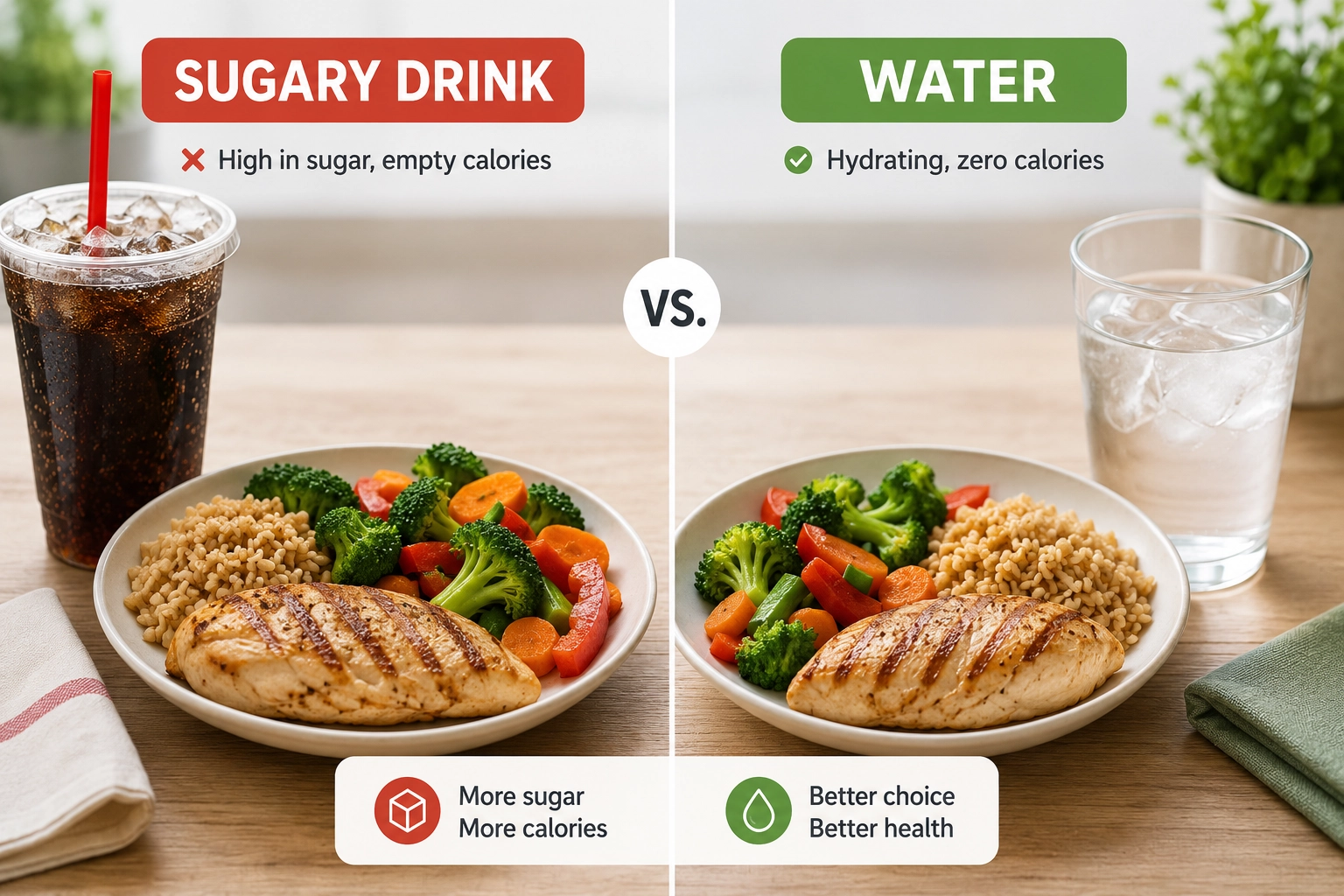
Some people notice that meals high in refined carbohydrates or added sugar make them feel tired afterward. Examples include:
- White bread with sweet coffee
- Sugary cereal
- Large bowls of white rice or noodles
- Pastries or cakes
- Sweet tea, soda, or juice
- Big pasta meals with little protein or fiber
This does not mean carbohydrates are “bad.” Many healthy foods contain carbohydrates, including fruit, beans, oats, yogurt, and whole grains. The issue is often the type, amount, and balance of the meal.
A meal that is mostly refined carbs and sugar may not keep some people energized for long. Adding protein, fiber, vegetables, and healthy fats may support steadier energy.
Poor Sleep Can Show Up After Meals
Sometimes the meal is not the real problem. You may simply be tired already.
If you slept poorly, worked under stress, skipped breakfast, or drank too much caffeine earlier, lunch can reveal the fatigue that was already there. After eating, your body relaxes a little, and the tiredness becomes more noticeable.
This is why it helps to look at the full picture instead of blaming one food or assuming diabetes right away.
Dehydration and Alcohol Can Make It Worse
Not drinking enough water can contribute to fatigue. Alcohol with meals can also make sleepiness stronger, especially at dinner or during a weekend lunch.
If you regularly feel sleepy after eating, it may be useful to notice whether the pattern changes when you drink more water, reduce alcohol, or avoid sugary drinks.
Food Coma and Blood Sugar: What Is the Connection?
Many people use the phrase “food coma” to describe feeling sleepy, heavy, or mentally slow after eating. A food coma is not a medical diagnosis, but it describes a real experience.
Blood sugar may be part of the picture for some people, but it is not the only explanation.
Blood Sugar Spikes and Energy Crashes
After a meal, blood sugar naturally rises. In a healthy response, the body manages that rise and brings blood sugar back down over time.
Some people may feel tired after meals that cause a sharper blood sugar rise, especially if the meal is high in refined carbohydrates and low in fiber, protein, and fat. Others may not feel much difference at all.
It is important not to oversimplify this. Feeling tired after eating does not always mean your blood sugar “spiked.” It can also be related to digestion, meal size, sleep, hydration, stress, or your normal daily rhythm.
Still, if the same type of meal repeatedly leaves you exhausted, that pattern is worth noticing.
Could Low Blood Sugar After Eating Cause Tiredness?
Some people experience symptoms when blood sugar drops after a meal. This is often discussed as reactive hypoglycemia. It may happen a few hours after eating, not necessarily right away.
Possible symptoms can include tiredness, shakiness, sweating, hunger, dizziness, anxiety, weakness, or feeling mentally foggy. However, these symptoms can overlap with many other issues, so it is important not to self-diagnose.
If you feel shaky, faint, confused, sweaty, or unable to function after meals, especially if it happens repeatedly, it is a good idea to speak with a healthcare professional.
Three Real-Life Examples
Example 1: The Office Lunch Crash
Daniel eats a large lunch at work: white rice, fried meat, a sweet drink, and a small dessert. About 30 minutes later, he feels sleepy and unfocused. He wonders if this means diabetes.
In this case, the tiredness may be related to meal size, refined carbohydrates, sugar, and the normal afternoon dip in energy. It does not automatically mean diabetes. A useful first step would be to observe whether the same thing happens after a more balanced lunch.
For example, he could try rice with more vegetables, a clear protein source, and water instead of a sweet drink. If he feels better, that tells him something practical about his meal pattern.
Example 2: The “Light Breakfast” That Does Not Last
Maria eats toast with jam and fruit juice for breakfast. It feels light, but two hours later she feels tired, hungry, and distracted.
Her breakfast is not “wrong,” but it may be low in protein and fiber. Some people feel more stable when breakfast includes protein and slower-digesting carbohydrates.
She might try eggs with whole-grain toast, Greek yogurt with berries and nuts, or oatmeal with protein on the side. The goal is not perfection. The goal is to test whether a more balanced breakfast supports better energy.
Example 3: The Pattern That Needs Attention
James feels sleepy after most meals. He also notices that he is thirstier than usual, wakes up to urinate at night, has blurry vision sometimes, and feels tired even after sleeping.
This is different from an occasional lunch crash. Because his symptoms are repeated and come with other possible warning signs, he should talk with a healthcare professional and ask whether blood sugar testing is appropriate.
How to Notice Patterns Without Obsessing
You do not need to track every bite forever. But a short period of observation can be helpful.
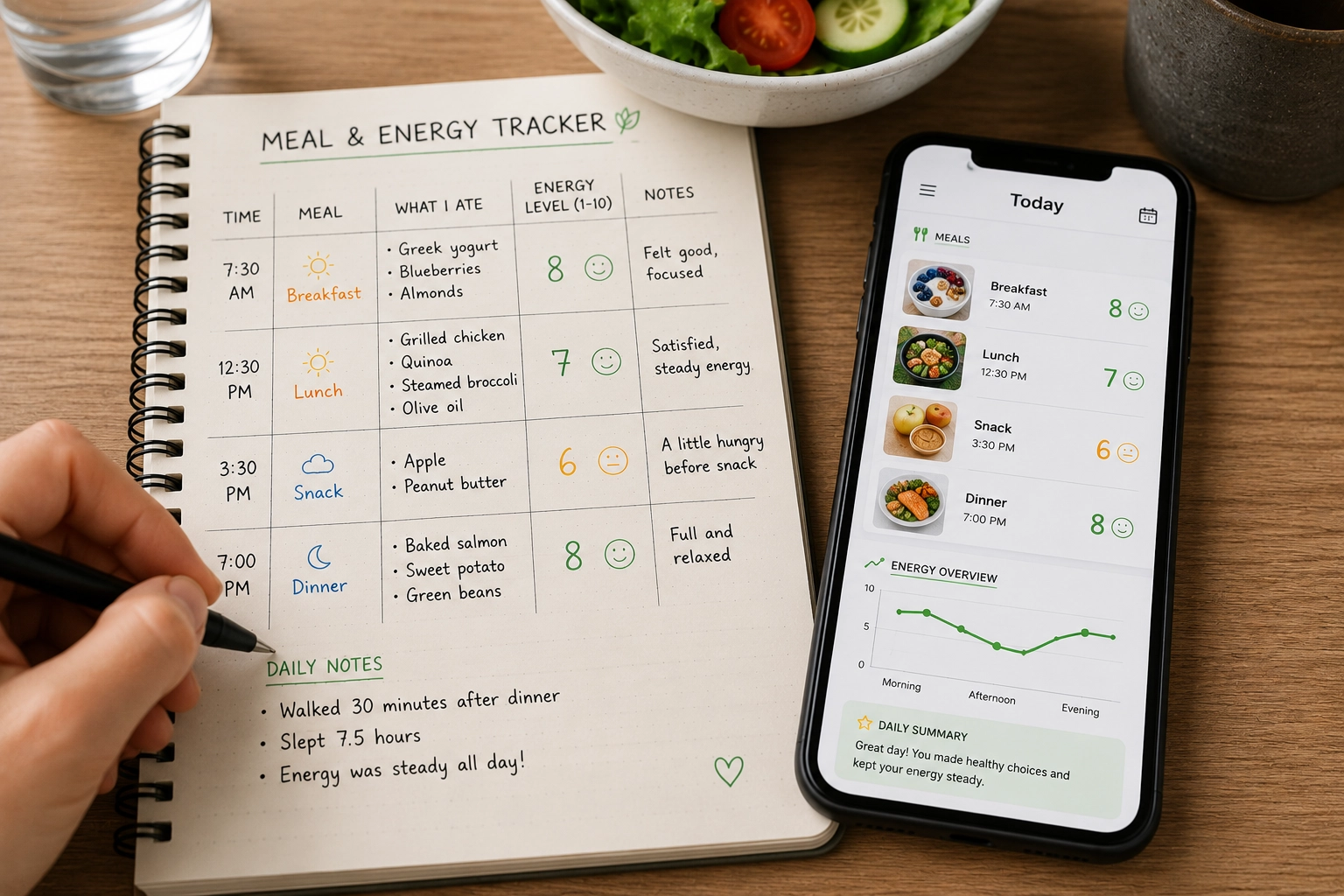
Try tracking for one or two weeks. Keep it simple.
1. What Did You Eat?
Write down the main parts of the meal. You do not need exact calories. Just note whether the meal was mostly:
- Refined carbohydrates
- Protein
- Vegetables
- Fried foods
- Sugary drinks
- Sweets or dessert
- A very large portion
For example: “Rice, chicken, vegetables, sweet tea” is enough.
2. When Did Sleepiness Start?
Timing can give clues.
Did you feel sleepy:
- Immediately after eating?
- 30–60 minutes later?
- Two to four hours later?
- Only after lunch?
- Only after very large meals?
- Only after sweet foods?
This does not diagnose anything, but it helps you explain the pattern more clearly if you talk with a healthcare professional.
3. How Strong Was It?
Mild drowsiness is different from feeling unable to work, needing to lie down, or feeling dizzy and shaky.
You can use a simple 1–5 scale:
1 = barely noticeable
3 = distracting but manageable
5 = severe or hard to function
4. Were There Other Symptoms?
Pay attention to symptoms such as:
- Unusual thirst
- Frequent urination
- Extreme hunger
- Blurry vision
- Shakiness
- Sweating
- Dizziness
- Confusion
- Unexplained weight changes
- Slow-healing cuts
- Tingling or numbness in hands or feet
If these show up often, it is safer to seek medical advice.
A Practical Meal Framework for Steadier Energy
This section is not a treatment plan. It is a simple way to build meals that may support steadier post-meal energy for many people.

Use the “Balance Before Blame” Method
Instead of blaming one food immediately, ask:
Was this meal balanced enough for my body?
A more balanced meal often includes:
- A protein source
- A fiber-rich carbohydrate
- Non-starchy vegetables
- A small amount of healthy fat
- Water or an unsweetened drink
For example:
- Instead of only toast and juice, try toast with eggs and fruit.
- Instead of a big bowl of noodles alone, add protein and vegetables.
- Instead of rice with sweet tea, try rice with fish, vegetables, and water.
You do not have to remove every carbohydrate. Many people do better by changing the portion and pairing rather than cutting foods completely.
Start With One Small Change
Extreme changes are hard to maintain. Smaller experiments are more useful.
Try one of these:
- Replace a sugary drink with water.
- Add protein to breakfast.
- Add vegetables to lunch.
- Reduce the portion of refined carbs slightly.
- Choose a snack with protein and fiber.
- Take a gentle walk after meals if it is safe and comfortable.
- Eat more slowly and stop before feeling overly full.
Then observe how you feel.
Avoid Panic Dieting
If you are worried about blood sugar, it can be tempting to cut out all carbs immediately. But very restrictive changes can backfire, especially if you have diabetes, take medication, or have a history of disordered eating.
A safer approach is to learn your patterns, make balanced changes, and ask for professional guidance when needed.
Common Mistakes and Misconceptions
Mistake 1: Assuming Sleepiness After Eating Automatically Means Diabetes
This is the biggest misconception. Post-meal sleepiness can be connected to blood sugar, but it can also be caused by many everyday factors.
One symptom alone is not enough to diagnose diabetes.
Mistake 2: Ignoring a Repeated Pattern
The opposite mistake is ignoring symptoms because “everyone gets tired after lunch.”
Occasional tiredness after a heavy meal is common. But frequent, severe, or worsening fatigue deserves attention, especially if it comes with thirst, frequent urination, blurry vision, shakiness, dizziness, or unexplained weight changes.
Mistake 3: Blaming One Food Instead of the Whole Meal
A banana alone, a bowl of rice alone, or toast alone may affect you differently than when those foods are paired with protein, fiber, and healthy fats.
Food context matters.
Mistake 4: Using Caffeine as the Only Fix
Coffee may help you feel awake temporarily, but it does not answer the bigger question: why are you crashing after meals?
If the pattern keeps happening, look at meal balance, sleep, hydration, stress, and possible medical factors.
Mistake 5: Looking for a Supplement Shortcut
Because this topic is symptom-related, it is better not to treat post-meal sleepiness with supplement assumptions. Supplements should not be used as a replacement for medical evaluation, balanced meals, sleep, or appropriate blood sugar testing.
If symptoms are frequent or concerning, the next step is not a product. The next step is better observation and, when needed, professional advice.
When to Talk With a Healthcare Professional
You should consider talking with a healthcare professional if:
- Sleepiness after eating is frequent or severe
- The symptom is new or getting worse
- You feel shaky, dizzy, sweaty, faint, or confused
- You also have increased thirst or frequent urination
- You notice blurry vision
- You have unexplained weight loss or weight changes
- Cuts or wounds heal slowly
- You feel tingling, burning, pain, or numbness in your hands or feet
- You already have diabetes, prediabetes, insulin resistance, or take medication that affects blood sugar
- Fatigue interferes with work, driving, or daily life

Getting checked does not mean something is definitely wrong. It simply helps you understand what is happening.
Practical Checklist: What to Do If You Often Feel Sleepy After Eating
Use this simple checklist for the next one to two weeks:
- Notice which meals trigger sleepiness.
- Write down what you ate and when symptoms started.
- Compare large meals with smaller, balanced meals.
- Pay attention to sugary drinks and refined carbohydrates.
- Add protein, fiber, and vegetables where realistic.
- Drink enough water.
- Prioritize sleep.
- Avoid making extreme diet changes without guidance.
- Watch for other symptoms such as thirst, frequent urination, blurry vision, shakiness, or dizziness.
- Talk with a healthcare professional if the pattern is frequent, severe, new, or paired with warning signs.
Practical Takeaway
Feeling sleepy after eating does not automatically mean diabetes. For many people, it may be related to a large meal, a high-carb or sugary meal, poor sleep, dehydration, stress, or a normal afternoon dip in energy.
But your body’s patterns are worth listening to.
If post-meal fatigue happens often, feels intense, or comes with other symptoms such as increased thirst, frequent urination, blurry vision, shakiness, dizziness, or unexplained weight changes, it is wise to talk with a healthcare professional.
A good first step is not panic. It is pattern recognition: what you ate, when you felt tired, how strong it was, and what else was happening in your body.
FAQ
Is feeling sleepy after eating always a sign of diabetes?
No. Feeling sleepy after eating can happen for many reasons, including large meals, high-carbohydrate meals, poor sleep, dehydration, alcohol, stress, or a normal afternoon energy dip. It does not automatically mean diabetes.
Why do I feel sleepy after eating carbs?
Some people feel more tired after meals that are high in refined carbohydrates or sugar, especially when the meal is low in protein and fiber. This may be related to digestion, blood sugar changes, meal size, or how quickly the meal is absorbed.
What diabetes symptoms should I watch for besides tiredness?
Possible warning signs can include increased thirst, frequent urination, extreme hunger, blurry vision, unexplained weight changes, slow-healing cuts, frequent infections, and tingling or numbness in the hands or feet. If these symptoms appear often, talk with a healthcare professional.
Can normal blood sugar still make me feel sleepy after eating?
Yes. Post-meal sleepiness can happen even when blood sugar is not in a diabetic range. Sleep quality, meal size, hydration, stress, alcohol, and food balance can all affect energy.
Should I check my blood sugar if I feel sleepy after meals?
Some people may find blood sugar tracking helpful, especially if symptoms are frequent or they have risk factors for diabetes. A healthcare professional can advise whether testing is appropriate and how to interpret the results.
What should I eat to avoid feeling sleepy after lunch?
Some people feel better with a balanced lunch that includes protein, fiber-rich carbohydrates, vegetables, healthy fats, and water instead of sugary drinks. Smaller portions and a gentle walk after meals may also support steadier energy for some people.
When should I worry about post-meal fatigue?
It is more concerning if it is frequent, severe, new, worsening, or paired with symptoms such as intense thirst, frequent urination, blurry vision, shakiness, dizziness, faintness, confusion, unexplained weight changes, or slow-healing wounds.
Health disclaimer: This article is for general education only. It cannot diagnose diabetes, prediabetes, hypoglycemia, or any medical condition. If your symptoms are frequent, severe, new, worsening, or paired with other concerning signs, talk with a qualified healthcare professional.
You should also read:

Feeling Sleepy After Meals? Why 10 Minutes of Movement May Be Worth Trying
Feeling sleepy after meals is easy to dismiss. A heavy lunch makes the afternoon feel slower. Dinner ends, and the couch suddenly looks much more inviting. Even a small meal or a simple drink can sometimes leave the body feeling less alert than expected. For…
Continue reading...
Is Sourdough Bread Good for Diabetics? What to Know Before You Eat It
Sourdough bread has a strong “health halo.” It sounds traditional, natural, fermented, and more wholesome than regular white bread. So if you are trying to manage blood sugar, it is easy to wonder: is sourdough bread good for diabetics, or is it just another bread…
Continue reading...
Can You Eat Popcorn with Diabetes? A Practical Guide for Snack Time
Popcorn can feel like one of the most confusing snacks when you are trying to manage blood sugar. On one hand, it seems light, crunchy, and less greasy than potato chips. On the other hand, popcorn is still made from corn, which means it contains…
Continue reading...