Is Sourdough Bread Good for Diabetics? What to Know Before You Eat It
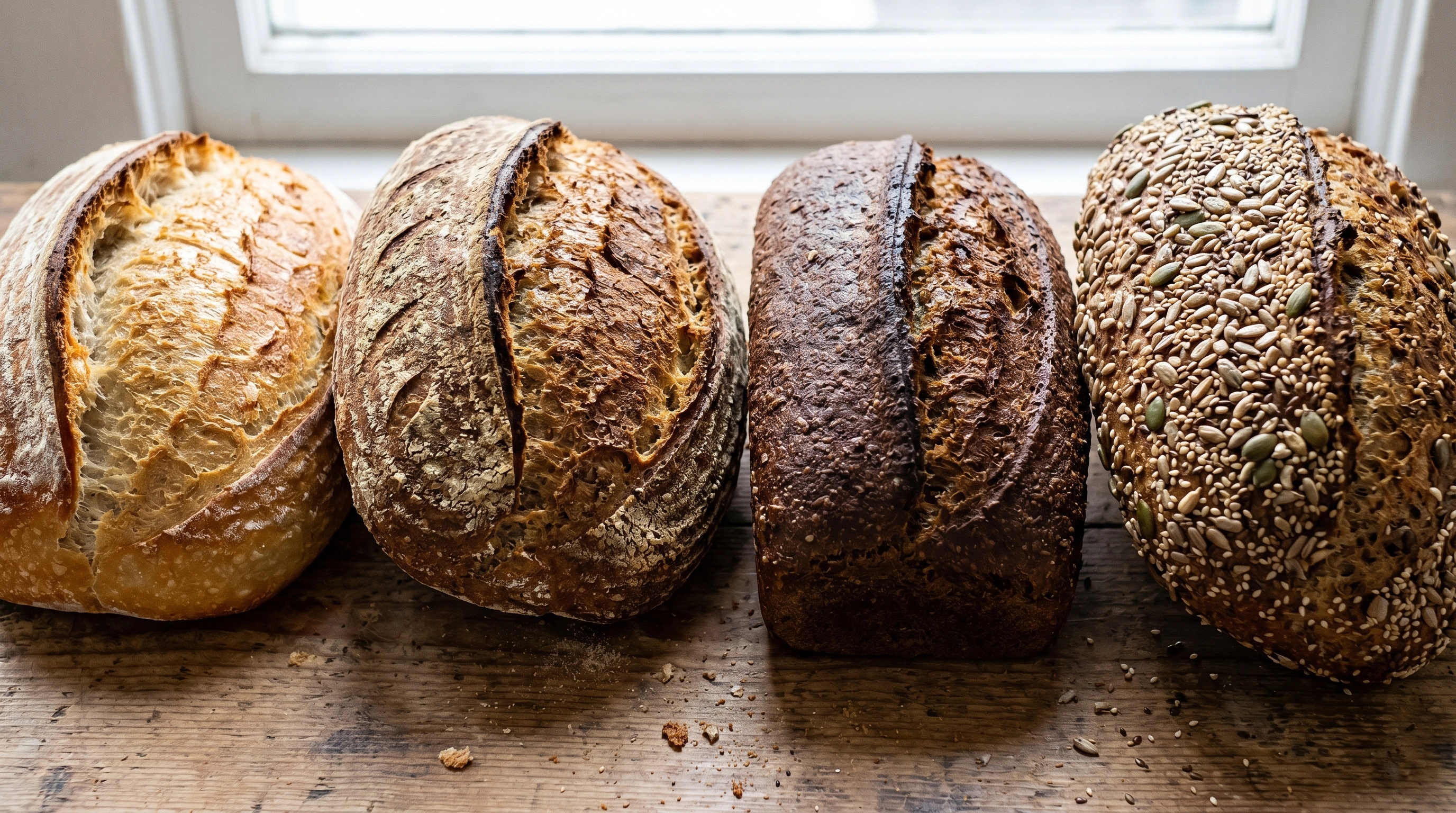
Sourdough bread has a strong “health halo.” It sounds traditional, natural, fermented, and more wholesome than regular white bread. So if you are trying to manage blood sugar, it is easy to wonder: is sourdough bread good for diabetics, or is it just another bread with a healthier image?
The honest answer is: sourdough bread may be a better choice than some regular breads for some people, but it is not automatically blood-sugar friendly. It still contains carbohydrates, and the way it affects blood sugar depends on the type of flour, the portion size, what you eat with it, and your own body’s response.
This article will help you look at sourdough in a practical way, without fear and without hype.
Health Disclaimer: This article is for general education only and is not medical advice. If you have diabetes, use insulin, take glucose-lowering medication, or follow a specific carbohydrate target, talk with your healthcare professional or registered dietitian about what fits your personal needs.
Is Sourdough Bread Good for Diabetics?
Sourdough can sometimes fit into a diabetes-conscious eating pattern. Some people may find that sourdough bread feels more satisfying or causes a gentler blood sugar response than regular white bread. This may be related to the fermentation process, the structure of the bread, and the type of flour used.
But sourdough is still bread. Most sourdough bread is made from flour, which means it contains starch. During digestion, starch breaks down into glucose. So even if sourdough is fermented, artisan, organic, or homemade, it can still raise blood sugar.
A better way to think about it is this:
Sourdough is not a magic bread. It is a bread that may be a smarter option when chosen and eaten carefully.
That means looking beyond the word “sourdough” on the label.
Why Sourdough May Affect Blood Sugar Differently
Traditional sourdough is made through fermentation. Instead of relying only on commercial baker’s yeast, sourdough uses a starter that contains wild yeasts and lactic acid bacteria. This fermentation changes the bread’s flavor, texture, and acidity.
Because of this process, sourdough may digest differently from some regular breads. Some research suggests that sourdough fermentation may help reduce the post-meal glucose rise compared with certain yeast-leavened breads. Whole wheat sourdough may be especially interesting because it combines fermentation with more fiber and nutrients from whole grain flour.
However, this does not mean every sourdough loaf has the same effect. A dense whole grain sourdough and a soft white supermarket sourdough may behave very differently in the body.
The fermentation process matters, but so do the ingredients.
Why Sourdough Is Not Automatically Blood-Sugar Friendly
It Still Contains Carbohydrates
One of the biggest mistakes is assuming sourdough is somehow “low carb” because it is fermented. Most sourdough bread is not low carb.
A slice of sourdough can still contain a meaningful amount of total carbohydrate. Two thick bakery slices may contain far more carbs than a person expects, especially compared with a standard packaged slice.
This is why total carbohydrate matters more than just sugar. A bread can have very little added sugar but still contain plenty of starch.
Not All Sourdough Is the Same
The word “sourdough” does not tell you the full story.
Some sourdough is made slowly with a traditional starter. Some is made with refined white flour. Some supermarket loaves are “sourdough-style,” meaning they may use flavoring, vinegar, or a small amount of sourdough culture without the same long fermentation process.
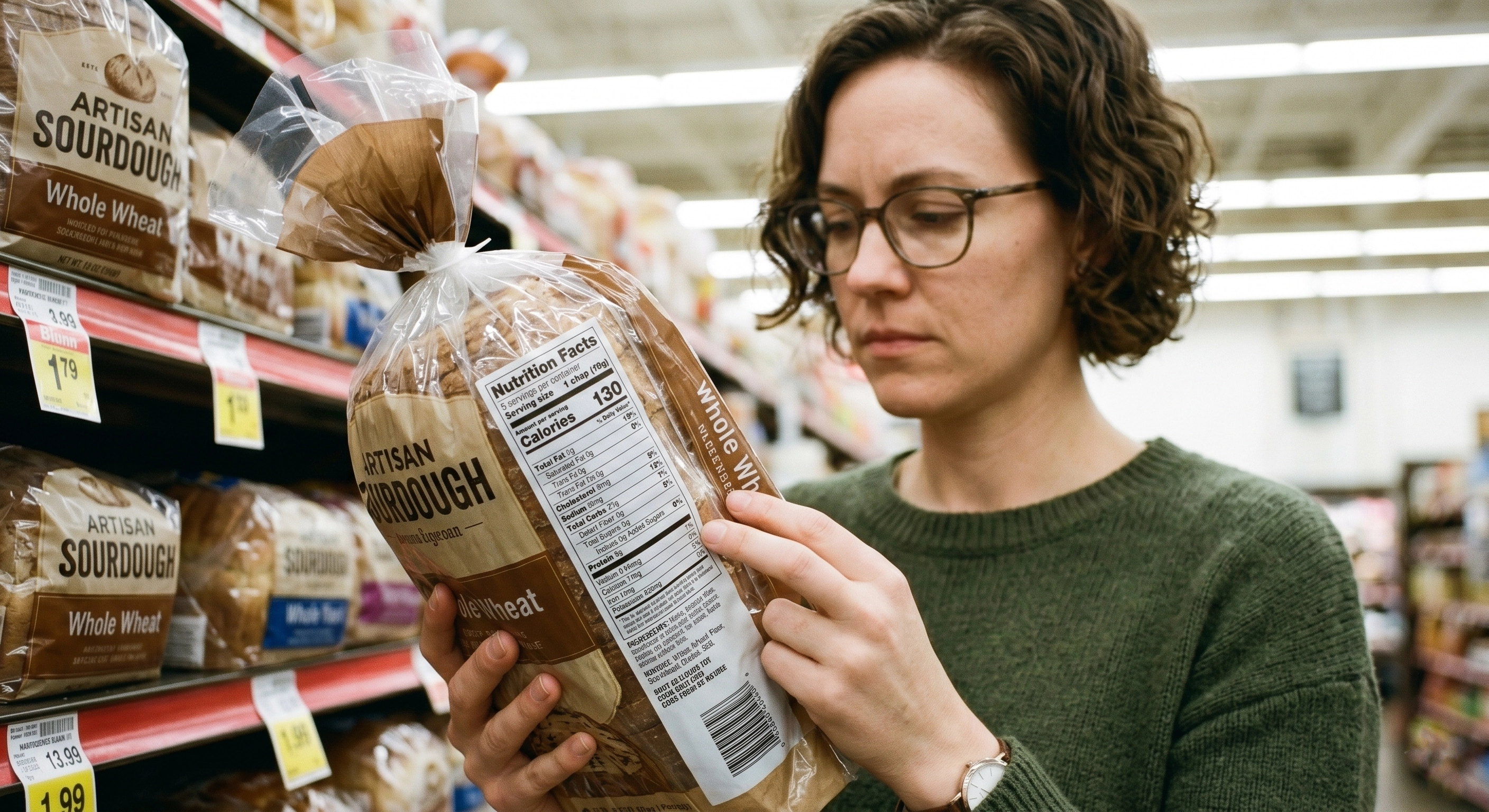
This does not automatically make supermarket sourdough bad. It simply means you should check the label instead of trusting the front of the package.
Look at:
- The first ingredient
- Total carbohydrate per slice
- Fiber per slice
- Added sugar
- Serving size
- Whether it uses whole grain, rye, or seeded flour
“Healthy” Does Not Always Mean Better for Blood Sugar
A café may serve a beautiful slice of artisan sourdough topped with honey, jam, or sweetened cream cheese. It may look healthier than a packaged white loaf, but the blood sugar effect can still be significant.

This is the “health halo” problem. Foods that look natural or expensive can still be carb-heavy.
For blood sugar, the question is not only “Is this food healthy?” It is also: How much carbohydrate am I eating, and what am I eating it with?
Sourdough vs Regular Bread: What Actually Matters?
White Sourdough vs White Sandwich Bread
White sourdough may be a better choice than regular white sandwich bread for some people, especially if it is traditionally fermented. It may be more satisfying and may have a different glucose response.
But if it is made mostly from refined white flour, it is still a refined bread. It may not provide much fiber, and large portions can still raise blood sugar.
Whole Grain Sourdough vs White Sourdough
Whole grain sourdough is usually a better place to start if you are concerned about blood sugar. Whole grains tend to provide more fiber, more texture, and more fullness than refined white flour.
Fiber can support slower digestion and may help make a meal feel more satisfying. That does not mean whole grain sourdough is “free” or safe in unlimited amounts. It still has carbohydrates, but it may be a more balanced choice.
Rye or Seeded Sourdough
Rye sourdough, seeded sourdough, or mixed-grain sourdough may be good options for some people because they are often denser and more filling. Seeds can add texture, fat, protein, and fiber.
Still, the label matters. A bread with seeds on top is not always high in fiber. A rye-colored loaf may not be mostly rye. Always check the ingredient list and nutrition facts when possible.
The 4-Question Sourdough Test
Instead of asking only, “Can diabetics eat sourdough?” use this simple framework.
1. What Flour Is It Made From?
A better sourdough choice often starts with better flour.
Look for words like:
- Whole grain
- Whole wheat
- Rye
- Seeded
- Mixed grain
- Sprouted grain
Be more careful with:
- Enriched wheat flour
- Wheat flour that is not whole wheat
- Sourdough flavor
- Very soft white sourdough
- Bread with added sugar near the top of the ingredient list
The goal is not perfection. The goal is to avoid being fooled by a healthy-sounding label.
2. How Many Carbs Are in One Serving?
For blood sugar, total carbohydrate is important. Do not look only at sugar.
A label may say “1 gram of sugar,” but the bread may still contain 20, 30, or more grams of total carbohydrate per serving. Those starches still matter.
Also pay attention to serving size. One serving may be one small slice, but bakery sourdough slices can be much larger.
A practical habit: compare two or three sourdough brands and look at total carbs and fiber per slice. You may be surprised by the difference.
3. What Are You Eating It With?
Sourdough eaten alone is different from sourdough eaten as part of a balanced meal.

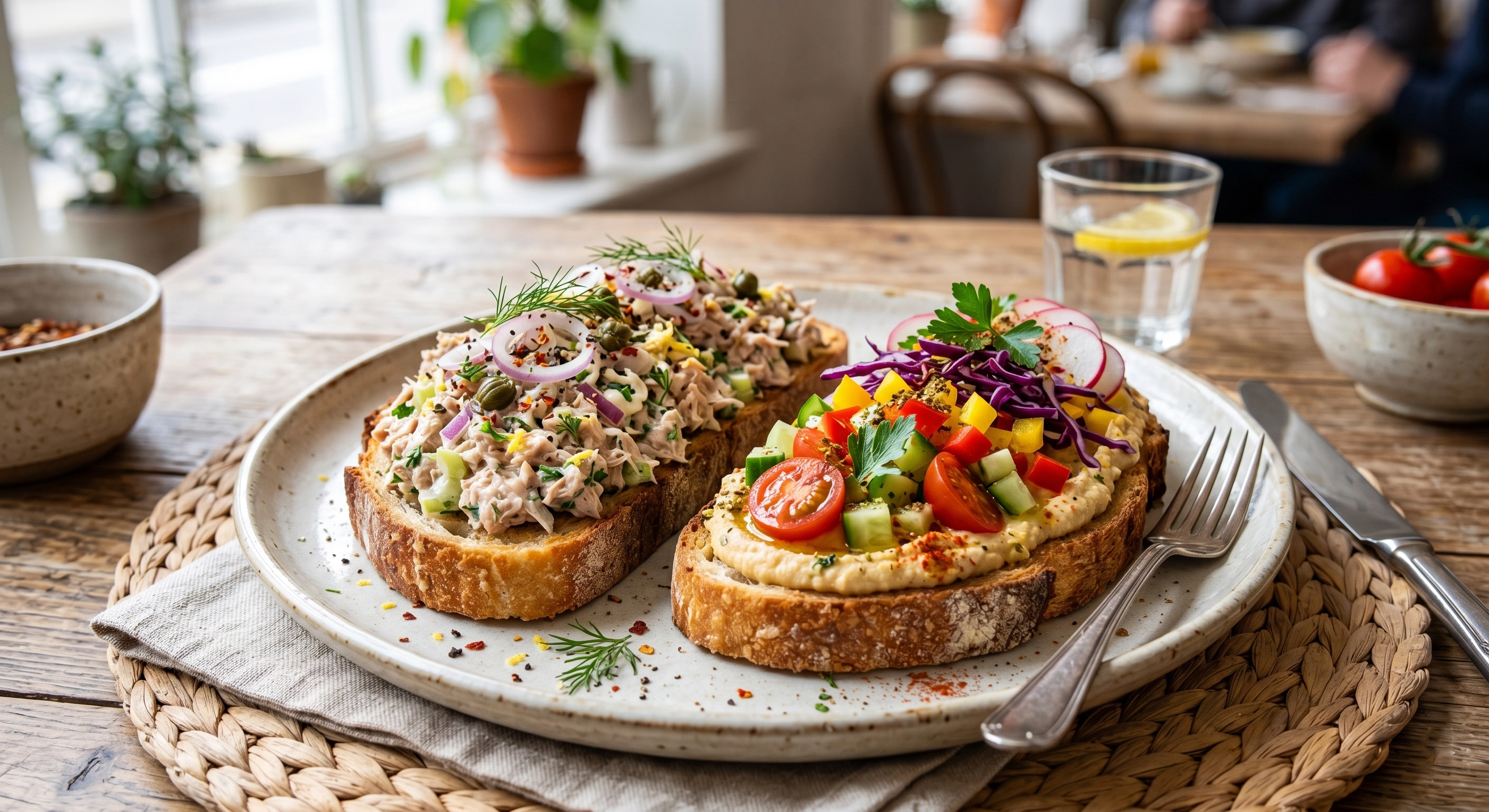
Better pairings may include:
- Eggs
- Tuna
- Chicken
- Turkey
- Avocado
- Hummus
- Cottage cheese
- Nut butter without added sugar
- Leafy greens
- Tomato, cucumber, or other non-starchy vegetables
Less helpful pairings may include:
- Jam
- Honey
- Sweetened spreads
- Sugary coffee drinks
- Fruit juice
- Chips
- Fries
- Sweet desserts after the meal
This does not mean you can never enjoy sweet toppings. It means they change the overall blood sugar load of the meal.
4. How Does Your Own Body Respond?
Two people can eat the same slice of sourdough and have different glucose responses. Sleep, stress, activity, medication, insulin sensitivity, portion size, and the rest of the meal can all make a difference.
If you monitor your blood glucose, you may learn useful patterns by observing how different breads affect you. If your readings are often higher or lower than expected, it is best to discuss those patterns with your healthcare professional.
Practical Ways to Eat Sourdough More Blood-Sugar-Consciously
Choose a Smaller or Thinner Slice
A thick café slice can be much larger than a regular slice of packaged bread. If the slice is huge, one piece may be enough.
You can also try open-faced toast instead of a two-slice sandwich. This keeps the sourdough experience while reducing the total bread portion.
Build a Balanced Plate
A more balanced sourdough meal might look like this:
- One slice of whole grain or seeded sourdough
- Scrambled eggs or tuna
- Avocado or olive oil
- Tomato, spinach, cucumber, or salad
- Water, tea, or unsweetened coffee
This type of meal is usually more blood-sugar-conscious than two large slices of white sourdough with jam and a sweet drink.
Watch the “Bread Stack” Effect
Sometimes sourdough is not the only carb in the meal.
For example, a lunch might include:
- Sourdough bread
- Potato soup
- Chips
- Sweetened iced tea
- A cookie
Each item may seem normal on its own, but together they can create a high-carbohydrate meal. This is what I call the “bread stack” effect.
If you want sourdough, consider what else is on the plate. You may choose salad instead of chips, or water instead of a sweet drink.
Real-Life Examples
Breakfast Toast
Less balanced option:
Two thick slices of white sourdough with jam and a sweet coffee.
More balanced option:
One slice of whole grain sourdough with eggs, avocado, and tomato.
The second meal still includes bread, but it adds protein, fat, and vegetables. Many people may find this more filling and more stable for energy.
Lunch Sandwich
Less balanced option:
A large sourdough sandwich with chips and soda.
More balanced option:
Open-faced sourdough toast with chicken, tuna, hummus, or cottage cheese, plus a side salad.
You still get the flavor and texture of sourdough, but the meal is less centered on bread alone.
Café Sourdough
Imagine ordering artisan sourdough toast at a café. It comes as one giant slice, topped with sweet sauce and served with a flavored latte.
It may look like a wholesome choice, but the portion and toppings matter. A more blood-sugar-conscious approach could be choosing savory toppings, eating half, sharing the plate, or pairing it with protein.
Common Mistakes and Misconceptions
Mistake 1: Thinking Sourdough Is Carb-Free
Sourdough is not carb-free. It is still made from flour, and flour-based foods usually contain starch.
Mistake 2: Looking Only at Sugar
A bread can have low sugar but still be high in total carbohydrates. For blood sugar, starch matters too.
Mistake 3: Assuming All Sourdough Is Traditional
Some sourdough products are made mainly for flavor. They may not have the same long fermentation process as traditional sourdough.
Mistake 4: Eating More Because It Sounds Healthy
A healthier bread can still become too much if the portion is large. “Better choice” does not mean unlimited.
Mistake 5: Ignoring the Rest of the Meal
Bread with eggs and vegetables is different from bread with jam and juice. The full meal matters more than the bread alone.
When Sourdough May Not Be the Best Choice
Sourdough may not suit everyone.
You may need to be more cautious if:
- You notice repeated blood sugar spikes after eating it
- You are following a lower-carb plan under professional guidance
- You use insulin or glucose-lowering medication and need specific carb targets
- You have celiac disease or need gluten-free foods
- Bread tends to trigger overeating or cravings for you
- Your healthcare professional has given you a specific meal plan
This does not mean sourdough is “bad.” It means your personal context matters.
When to Talk to a Healthcare Professional
Talk with a healthcare professional or registered dietitian if you have diabetes and feel unsure about how much bread or carbohydrate fits your needs.
This is especially important if you:
- Use insulin
- Take medication that can cause low blood sugar
- Are pregnant or have gestational diabetes
- Have kidney disease or another medical condition
- Are trying a low-carb diet
- See repeated high or low glucose readings after meals
- Feel confused about carb counting
A general article can give helpful guidance, but it cannot replace personal advice.
Practical Takeaway
Sourdough bread can be a reasonable option for some people with diabetes or blood sugar concerns, especially when it is made with whole grain, rye, or seeded flour and eaten in a sensible portion.
But sourdough is not magic. It still contains carbohydrates, and it can still raise blood sugar.
A simple rule to remember:
Better sourdough choice = higher-fiber bread + reasonable portion + balanced toppings + awareness of your own glucose response.
If you enjoy sourdough, you may not need to avoid it completely. But it is worth treating it like a carbohydrate food, not a blood-sugar-free food.
FAQ
Is sourdough bread good for diabetics?
Sourdough bread may be a good option for some people with diabetes when chosen carefully. Whole grain, rye, or seeded sourdough may be more filling than refined white bread. However, sourdough still contains carbohydrates, so portion size and meal balance matter.
Does sourdough bread spike blood sugar?
It can. Sourdough may cause a gentler blood sugar response than some regular breads for some people, but it can still raise blood glucose. The effect depends on the flour, serving size, toppings, and individual response.
Is sourdough bread low carb?
Most sourdough bread is not low carb. Unless it is specifically made as a low-carb product, sourdough usually contains flour and starch.
Is white sourdough okay for diabetes?
White sourdough may be better than regular white bread for some people, but it is still made with refined flour if it is not whole grain. A whole grain or seeded sourdough is often a better place to start.
What type of sourdough is best for blood sugar?
Whole grain, rye, seeded, or higher-fiber sourdough is usually a more blood-sugar-conscious choice than soft white sourdough. The best option depends on the label, portion size, and your personal response.
How many slices of sourdough can a diabetic eat?
There is no universal number that fits everyone. It depends on your carbohydrate needs, medication, activity level, and overall meal plan. If you have diabetes, your healthcare professional or dietitian can help you set a suitable target.
Is supermarket sourdough healthy?
Some supermarket sourdough can be a reasonable choice, but not all products are the same. Check the ingredient list, total carbohydrates, fiber, added sugar, and serving size.
Is rye sourdough better than wheat sourdough?
Rye sourdough may be more filling for some people and may have a different digestion profile, but it is not automatically better for everyone. Check the label and watch your portion.
Can diabetics eat sourdough toast for breakfast?
Some people with diabetes may be able to include sourdough toast as part of a balanced breakfast. A more blood-sugar-conscious option might be one slice of whole grain sourdough with eggs, avocado, and vegetables instead of several slices with jam or sweetened drinks.
You should also read:

Can Skinny People Get Diabetes? What Thin and Normal-Weight People Should Know
Many people think of diabetes as something that only happens to people who are overweight. So if you are thin, active-looking, or have always had a smaller body, it can feel confusing to even ask the question: can skinny people get diabetes? The simple answer…
Continue reading...
The "Triple-Digit Fear": Is 100-120 mg/dL Good Enough for Diabetes Remission?
Being newly diagnosed with type 2 diabetes can feel like you have been dropped into a completely foreign country without a map. Suddenly, you are analyzing every food label for hidden carbohydrates, scheduling brisk walks after your meals, cutting out sodas, and relying on a…
Continue reading...
Is Feeling Sleepy After Eating a Sign of Diabetes? What It May Mean
Feeling sleepy after eating can be frustrating, especially when it happens in the middle of the day. You eat lunch, return to work, and suddenly your body feels heavy. Your eyes want to close. Your focus disappears. Then a worrying thought appears: “Is feeling sleepy…
Continue reading...