Feeling Sleepy After Meals? Why 10 Minutes of Movement May Be Worth Trying

Feeling sleepy after meals is easy to dismiss.
A heavy lunch makes the afternoon feel slower. Dinner ends, and the couch suddenly looks much more inviting. Even a small meal or a simple drink can sometimes leave the body feeling less alert than expected.
For many people, this is just an occasional part of life. But when someone starts paying closer attention to blood sugar, that after-meal slump can feel different. It becomes a signal worth noticing.
It does not always mean something is wrong. Feeling tired after eating can be related to meal size, sleep, stress, digestion, hydration, food choices, or simply sitting still for too long. But it can also become part of a bigger pattern: certain meals leave the body feeling heavy, sleepy, foggy, or hungry again too soon.
That is where a very simple habit can become surprisingly useful: moving gently for about 5 to 10 minutes after eating.
Not a full workout. Not an intense exercise session. Just movement.
A short walk after dinner. Marching in place in the kitchen. A few gentle squats. Dancing to two songs. Walking around the house before sitting back down.
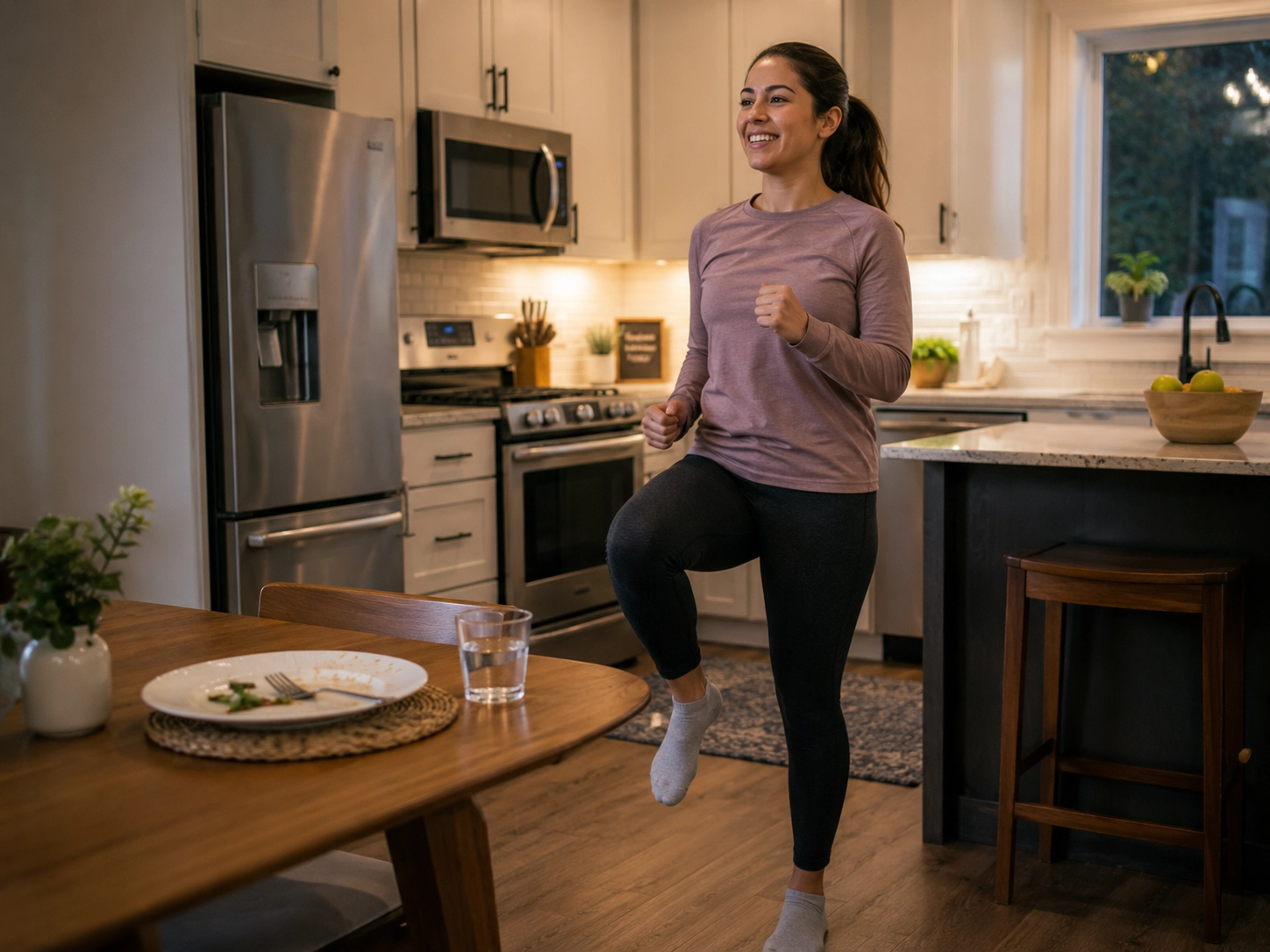
For some people, this small routine may help meals feel less heavy and make the rest of the day feel more manageable. It is not a cure, and it is not a replacement for medical care. But as a practical blood sugar-supportive habit, it is simple enough to take seriously.
Before going further, a quick health note: this article is for general education only. It is not medical advice. People with diabetes, prediabetes, pregnancy, medication use, a history of low blood sugar, heart conditions, dizziness, or other medical concerns should speak with a qualified healthcare professional before making major diet, fasting, supplement, or exercise changes.
Why Post-Meal Sleepiness Gets Your Attention
The after-meal slump can feel confusing because it is not always dramatic.
It may show up as heavy eyes after lunch, low motivation after dinner, difficulty focusing at work, or the feeling that the body wants to shut down shortly after eating. Some people also notice cravings later, especially for something sweet or caffeinated.
That does not mean post-meal sleepiness should be treated as a diagnosis. It should not be used to self-diagnose diabetes, high blood sugar, or low blood sugar. But it can be a useful reason to observe daily patterns more carefully.
For example:
Does sleepiness happen after every meal or only certain meals?
Does it happen more after large portions?
Does it feel worse after refined carbs or sugary drinks?
Does it improve when the meal includes protein, fiber, and vegetables?
Does a short walk after eating change how the body feels?
Does poor sleep make the same meal feel worse the next day?
These questions are not about fear. They are about awareness.
For context, the CDC classifies an A1C below 5.7% as normal, 5.7% to 6.4% as prediabetes, and 6.5% or higher as diabetes. A1C reflects average blood sugar over time, but it does not show every post-meal rise and fall someone may experience during the day.
That is why daily signals still matter. A lab result gives one kind of information. The way the body feels after meals gives another.
Why Moving After Meals Makes Sense
The idea behind post-meal movement is simple: muscles use energy when they move.
After eating, the body breaks food down into nutrients. Carbohydrates are broken down into glucose, which enters the bloodstream and can be used for energy. When muscles contract during activity, they can take up and use glucose. Physical activity can also make the body more sensitive to insulin, although the effect varies by person, activity, meal, medication use, and overall health.
This does not mean a short walk will “fix” blood sugar. It does not mean everyone will feel the same effect. It also does not mean movement should be used to punish the body for eating.
A better way to think about it is this:
Eating gives the body energy. Gentle movement gives the body a chance to use some of that energy instead of going straight from the table to sitting still.
That small transition can matter.
Research has also looked at this timing. A 2023 systematic review and meta-analysis found that walking or exercise after meals can have a beneficial effect on post-meal glucose response compared with not exercising, and that walking soon after meals may be more helpful than waiting longer.
For everyday life, the takeaway is not complicated: moving after meals is not just a social media trick. There is a reasonable body-based explanation behind why it may help some people feel better after eating.
It Does Not Have to Look Like Exercise
One reason this habit is practical is that it does not need to look like a formal workout.
Many people hear “exercise” and immediately think of gym clothes, sweating, long workouts, or a strict routine. But post-meal movement can be much simpler than that.
After breakfast, it might mean walking around the kitchen while cleaning up.
After lunch, it might mean taking a slow lap around the office or home before going back to the desk.
After dinner, it might mean a relaxed 10-minute walk with a partner, child, friend, or dog.
On a rainy day, it might mean marching in place indoors.
On a tired day, it might mean gentle movement while listening to music.
The goal is not to burn off the meal. The goal is to avoid becoming completely still immediately after eating.
That is an important difference.
When movement feels like punishment, it becomes harder to maintain. When it feels like support, it becomes easier to repeat.
What 10 Minutes Can Look Like in Real Life
A 10-minute post-meal routine can be adjusted to fit different lifestyles.
After Breakfast
Morning movement does not need to be complicated. It could be walking around the house, tidying the kitchen, watering plants, folding laundry while standing, or marching in place for a few minutes.
For someone who feels sleepy after breakfast or coffee, this can be a gentle way to notice whether movement changes morning energy.
After Lunch
Lunch is often where the slump becomes most obvious.
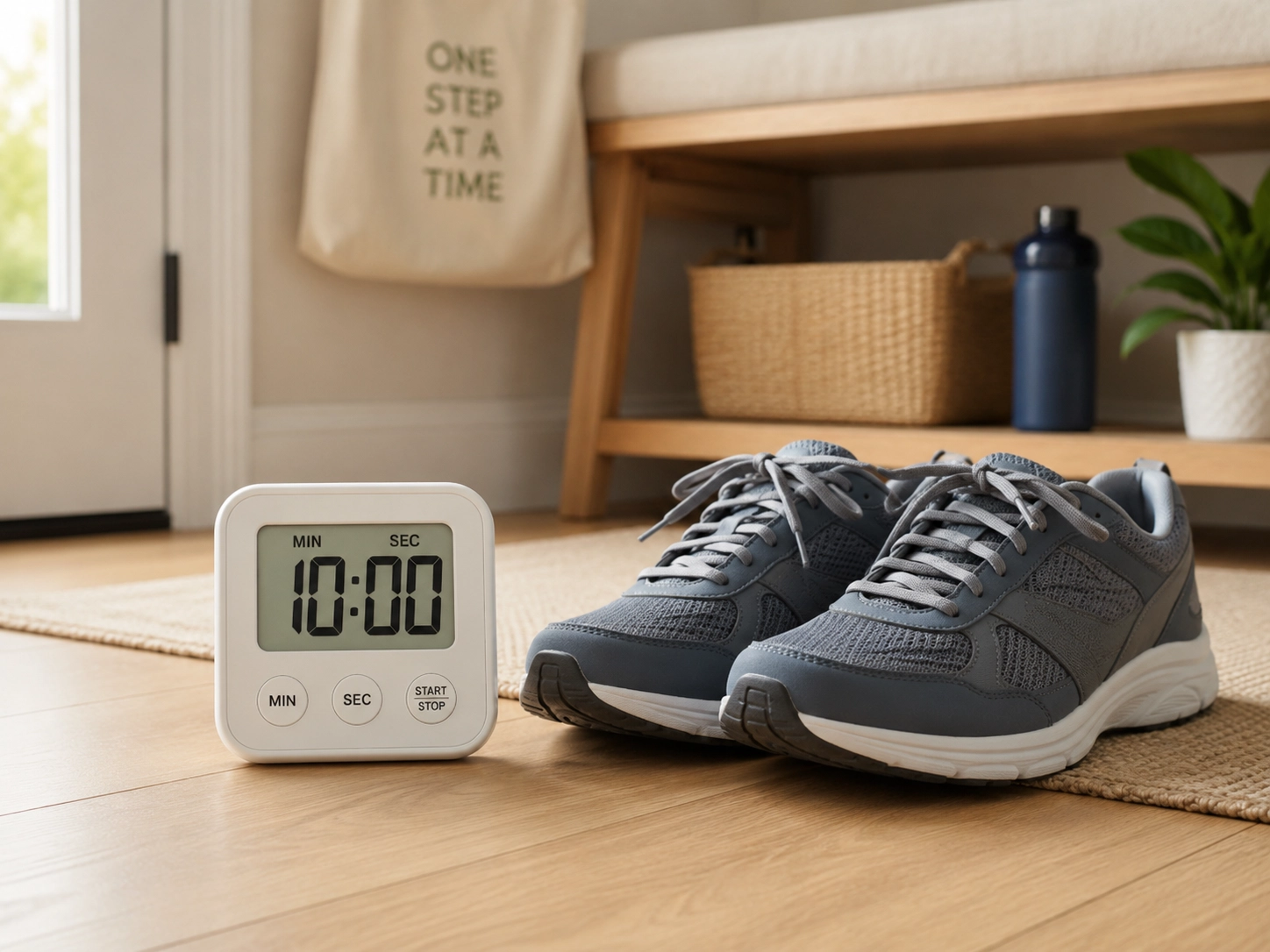
A person working from home might finish eating, set a 10-minute timer, and walk around the apartment before returning to the laptop. Someone at an office might walk a hallway, take the stairs slowly, or go outside for a short lap.
This is not about turning lunch into a workout. It is about creating a break between eating and sitting for several more hours.
After Dinner
Dinner may be the easiest meal for building a routine because it can become part of the evening.
A short walk after dinner can feel calming. It can also create space between the meal and the couch, phone, or TV. When done with another person, it may feel less like a health task and more like a small daily ritual.
Even if outdoor walking is not possible, light indoor movement can still help break the habit of sitting immediately.
Food Still Matters, But Carbs Do Not Need to Become the Enemy
Post-meal movement can be helpful, but it does not make food choices irrelevant.
At the same time, blood sugar-friendly eating does not have to mean fearing every carbohydrate. The type of carbohydrate, portion size, and what the food is eaten with can all change how a meal feels.
Harvard’s Nutrition Source explains that high-fiber foods tend to slow digestion and are associated with a more gradual rise in blood sugar compared with quickly digested carbohydrates.
In everyday meals, this may mean:
Whole-grain toast with eggs may feel steadier than white toast alone.
Rice with fish, tofu, beans, or vegetables may feel different from a large bowl of rice by itself.
Pasta with protein and vegetables may feel different from plain pasta.
Oatmeal with nuts or Greek yogurt may feel different from sweet cereal.
Fruit with protein or fat may feel different from fruit juice.
The point is not perfection. The point is building meals that are more satisfying and observing how the body responds.

A practical plate often includes protein, fiber-rich foods, vegetables or fruit, and a carbohydrate portion that fits the person’s needs and goals. That kind of meal, followed by light movement, may feel steadier than a meal that is quickly eaten and followed by sitting still.
A Simple One-Week Experiment
For anyone curious about post-meal movement, the best starting point is not a complicated plan.
Start with one meal.
Choose the meal that usually causes the most sleepiness or heaviness. For many people, that is lunch or dinner.
For one week, try this:
Eat as usual.
Wait a few minutes if needed.
Move gently for 5 to 10 minutes.
Notice how the body feels afterward.
The movement can be walking, marching, dancing, tidying, slow step-ups, or simply moving around the home.
The most useful part is observation.
Notice:
Is the after-meal slump less noticeable?
Is it easier to return to work?
Are cravings different later?
Does dinner feel better when followed by a walk?
Does the habit feel easy enough to repeat?
Which meals still feel heavy even with movement?
This is not about obsessing over every meal. It is about learning patterns.
Blood sugar awareness becomes more useful when it is connected to real life: meals, energy, sleep, stress, movement, cravings, and routines.
When to Be Careful
Gentle walking after meals may sound harmless, but some people need extra caution.
This is especially true for people who take insulin or other diabetes medications that can lower blood sugar. The NHS notes that low blood sugar most commonly affects people with diabetes who take insulin or certain diabetes medicines, and symptoms can include dizziness, sweating, shaking, feeling tired or weak, blurred vision, or confusion.
People with diabetes who use insulin or blood sugar-lowering medication should follow their healthcare team’s guidance about exercise, glucose monitoring, food, and medication timing.
It is also important to be careful with movement if there is pregnancy, heart disease, balance problems, dizziness, fainting, foot problems, neuropathy, pain, or any medical condition that affects safe activity.
If movement causes chest pain, severe shortness of breath, faintness, confusion, shakiness, sweating, or unusual weakness, stop and seek appropriate medical help.
Post-meal movement is best understood as a supportive habit, not a medical treatment.
What This Habit Can and Cannot Do
A short walk or gentle movement after meals may help some people feel less sluggish. It may support blood sugar awareness. It may reduce long periods of sitting. It may make it easier to notice which meals feel steady and which meals feel heavy.
But it cannot cure diabetes.
It cannot reverse prediabetes by itself.
It cannot replace medication.
It cannot replace medical care.
It cannot guarantee a specific glucose result.
This distinction matters because simple habits are useful, but exaggerated promises are not.
The value of post-meal movement is that it is small, realistic, and repeatable. It gives people something practical to try without turning daily life into a strict health project.
Sometimes the most helpful habits are not dramatic. They are ordinary things done consistently: walking after meals, eating more fiber, sleeping better, drinking enough water, managing stress, and noticing patterns.
Practical Takeaway
Feeling sleepy after meals does not always mean there is a blood sugar problem, but it can be a useful signal to pay attention to.
A simple experiment may help:
Choose one meal a day.
Move gently for 5 to 10 minutes afterward.
Walk, march, clean the kitchen, dance, or move around the home.
Notice energy, cravings, focus, and sleepiness afterward.
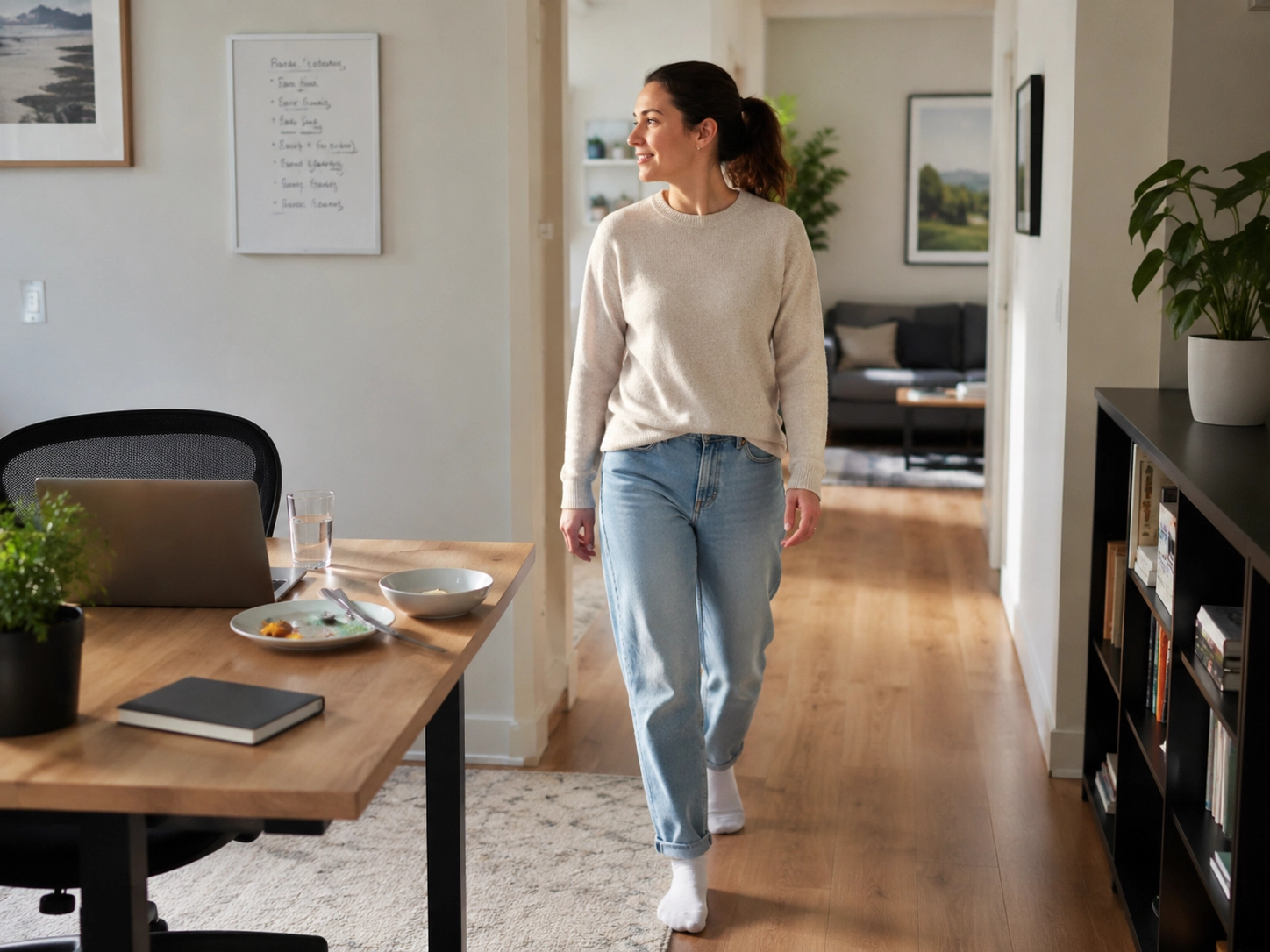
Do not treat movement as punishment for eating. Treat it as support.
For some people, this small habit may make meals feel less heavy and help build better blood sugar awareness over time.
FAQ
Can walking after meals help with blood sugar?
Some research suggests that walking or light exercise after meals may help reduce post-meal glucose rises compared with sitting still. The effect can vary depending on the person, meal, movement type, medication use, and overall health.
Is 10 minutes of movement enough?
Ten minutes may be a useful starting point, especially for someone who usually sits immediately after meals. It may not be enough for every person or every situation, but it is realistic and easy to repeat.
Does the movement have to be walking?
No. Walking is simple and well-studied, but other gentle movements may also help reduce sitting time after meals. Marching in place, dancing, tidying the kitchen, walking around the home, or doing light bodyweight movements can all be practical options if they feel safe.
Does feeling sleepy after meals mean blood sugar is high?
Not always. Post-meal sleepiness can have many causes, including meal size, food choices, sleep quality, stress, hydration, digestion, and individual metabolism. If sleepiness is frequent, severe, or comes with symptoms like dizziness, shakiness, sweating, confusion, or weakness, it is worth discussing with a healthcare professional.
Should people with prediabetes move after every meal?
Not necessarily. A realistic starting point is one meal per day. People with prediabetes should speak with a qualified healthcare professional before making major lifestyle changes, especially if they have other health conditions or take medication.
Can post-meal movement replace medication or medical care?
No. Post-meal movement is a supportive lifestyle habit. It should not replace prescribed medication, medical appointments, lab testing, or individualized medical guidance.
Sources and Further Reading
You should also read:
Why Foods Suddenly Taste "Too Sweet" After a Diabetes Diagnosis
"Do you like food or drinks that are too sweet? Or just a little sweet?" It sounds like a simple, almost innocent question you might casually ask a friend at a coffee shop. But when you are living with diabetes, this question carries a surprising…
Continue reading...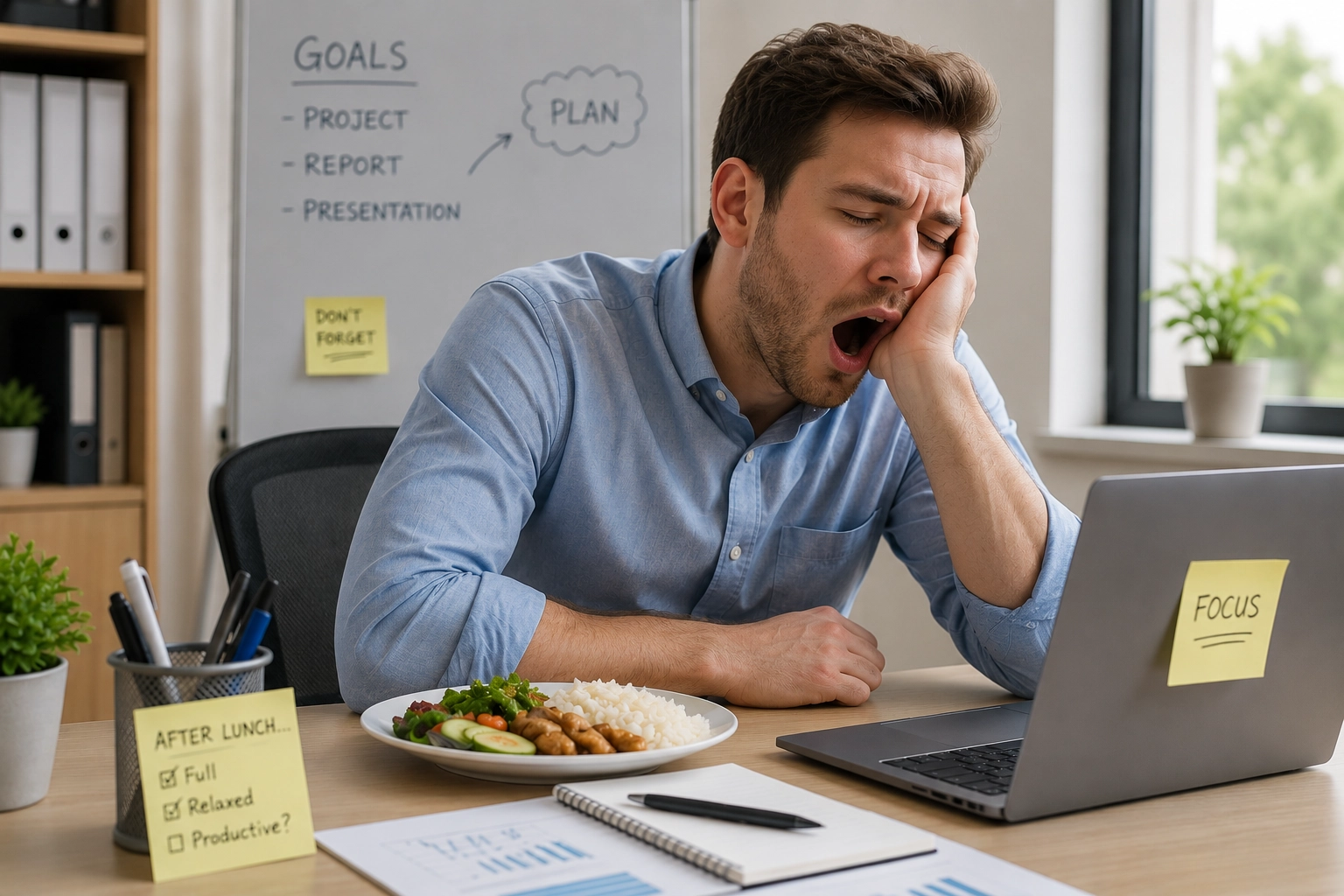
Is Feeling Sleepy After Eating a Sign of Diabetes? What It May Mean
Feeling sleepy after eating can be frustrating, especially when it happens in the middle of the day. You eat lunch, return to work, and suddenly your body feels heavy. Your eyes want to close. Your focus disappears. Then a worrying thought appears: “Is feeling sleepy…
Continue reading...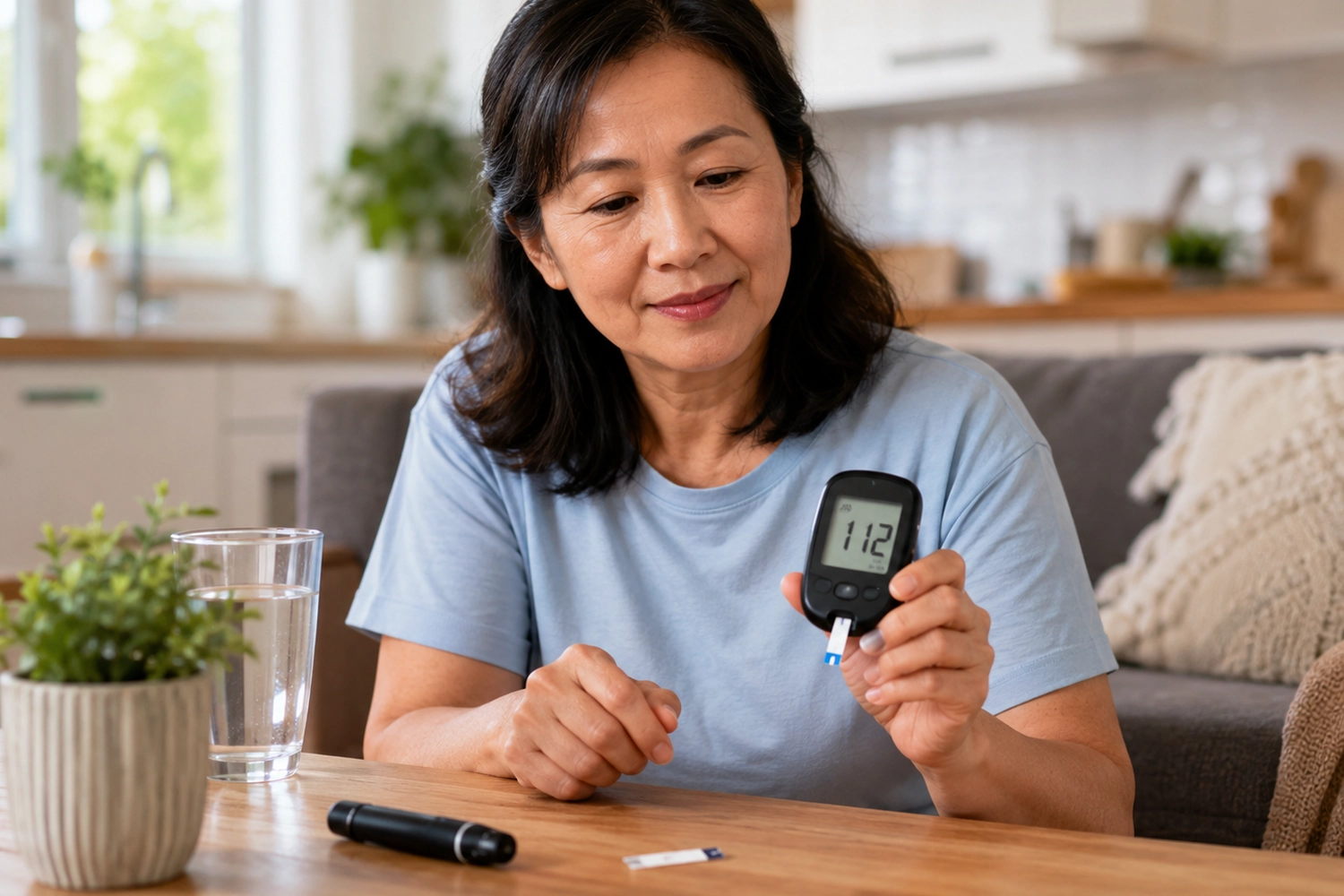
Normal Blood Sugar Range Chart: Fasting, After Meals, and A1C Explained
Checking a blood sugar number can feel simple at first. You see a reading, compare it with a chart, and expect a clear answer. But real life is not always that neat. A fasting blood sugar of 103 mg/dL may make one person anxious. A…
Continue reading...