Can You Eat Watermelon with Diabetes? A Practical Guide Without Food Fear

Watermelon is one of those foods that can feel confusing if you are watching your blood sugar. It is fresh, light, and mostly water. At the same time, it tastes very sweet. So it is natural to wonder: can diabetics eat watermelon, or is it something to avoid?
The practical answer is: many people with diabetes can include watermelon in their diet, but portion size and meal context matter. Watermelon is not a “free food,” but it also does not need to be treated as forbidden.
Health disclaimer: This article is for general educational purposes only and is not medical advice. Diabetes management is personal, especially if you use insulin or glucose-lowering medication. Always follow guidance from your healthcare provider.
A small bowl of fresh watermelon after a balanced meal is very different from drinking a large watermelon smoothie or eating half a watermelon while watching TV. The fruit itself is only one part of the story. How much you eat, what else you eat with it, and how your own body responds all matter.
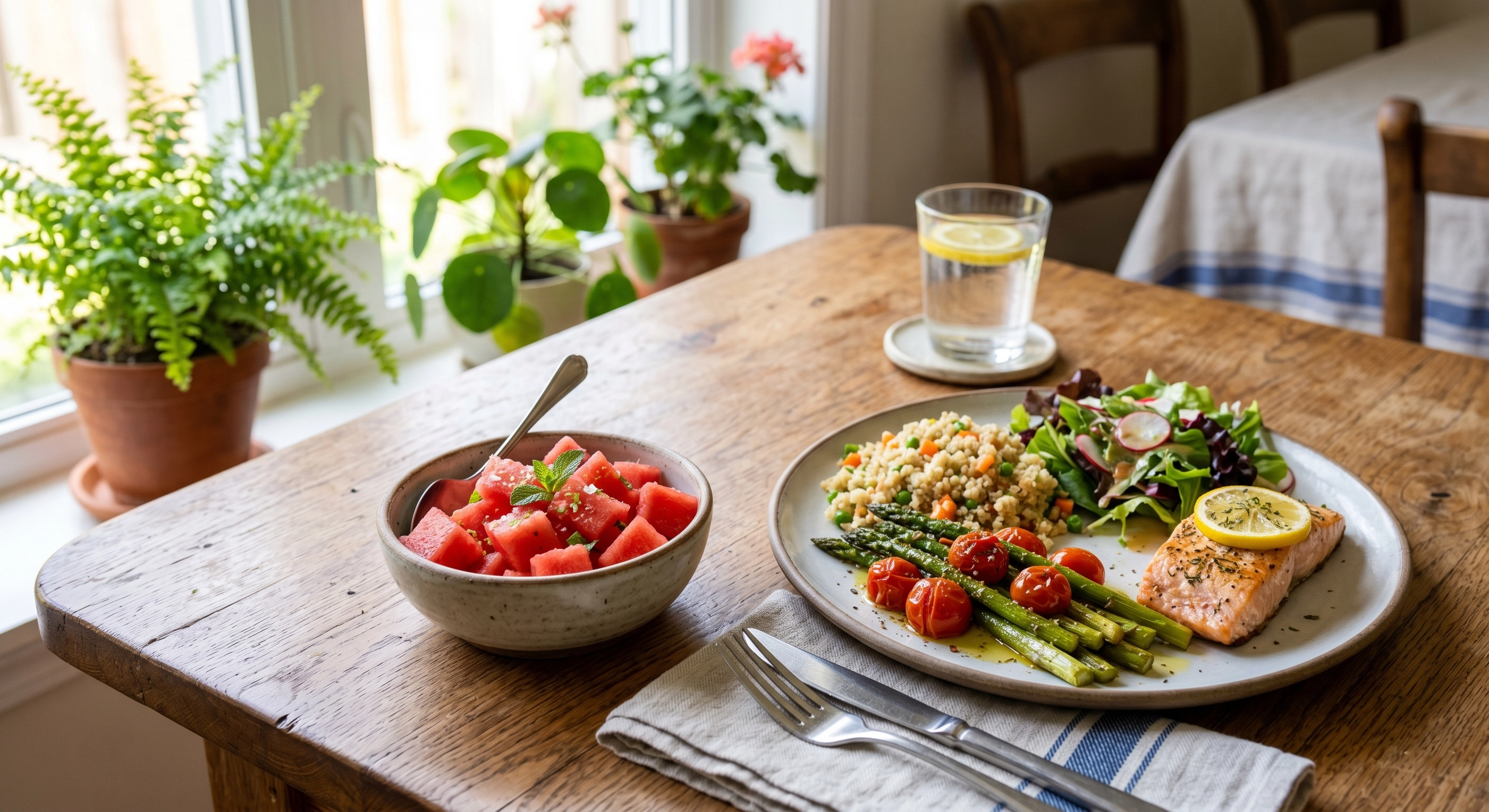
This guide will help you understand watermelon in a realistic way, without fear-based food rules or exaggerated health claims.
Can Diabetics Eat Watermelon?
The simple answer
Yes, many people with diabetes can eat watermelon in moderate portions. It can fit into a balanced eating pattern when the serving size is reasonable and the rest of the meal is considered.
However, watermelon still contains carbohydrates from natural sugars. That means it can affect blood sugar, especially if you eat a large amount or drink it as juice.
The goal is not to label watermelon as “good” or “bad.” A more useful question is:
How can watermelon fit into my day without pushing my overall carbohydrate intake too high?
For some people, a small portion may work well. Others may notice a stronger blood sugar response. This is why personal monitoring, portion awareness, and professional guidance are important.
Why watermelon feels confusing
Watermelon tastes sweet, so many people assume it must be bad for blood sugar. But watermelon also has a high water content, which means a typical serving may contain less carbohydrate than a dense dessert or dried fruit.
Still, it is easy to overeat. Because watermelon feels light and refreshing, a person may eat several cups without realizing it. This is especially common at summer meals, picnics, or family gatherings.
So the issue is usually not one small serving of watermelon. The issue is often the amount.
Why Portion Size Matters More Than the Fruit Label
Watermelon still contains carbohydrates
Carbohydrates are the main nutrient that affects blood sugar after eating. Fruit contains natural carbohydrates, so people with diabetes often need to think about fruit as part of their overall meal or snack plan.
This does not mean fruit is unhealthy. Fruit can provide water, fiber, vitamins, minerals, and enjoyment. But for blood sugar management, the amount still matters.
A small bowl of watermelon may be reasonable for many people. A huge plate may be too much, especially if it is eaten along with rice, bread, corn, dessert, or sweet drinks.
A small bowl is different from a large plate
Imagine two situations.
In the first situation, you eat a small bowl of diced watermelon after a lunch that includes grilled chicken and vegetables. You enjoy it slowly, and it replaces dessert.
In the second situation, you eat a large plate of watermelon after a meal that already included bread, rice, and a sweet drink. Later, you go back for more because it feels “just like water.”
Both situations include watermelon, but they are not the same for blood sugar.
This is why a simple “yes” or “no” answer is not enough. Watermelon can fit better when it is portioned, eaten with awareness, and balanced with the rest of the meal.
What About Watermelon’s Glycemic Index?
High GI does not tell the whole story
You may have heard that watermelon has a high glycemic index. Glycemic index, or GI, is a tool that estimates how quickly a carbohydrate-containing food may raise blood sugar compared with a reference food.
That sounds useful, but it does not tell the whole story.
In real life, blood sugar response depends on many things, including:
- How much watermelon you eat
- Whether you eat it alone or with other foods
- Your total carbohydrate intake at the meal
- Your activity level
- Your medication plan, if any
- Your individual digestion and insulin response
This is why two people can eat the same fruit and have different blood sugar patterns.
Glycemic load may be more practical
Glycemic load considers both the type of carbohydrate and the amount eaten. This can be more practical for watery fruits like watermelon because a normal portion may contain less total carbohydrate than people expect.
However, this does not mean watermelon has no effect on blood sugar. It simply means portion size is important. A small bowl and a very large bowl can have very different effects.
A Practical Portion Guide for Watermelon
Start with a measured portion
A practical starting point for many people is around ¾ to 1 cup of diced watermelon, depending on their meal plan, glucose goals, and personal response.
This is not a medical rule. It is a simple way to avoid guessing. If you usually eat watermelon from a large shared plate, try putting a portion into a bowl first. This makes the serving more visible.
If you use carbohydrate counting, follow the guidance from your healthcare professional or diabetes educator. If you do not count carbohydrates, a measured bowl can still help you avoid accidental overeating.
Avoid eating straight from a large bowl
Watermelon is easy to keep eating because it is juicy and refreshing. This is especially true when it is already cut into cubes.
Eating straight from a large container makes it hard to know how much you have eaten. A few bites can turn into several cups.
A better habit is simple: serve yourself a portion, then put the rest away. This reduces mindless eating without making the fruit feel forbidden.
Consider your full meal
Watermelon is not eaten in isolation. Your blood sugar response depends on the whole meal.
For example, if your lunch includes rice, noodles, bread, potatoes, corn, or dessert, watermelon adds more carbohydrates on top. In that case, you may want a smaller portion or you may choose watermelon instead of another carbohydrate.
If your meal is mostly protein, non-starchy vegetables, and healthy fats, a small portion of watermelon may fit more easily.
Think of watermelon as part of the plate, not an extra that does not count.
Better Ways to Eat Watermelon for Blood Sugar Balance
Pair it with protein or healthy fat
Some people may find that fruit feels more satisfying when paired with protein or healthy fat. This does not guarantee a perfect blood sugar response, but it can support a more balanced snack.
Examples include:
- A small bowl of watermelon with plain Greek yogurt
- Watermelon after eggs or a protein-rich breakfast
- Watermelon with a small handful of nuts
- Watermelon after a balanced meal instead of as a stand-alone snack
The goal is not to “cancel out” the sugar. The goal is to avoid eating sweet fruit alone when you are very hungry and likely to overeat.
Eat it after a balanced meal instead of alone when very hungry
If you are very hungry and eat watermelon by itself, you may eat quickly and want more soon after. Because watermelon is light, it may not feel filling enough as a complete snack for everyone.
Eating a small portion after a balanced meal may feel more satisfying. It can also help watermelon replace a dessert rather than being added on top of an already high-carbohydrate meal.
For example, after dinner, a small bowl of watermelon may be a better choice than cake, cookies, or sweetened ice cream for some people. But the portion still matters.
Choose fresh watermelon over juice
Fresh watermelon is usually easier to portion because you can see and chew it. Watermelon juice is different.
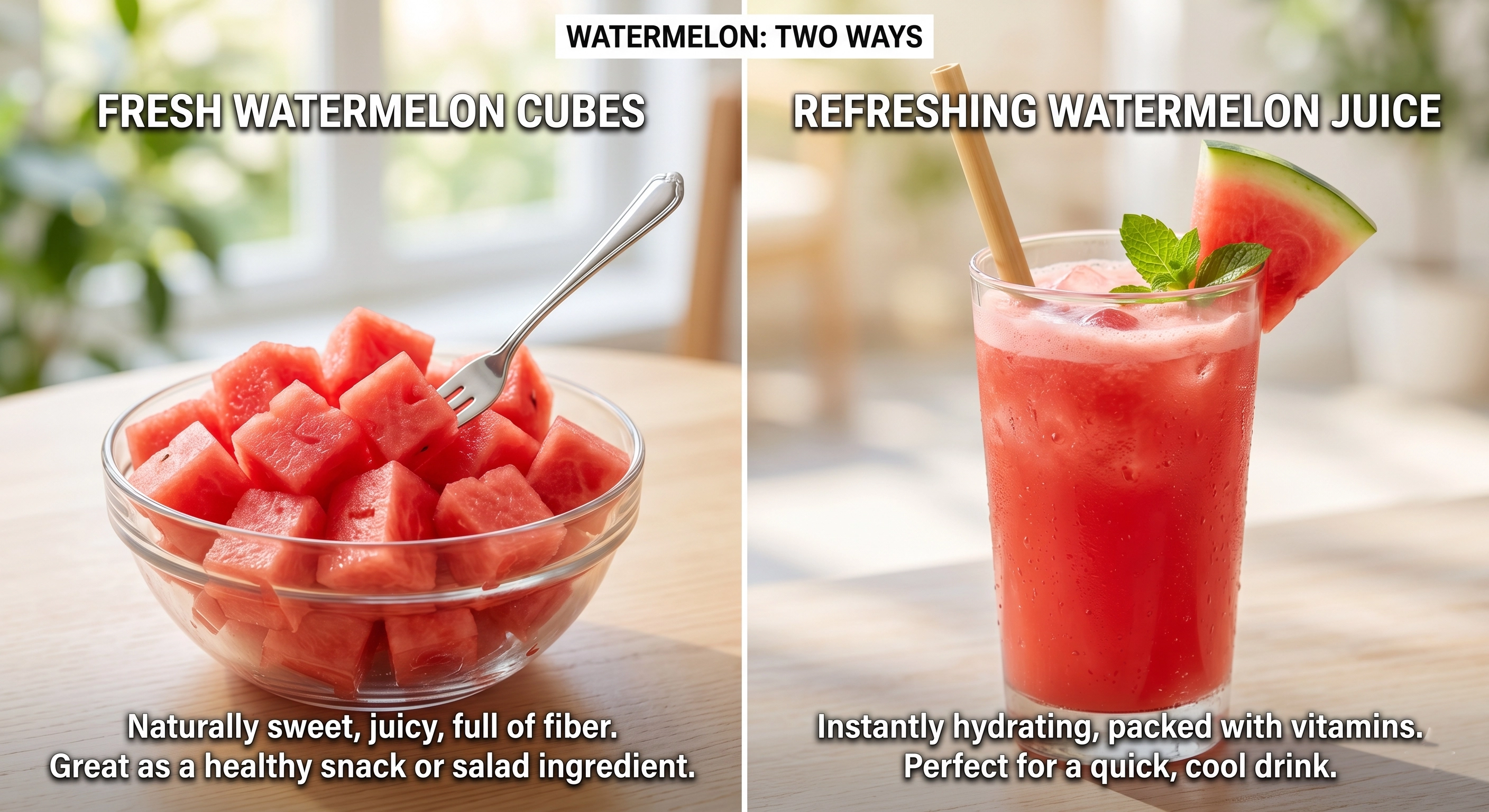
A glass of watermelon juice may contain several cups of blended fruit. It is also easy to drink quickly. If sugar or syrup is added, the carbohydrate load can increase even more.
Smoothies can have the same issue. A homemade watermelon smoothie may sound healthy, but if it contains several cups of fruit, honey, fruit juice, or sweetened yogurt, it can become much more concentrated than a small bowl of fresh watermelon.
For blood sugar awareness, fresh and measured is usually a better starting point than juiced or blended.
When Watermelon May Be Less Ideal
When the portion is very large
Watermelon feels light, but large portions can still add up. A big plate at a barbecue or a large bowl at night may contain much more carbohydrate than expected.
If you often eat watermelon until you feel very full, try reducing the portion and adding something more filling, such as protein or healthy fat.
When it is turned into dessert
Watermelon itself is one thing. Watermelon desserts are another.
Be more cautious with:
- Watermelon juice
- Watermelon smoothies with added sweeteners
- Watermelon sorbet
- Watermelon popsicles with sugar
- Fruit bowls with syrup
- Watermelon mixed with sweetened condensed milk or dessert toppings
These foods may be easier to overconsume and may contain added sugars.
When your blood sugar is already running high
If your blood sugar is already higher than your usual target range, you may want to be more mindful with sweet fruits in that moment. This does not mean watermelon is permanently off-limits. It simply means timing matters.
If you often notice high readings after eating fruit, it may be worth discussing portions and meal planning with a registered dietitian, diabetes educator, or healthcare professional.
Real-Life Examples
Example 1: Summer barbecue
You are at a barbecue. Your plate includes grilled chicken, salad, corn, bread, and watermelon.

In this situation, watermelon is not the only carbohydrate. The bread and corn count too. Instead of asking only, “Can I eat watermelon?” it may be more useful to ask, “How many carbohydrate foods are on my plate right now?”
A practical choice might be to enjoy a small portion of watermelon and skip the sweet drink or dessert.
Example 2: Late-night fruit craving
You want something sweet at night, so you cut a large bowl of watermelon and eat it while watching TV.
This may feel harmless because it is fruit, but it can turn into mindless eating. A better approach may be to serve a smaller bowl and pair it with something more satisfying, such as plain yogurt or a few nuts.
The goal is not strict restriction. The goal is to make the snack more intentional.
Example 3: Watermelon smoothie
You blend watermelon with other fruits and drink a large glass. It tastes fresh and natural, but it may contain more fruit than you would normally chew.
For some people, this may lead to a stronger blood sugar response than eating a small bowl of diced watermelon. If you enjoy smoothies, consider smaller portions, no added sugar, and pairing them with protein.
Example 4: Checking your individual response
One person may eat watermelon after lunch and feel fine. Another person may notice a higher reading when eating watermelon alone in the afternoon.
If you use a glucose meter or CGM, you may learn a lot from comparing different situations: watermelon alone, watermelon after a meal, and watermelon with protein. This can help you understand your own body instead of relying only on general rules.
Common Mistakes and Misconceptions
“Watermelon is fruit, so I can eat unlimited amounts”
Fruit can be part of a healthy eating pattern, but unlimited fruit is not the same as balanced eating. Natural sugar still counts as carbohydrate.
“Watermelon is sweet, so diabetics must avoid it completely”
Sweet taste does not automatically mean a food is forbidden. Many people with diabetes can include fruit in thoughtful portions. The key is serving size and meal context.
“Watermelon juice is the same as fresh watermelon”
Juice is easier to drink quickly and harder to portion. Fresh watermelon gives you more chewing, more volume, and a clearer sense of how much you are eating.
“Only the glycemic index matters”
GI can be useful, but it is not the only factor. Total carbohydrates, portion size, food pairing, and individual response are often more useful in daily life.
The 4-P Watermelon Check
Use this simple framework when deciding how watermelon fits into your day.
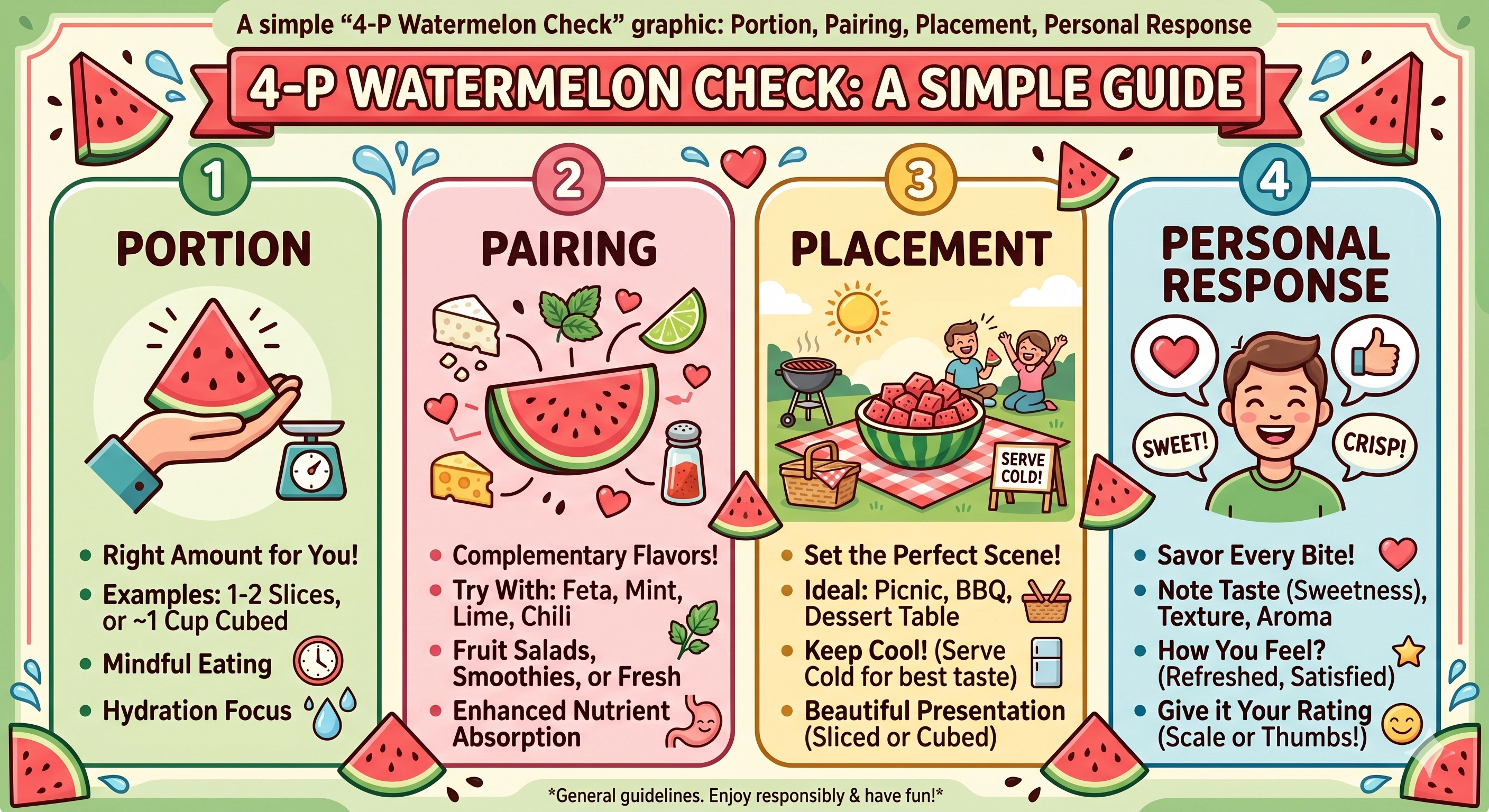
1. Portion
How much are you eating? A measured bowl is more helpful than a guessed amount from a large plate.
2. Pairing
Are you eating watermelon alone, or with protein, fiber, or healthy fat? Pairing may help some people feel more satisfied.
3. Placement
Is watermelon replacing another carbohydrate, or is it being added on top of rice, bread, noodles, dessert, or sweet drinks?
4. Personal response
How does your body respond? Your blood sugar readings, hunger, energy, cravings, and healthcare advice all matter.
This framework helps you move away from food fear and toward better decision-making.
When to Talk to a Healthcare Professional
Consider speaking with a doctor, registered dietitian, or diabetes educator if:
- Your blood sugar is often higher than your target range after eating fruit
- You use insulin or medications that can cause low blood sugar
- You are unsure how to count carbohydrates
- You have kidney disease, gestational diabetes, or another condition that requires personalized nutrition advice
- You feel anxious or confused about which foods are safe for you
A professional can help you build a plan that fits your health needs, medications, preferences, and lifestyle.
FAQ
Can diabetics eat watermelon safely?
Many people with diabetes can eat watermelon in moderate portions. The safest approach is to consider the serving size, the rest of the meal, and your personal blood sugar response.
How much watermelon can a diabetic eat?
A common practical starting point is around ¾ to 1 cup of diced watermelon, depending on your meal plan and personal response. Some people may need less or may fit it differently into their carbohydrate goals.
Does watermelon raise blood sugar?
Watermelon contains carbohydrates, so it can raise blood sugar. The effect may depend on how much you eat, whether you eat it alone, and your individual response.
Is watermelon too high in sugar for diabetes?
Watermelon tastes sweet, but a measured portion can fit into many diabetes-friendly eating patterns. The bigger issue is usually large portions, juice, or eating it on top of other high-carbohydrate foods.
Is watermelon juice okay for diabetics?
Fresh watermelon is usually a better choice than juice because it is easier to portion and slower to consume. Watermelon juice may contain several servings of fruit in one glass and may raise blood sugar more quickly for some people.
Can people with prediabetes eat watermelon?
People with prediabetes can often include fruit, including watermelon, as part of a balanced eating pattern. Portion size, meal balance, activity, and overall carbohydrate intake still matter.
Is watermelon better than dessert?
A small bowl of fresh watermelon may be a better option than many sugary desserts for some people. But it still contains carbohydrates, so it should not be treated as unlimited.
Can I eat watermelon at night if I have diabetes?
Some people can eat a small portion at night without issues, while others may notice higher readings. If you eat watermelon at night, keep the portion measured and consider whether it fits your overall day.
Is seedless watermelon worse than regular watermelon?
Seedless watermelon is not automatically worse. The main concern is still portion size and total carbohydrate intake, not whether the watermelon has seeds.
Should watermelon be eaten before or after a meal?
Some people may find it easier to manage portions when eating watermelon after a balanced meal rather than alone when very hungry. Your personal response may vary.
Practical Takeaway
Watermelon does not need to be feared, but it should not be treated as unlimited.
For many people with diabetes, a small measured portion of fresh watermelon may fit into a balanced eating pattern. The most important factors are portion size, food pairing, meal context, and personal blood sugar response.
Fresh watermelon is usually a better choice than juice, smoothies, or sweetened watermelon desserts. If you are unsure how watermelon fits into your plan, or if your readings are often higher than expected after eating fruit, talk with a healthcare professional for personalized guidance.
You should also read:

Can Diabetics Eat Dill Pickles? A Practical Guide to This Salty Snack
When you are trying to manage blood sugar, snack choices can feel confusing. Chips are crunchy but high in refined carbs. Cookies are easy to overeat. Crackers may seem harmless, but they can add up quickly. Then you see a jar of dill pickles in…
Continue reading...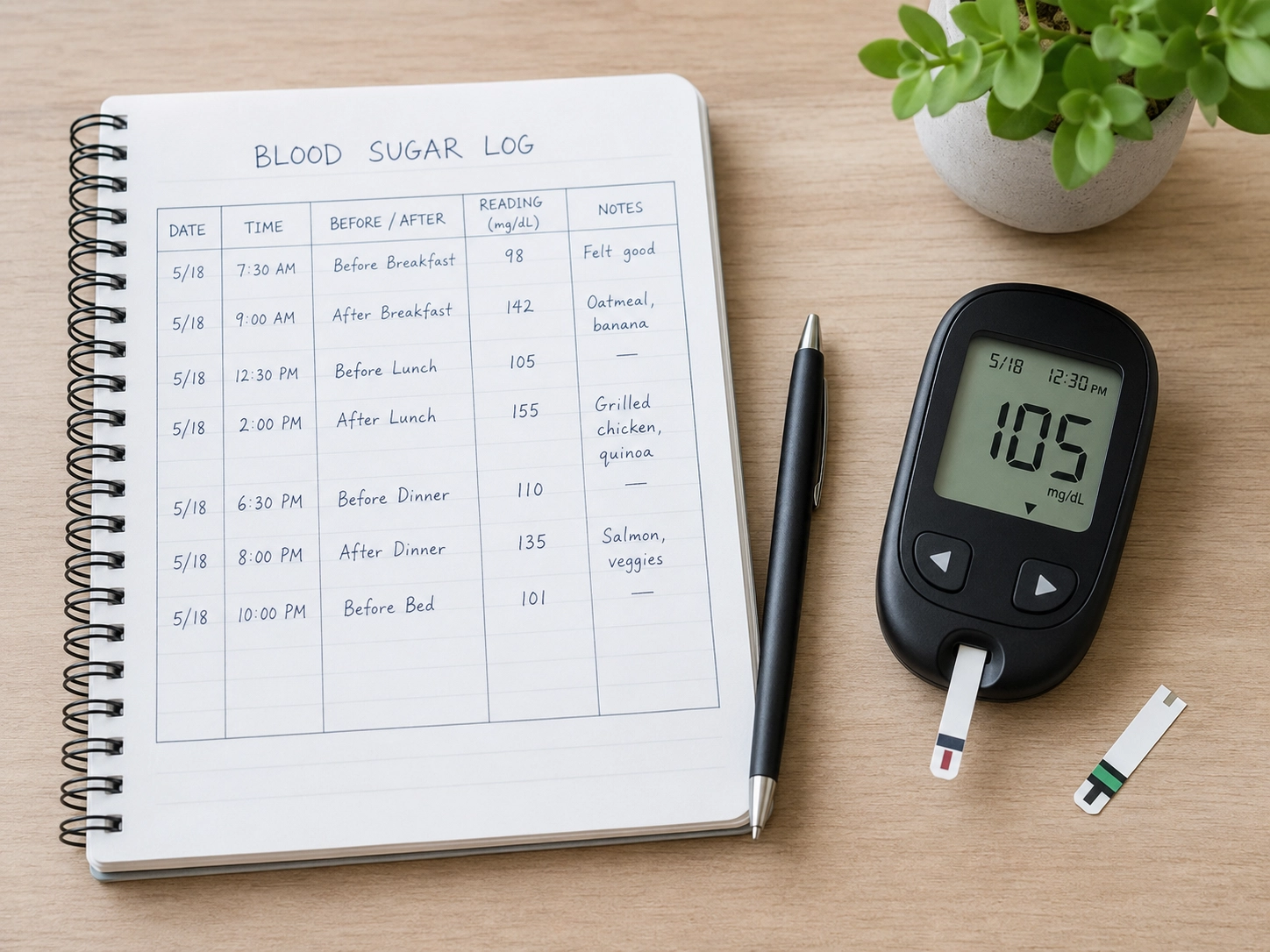
How to Use a Blood Sugar Log Without Feeling Overwhelmed
Checking your blood sugar can feel simple at first: test, see a number, write it down. But after a few days, many people realize the hard part is not getting the number. The hard part is understanding what the number means. Why was your morning…
Continue reading...
Can Banana Be Eaten in Diabetes? A Practical Guide to Portion, Ripeness, and Blood Sugar
Bananas are one of those everyday foods that can feel confusing if you are watching your blood sugar. On one hand, a banana is a whole fruit. It is simple, affordable, portable, and naturally sweet. On the other hand, you may have heard that bananas…
Continue reading...