Blood Sugar Support in Real Life: What Actually Helps Day to Day?

Table of Contents
- What Does Blood Sugar Support Actually Mean?
- Blood Sugar Is About Patterns, Not One Perfect Number
- Understanding Numbers Without Diagnosing Yourself
- Food Habits That Can Support Healthy Blood Sugar
- Movement as Blood Sugar Support
- Sleep, Stress, and Metabolic Health Support
- Natural Blood Sugar Support: What It Should and Should Not Mean
- Where Blood Sugar Support Supplements May Fit
- A Simple Blood Sugar Support Framework
- Common Mistakes About Blood Sugar Support
- When to Talk to a Healthcare Professional
- FAQ
- What does blood sugar support mean?
- What is the best natural blood sugar support?
- Do blood sugar support supplements work?
- Can I support healthy blood sugar without supplements?
- Is walking after meals helpful?
- Should I use a blood sugar log?
- Is blood sugar balance the same as normal blood sugar?
- How long does blood sugar support take?
- Practical Takeaway
- References & Further Reading:
If you have ever felt tired after a meal, craved something sweet in the afternoon, or felt confused by blood sugar numbers, the phrase “blood sugar support” can sound both helpful and vague.
Some people use it to talk about food choices. Others use it for exercise, weight management, supplements, or general metabolic health. Online, the phrase can also appear next to big promises that sound too simple: one food, one drink, one capsule, or one routine that supposedly fixes everything.
Real life is more balanced than that.
Blood sugar support is not about chasing one perfect number or finding a magic solution. It is better understood as a daily support system: the way you eat, move, sleep, handle stress, track patterns, and make decisions over time.
This article explains what blood sugar support means in practical terms, what habits may help support healthy blood sugar levels, where supplements may fit, and when it is better to ask a healthcare professional for guidance.
What Does Blood Sugar Support Actually Mean?
Blood sugar is the amount of glucose in your blood. Glucose comes mainly from the carbohydrates you eat, but your body also manages glucose through hormones, liver activity, physical activity, sleep, stress, and other factors.
When people talk about blood sugar support, they usually mean habits or products that may help the body maintain healthier glucose patterns. But “support” is an important word. It does not mean cure. It does not mean instant reduction. It does not mean replacing medication or medical care.
A helpful way to think about it is this:
Blood sugar support is the collection of daily choices that may help your body handle glucose more steadily.
That includes:
- Building balanced meals
- Eating enough protein and fiber
- Choosing slower-digesting carbohydrates more often
- Moving regularly
- Avoiding long periods of sitting
- Sleeping consistently
- Managing stress
- Tracking patterns when appropriate
- Using supplements cautiously, if they fit your situation
The goal is not perfection. The goal is better awareness and more consistent routines.
Blood Sugar Is About Patterns, Not One Perfect Number
One common mistake is judging your whole health from one reading.
Blood sugar naturally changes throughout the day. It may rise after meals, shift after exercise, change with poor sleep, increase during stress, or vary when you are sick. Even the same meal can affect people differently depending on portion size, timing, activity, medication, hydration, and sleep.
That is why patterns matter.
For example, one higher-than-expected reading after a large meal may tell you something useful, but it does not automatically tell the whole story. A repeated pattern of high readings, frequent low readings, or symptoms should be discussed with a healthcare professional.
This is where a simple blood sugar log can be useful. Instead of writing down only numbers, a good log can include:
- What you ate
- When you ate
- Portion size
- Movement before or after the meal
- Sleep quality
- Stress level
- Symptoms or energy changes
Over time, this can help you notice patterns such as: “I feel sleepy after a large rice-heavy lunch,” or “My evening walk seems to help me feel better after dinner.”
If you already use Wakadam’s blood sugar log guide, this article can link naturally to it when discussing pattern tracking.
Understanding Numbers Without Diagnosing Yourself
Blood sugar charts, A1C calculators, and conversion tools can be helpful, but they should be used carefully.
A normal blood sugar range chart can help you understand general categories, such as fasting, after-meal, or A1C-related numbers. But your personal target range may depend on your age, health history, medications, pregnancy status, risk of low blood sugar, and other factors.
An A1C estimate is also different from a single daily glucose reading. A1C reflects a longer-term average, while home glucose checks show what is happening at a specific moment. Both can be useful, but they answer different questions.
For example:
- A fingerstick reading after breakfast may show how that meal affected you.
- A blood sugar log may show repeated patterns over days or weeks.
- A glucose to A1C calculator may help you understand the relationship between average glucose and A1C.
- A blood sugar conversion chart may help if you see numbers in mg/dL in one place and mmol/L in another.
These tools are useful for learning. They are not a replacement for medical interpretation.
Food Habits That Can Support Healthy Blood Sugar
Food is one of the most practical places to start because meals can strongly affect how you feel after eating.
This does not mean you need to fear all carbohydrates. It means the type, amount, and combination of foods can matter.
Build Meals Around Protein, Fiber, and Slower-Digesting Carbs
A meal made mostly of refined carbohydrates may digest quickly for some people and may be associated with sharper blood sugar changes. A more balanced meal often includes:
- Protein, such as eggs, fish, chicken, tofu, Greek yogurt, or beans
- Fiber-rich foods, such as vegetables, lentils, chia seeds, oats, or berries
- Slower-digesting carbohydrates, such as whole grains, beans, or starchy vegetables
- Healthy fats in reasonable amounts, such as avocado, nuts, seeds, or olive oil

For example, compare these two breakfasts:
Breakfast A: Sweet coffee drink and pastry
Breakfast B: Plain Greek yogurt with berries, chia seeds, and a small portion of oats
The second option is not “perfect,” but it has more protein and fiber. Some people may find that this kind of breakfast supports steadier energy and fewer cravings later in the morning.
Pair Carbohydrates Instead of Eating Them Alone
Carbohydrates are not automatically bad. But eating fast-digesting carbs alone can be a problem for some people.
A few practical examples:
- Instead of eating an apple alone, pair it with nuts or plain yogurt.
- Instead of plain white toast, add eggs or avocado.
- Instead of rice alone, eat it with protein and vegetables.
- Instead of a sweet snack by itself, choose a smaller portion after a balanced meal.
This is not about strict food rules. It is about reducing the chance of quick spikes and crashes by changing the meal structure.
Watch the “Healthy but High-Sugar” Trap
Some foods look healthy but may contain more sugar or fast-digesting carbs than people realize.
Examples include:
- Fruit juice
- Large smoothies with juice, banana, honey, and granola
- Sweetened yogurt
- Granola bars
- Sweetened oatmeal packets
- “Natural” drinks with added sugar
- Large portions of dried fruit
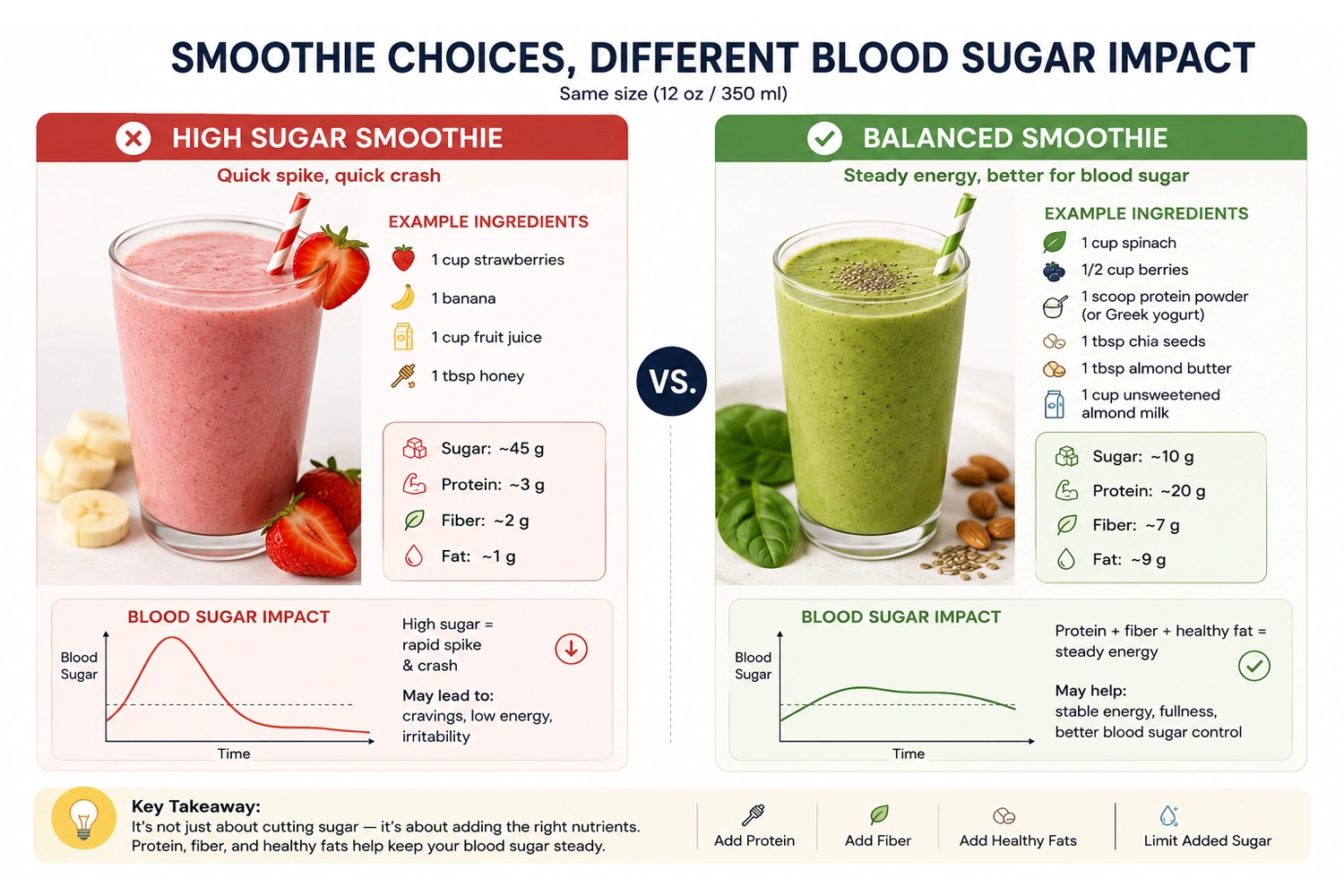
A smoothie, for example, can be a smart choice or a sugar-heavy drink depending on what goes into it.
A more balanced version might include unsweetened Greek yogurt, berries, chia seeds, spinach, and no added juice or honey. This kind of change may help some people get more protein and fiber while reducing added sugar.
Movement as Blood Sugar Support
Exercise does not have to mean a gym membership or intense workouts.
Muscles use glucose for energy. Because of that, regular movement can support metabolic health and may help some people manage post-meal glucose patterns. The key is making movement realistic enough to repeat.
The After-Meal Walk
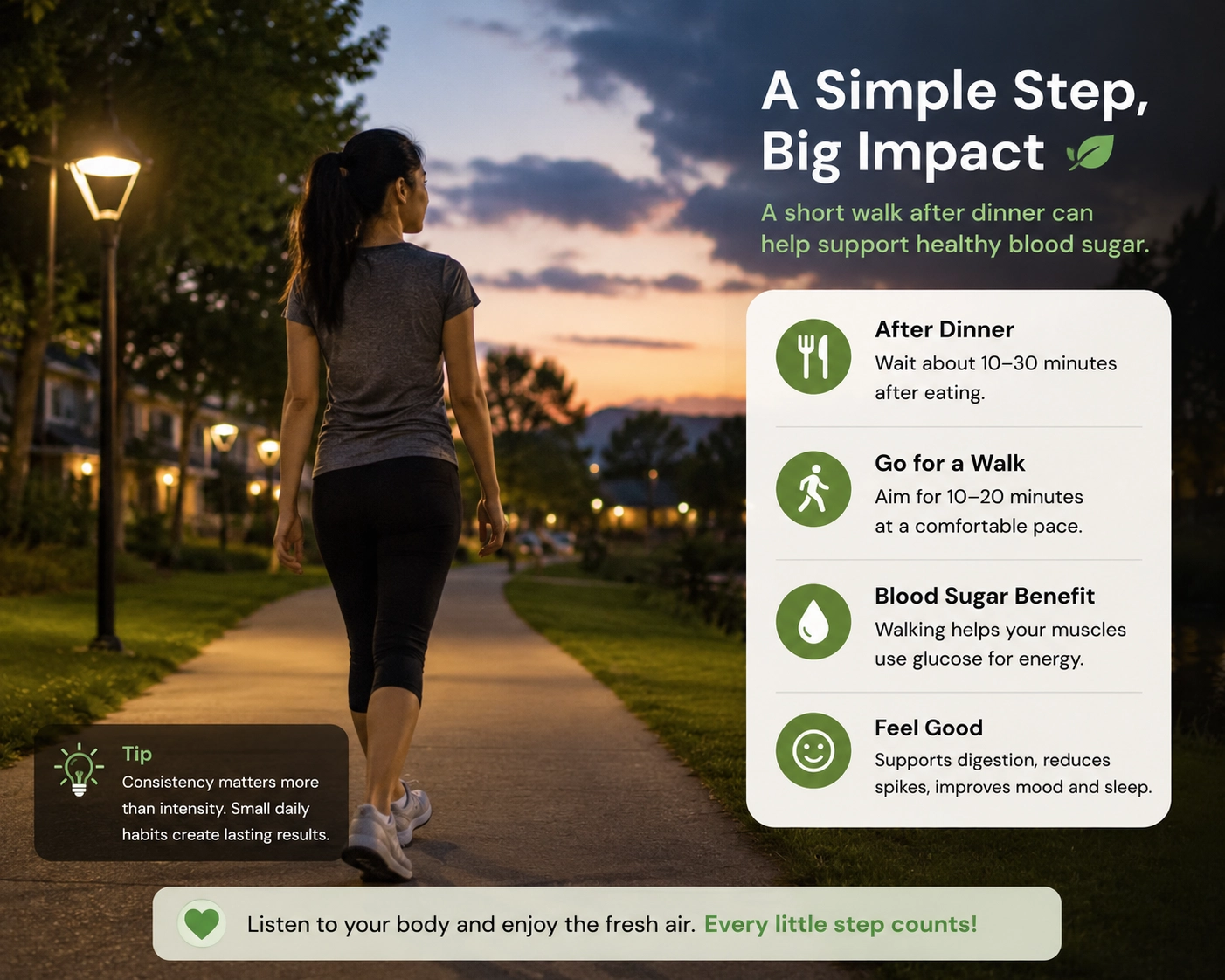
A simple example is walking after dinner.
Imagine someone who eats a large evening meal and then sits on the sofa for three hours. Now compare that with the same person taking a gentle 10-minute walk after eating.
That short walk is not a medical treatment, and it should not be presented as a guaranteed way to lower blood sugar. But for many people, light movement after meals can be a practical habit that supports better blood sugar awareness and overall metabolic health.
Other realistic options include:
- Light housework after lunch
- Walking while taking a phone call
- Standing and stretching after long sitting
- Taking stairs when possible
- Gardening
- Short indoor walking during bad weather
The best movement habit is not always the most intense one. It is the one you can actually repeat.
Sleep, Stress, and Metabolic Health Support
Blood sugar support is not only about food.
Poor sleep can make healthy choices harder. When you sleep badly, you may feel hungrier, crave quick energy, skip movement, or depend on sweet drinks to get through the day. Over time, this can affect the habits that support healthy blood sugar.
Stress matters too. Stress can lead to rushed meals, emotional snacking, late-night eating, or skipping normal routines. For some people, stress may also affect glucose patterns directly through hormonal changes.
This does not mean you can remove all stress. A more realistic goal is to build small stabilizing habits.
For example:
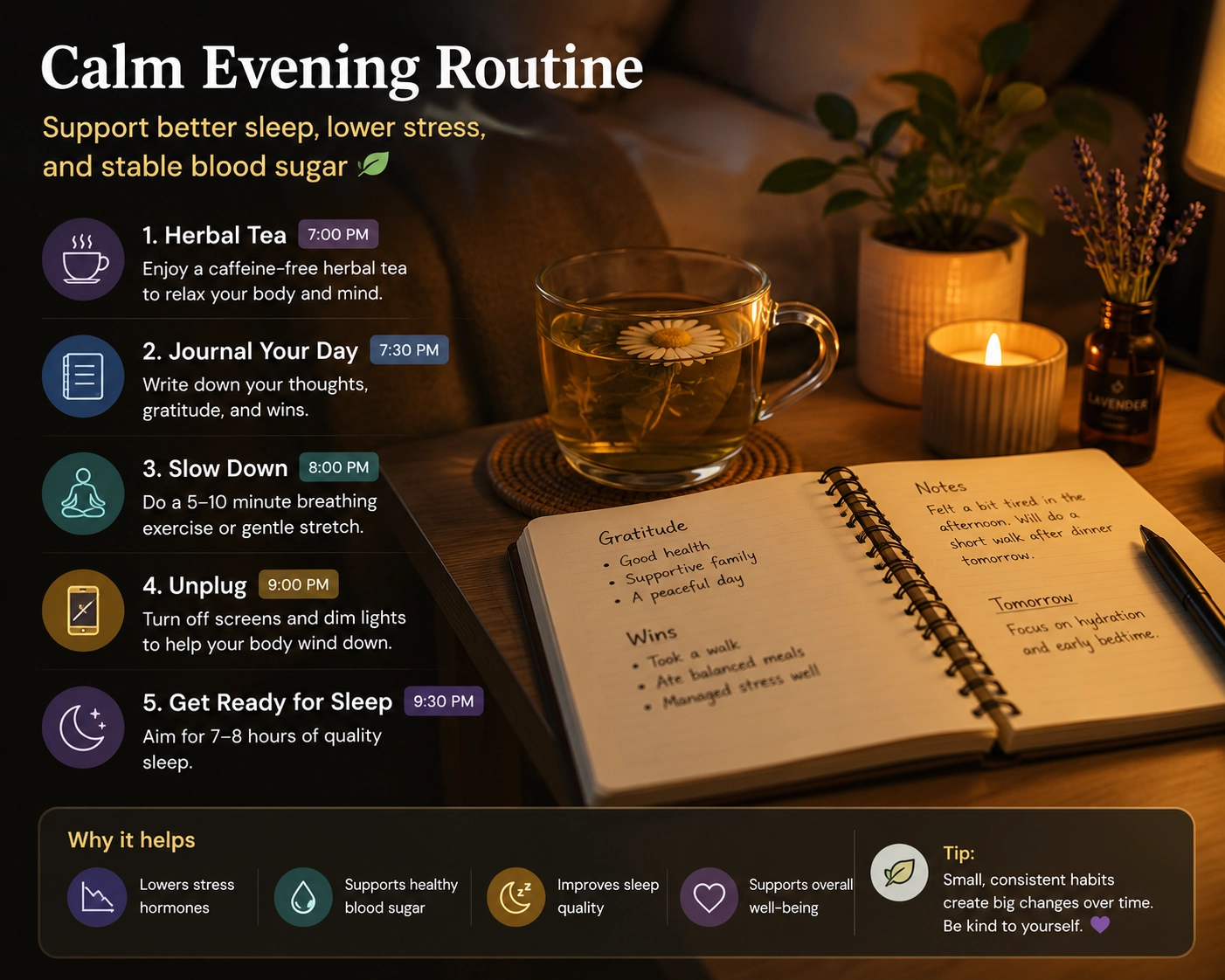
- Keep a consistent bedtime most nights.
- Avoid large late-night snacks when possible.
- Prepare a simple breakfast option in advance.
- Take a short walk after stressful workdays.
- Use a simple breathing routine before bed.
- Keep high-sugar snacks out of easy reach if they trigger overeating.
These habits may look small, but blood sugar support is often built from small choices repeated consistently.
Natural Blood Sugar Support: What It Should and Should Not Mean
“Natural blood sugar support” is a popular phrase, but it can be misunderstood.
At its best, natural support means focusing on everyday foundations:
- Balanced meals
- Fiber-rich foods
- Regular movement
- Better sleep
- Stress management
- Hydration
- Weight management where appropriate
- Monitoring patterns when advised
At its worst, “natural” can become a reason to ignore medical advice, avoid needed medication, or trust unrealistic claims.
Natural does not always mean safe. Herbs, extracts, and supplements can still have side effects or interact with medication. This is especially important for people who take insulin, diabetes medication, blood pressure medication, blood thinners, or multiple prescriptions.
A good rule is simple:
Natural habits can be part of blood sugar support, but they should not replace medical care when medical care is needed.
Where Blood Sugar Support Supplements May Fit
Some readers may wonder whether a blood sugar support supplement is useful.
The safest way to discuss this is to keep supplements secondary. A supplement should not be the foundation of your blood sugar plan. Food habits, movement, sleep, stress, medical guidance, and monitoring are more important starting points.
A supplement may be something some people consider as additional support, but it should not be presented as a cure, treatment, medication replacement, or guaranteed way to lower blood sugar.
How to Evaluate Supplement Claims
Before considering a supplement, ask these questions:
- Does the product use realistic wording such as “supports healthy blood sugar” instead of “cures” or “reverses”?
- Are the ingredients clearly listed?
- Does the marketing avoid promising fast blood sugar reduction?
- Does it encourage healthy habits instead of replacing them?
- Is there a clear affiliate disclosure if someone earns a commission?
- Does it avoid telling people to stop medication?
- Would it be safe with your current health conditions or medications?
If you take glucose-lowering medication, have frequent low blood sugar, are pregnant, have kidney or liver disease, or take multiple medications, ask a healthcare professional before using any supplement.
Supplements should sit in the “maybe” category, not the “must-have” category.
A Simple Blood Sugar Support Framework
If you feel overwhelmed, use a simple five-part framework.
1. Track Patterns
You do not need to track everything forever. But for a short period, a blood sugar log can help you connect numbers, meals, energy, and habits.
2. Build Balanced Meals
Start with one meal per day. Add protein, fiber, and a more thoughtful carbohydrate portion. Do not try to redesign your whole diet overnight.
3. Move After Meals When Possible
A short walk or light activity after meals may help some people feel better and support healthier routines.
4. Protect Sleep and Stress Routines
Choose one simple habit: a regular bedtime, less late-night snacking, a short evening walk, or a calming routine before sleep.
5. Review Changes With a Healthcare Professional
If your readings are confusing, repeatedly outside your advised range, or connected with symptoms, get professional guidance.
Common Mistakes About Blood Sugar Support
Mistake 1: Looking for One Magic Solution
No single food, supplement, or habit controls everything. Blood sugar is affected by meals, movement, sleep, stress, health conditions, medications, and more.
Mistake 2: Panicking Over One Number
One reading can give useful information, but patterns are more meaningful. Repeated unusual readings or symptoms deserve professional guidance.
Mistake 3: Thinking “Natural” Means Risk-Free
Natural products can still interact with medication or cause side effects. This is especially important for people with diabetes or other health conditions.
Mistake 4: Ignoring Drinks
Sweet drinks, fruit juice, flavored coffee, and large smoothies can add a lot of sugar quickly. Drinks are often easier to overlook than food.
Mistake 5: Making Extreme Changes Too Fast
Skipping meals, cutting carbs too aggressively, or changing medication without guidance can be risky. Safer changes are usually gradual, realistic, and discussed with a healthcare professional when needed.
When to Talk to a Healthcare Professional
Talk with a healthcare professional if:
- Your readings are repeatedly outside your advised range.
- You have symptoms of very high or very low blood sugar.
- You are pregnant or planning pregnancy.
- You take insulin or glucose-lowering medication.
- You are considering a supplement.
- You are unsure what your blood sugar numbers mean.
- You have kidney, liver, heart, or other chronic health conditions.
- You feel overwhelmed or are making major diet changes.
This is especially important because personal blood sugar targets can vary. General charts are helpful for learning, but your own target range should come from your healthcare team.
FAQ
What does blood sugar support mean?
Blood sugar support usually means habits, routines, or products that may help maintain healthier blood sugar patterns. It should not be confused with medical treatment, diabetes reversal, or a guaranteed way to lower blood sugar.
What is the best natural blood sugar support?
The best foundation is usually a combination of balanced meals, fiber-rich foods, regular movement, sleep consistency, stress management, and appropriate monitoring. No single habit works the same for everyone.
Do blood sugar support supplements work?
Some supplements are marketed for blood sugar support, but they should be approached carefully. They should not replace medical care, medication, balanced eating, movement, or monitoring. If you take medication or have a health condition, ask a healthcare professional before using one.
Can I support healthy blood sugar without supplements?
Yes. Many important blood sugar support habits do not involve supplements. Food choices, meal structure, movement, sleep, stress routines, and pattern tracking can all support metabolic health.
Is walking after meals helpful?
Light movement after meals may help some people support better post-meal glucose patterns and energy. It should not be treated as a guaranteed medical treatment, but it can be a realistic daily habit.
Should I use a blood sugar log?
A blood sugar log may help you notice patterns around meals, movement, sleep, stress, and symptoms. It should not be used to diagnose yourself, but it can make conversations with a healthcare professional more useful.
Is blood sugar balance the same as normal blood sugar?
Not exactly. “Blood sugar balance” is a broad everyday phrase. “Normal blood sugar” usually refers to general reference ranges, which depend on timing and context. Personal targets may vary.
How long does blood sugar support take?
There is no single timeline. Blood sugar patterns can be influenced by many factors, including food, activity, sleep, stress, medication, health status, and consistency. Be cautious with any product or plan that promises fast results.
Practical Takeaway
Blood sugar support is not one magic food, one supplement, or one perfect number. It is a daily system.
Start with the basics: notice your patterns, build more balanced meals, move when possible, protect sleep, manage stress, and ask for medical guidance when numbers are confusing or concerning.
Supplements may have a place for some people, but they should stay secondary to education, lifestyle habits, and professional care.
A calmer, more realistic approach is usually more useful than chasing quick fixes.
Health disclaimer: This article is for general education only. It does not diagnose, treat, cure, or prevent any disease. If you have diabetes, prediabetes, frequent high or low readings, take medication, are pregnant, or are unsure what your numbers mean, talk with a qualified healthcare professional.
References & Further Reading:
Centers for Disease Control and Prevention (CDC): Diabetes Meal Planning. Explains how pairing carbohydrates with protein, fat, or fiber slows down digestion and glucose absorption. Read more
National Institutes of Health (NIH) / PubMed: Post-Meal Walking. Clinical research demonstrating the effectiveness of light physical activity (like a 10-minute walk) after meals in improving postprandial blood glucose levels. Read more
CDC: 10 Surprising Things That Can Spike Your Blood Sugar. Details how poor sleep quality directly contributes to insulin resistance. Read more
CDC: Stress and Diabetes. Outlines how physical and emotional stress hormones can directly elevate blood sugar levels. Read more
You should also read:

Can Banana Be Eaten in Diabetes? A Practical Guide to Portion, Ripeness, and Blood Sugar
Bananas are one of those everyday foods that can feel confusing if you are watching your blood sugar. On one hand, a banana is a whole fruit. It is simple, affordable, portable, and naturally sweet. On the other hand, you may have heard that bananas…
Continue reading...
Is Sourdough Bread Good for Diabetics? What to Know Before You Eat It
Sourdough bread has a strong “health halo.” It sounds traditional, natural, fermented, and more wholesome than regular white bread. So if you are trying to manage blood sugar, it is easy to wonder: is sourdough bread good for diabetics, or is it just another bread…
Continue reading...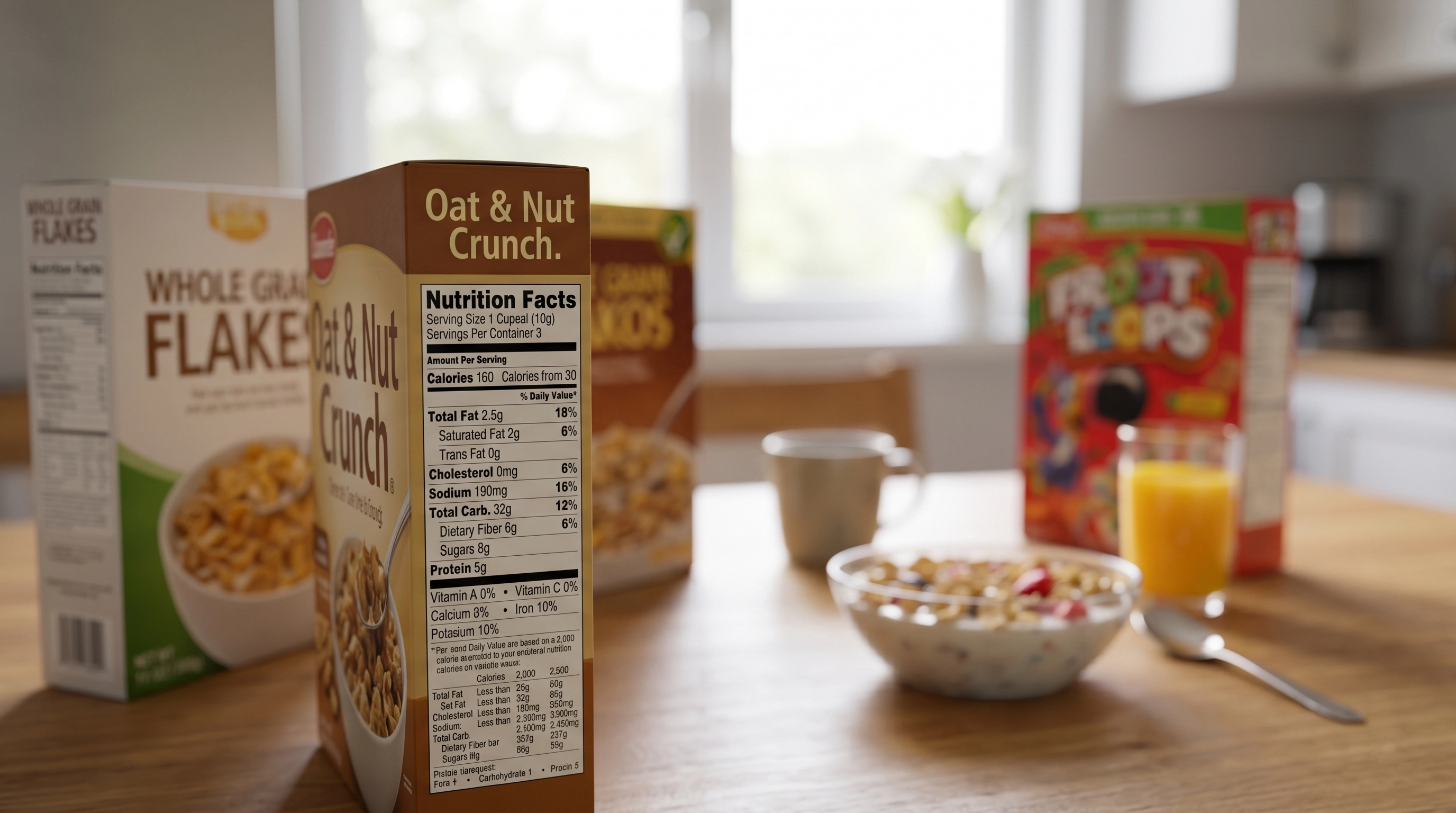
Worst Cereals for Diabetics: What to Avoid and How to Choose Better
Cereal is one of the easiest breakfasts in the world. You pour it into a bowl, add milk, and you are done in less than two minutes. For busy mornings, that convenience is hard to beat. But if you are managing diabetes, prediabetes, insulin resistance,…
Continue reading...