Can Banana Be Eaten in Diabetes? A Practical Guide to Portion, Ripeness, and Blood Sugar
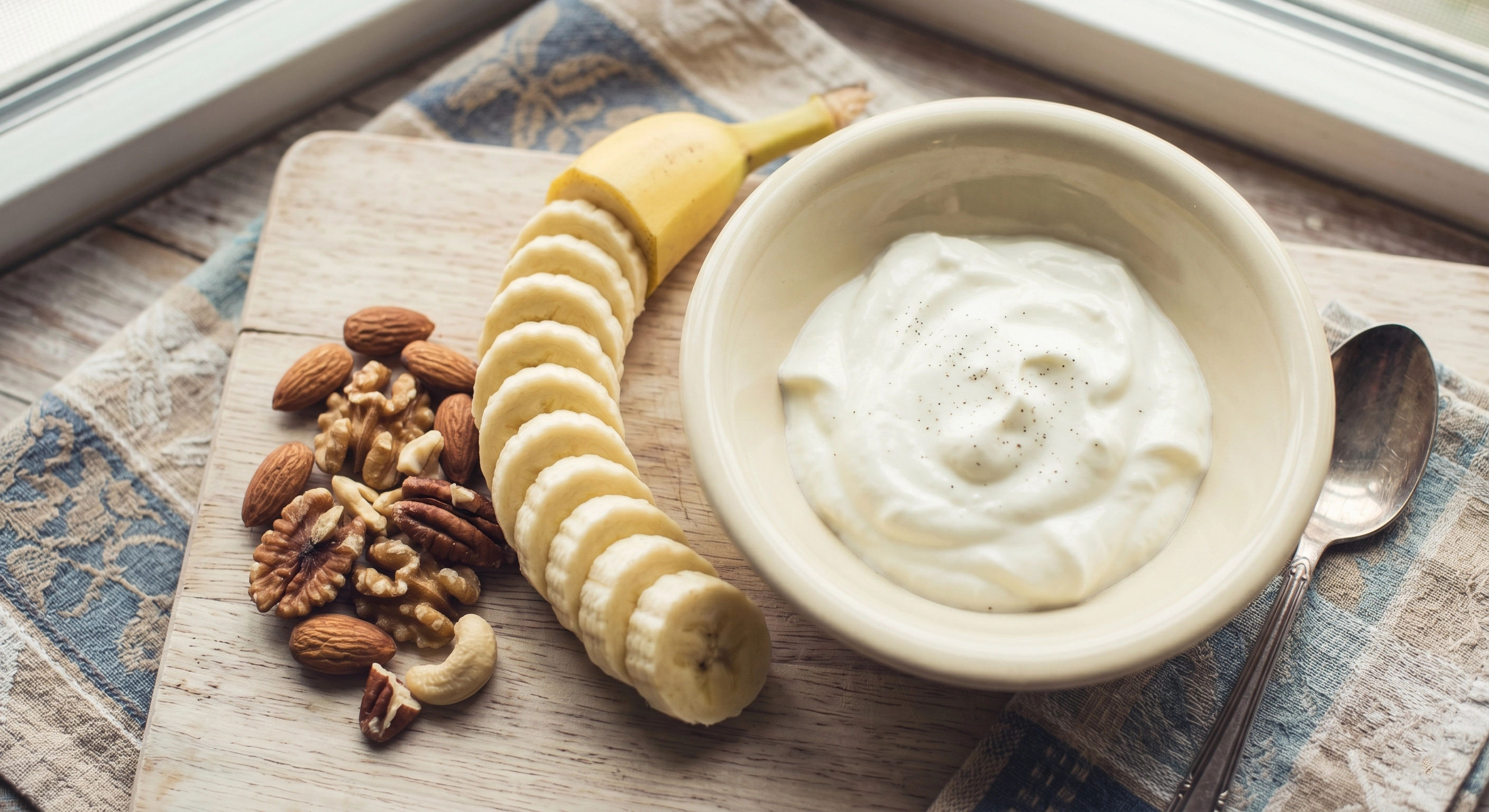
Bananas are one of those everyday foods that can feel confusing if you are watching your blood sugar.
On one hand, a banana is a whole fruit. It is simple, affordable, portable, and naturally sweet. On the other hand, you may have heard that bananas are “too sugary” for people with diabetes. So where does that leave you if you enjoy bananas but also want to make careful food choices?
The practical answer is this: banana can be eaten in diabetes by some people, but portion size, ripeness, timing, and what you eat it with all matter. A banana is not automatically “bad,” but it is also not a free food. It contains carbohydrates, and carbohydrates can affect blood sugar.
Instead of asking only, “Is banana allowed?” it may be more helpful to ask, “How much banana fits my meal, and what is the best way to eat it?”
This guide will help you think through bananas in real life, not just from a nutrition label.
Health Disclaimer: This article is for general education only and is not a substitute for personalized medical advice. If you have diabetes, use insulin, take glucose-lowering medication, are pregnant, or have kidney disease, speak with a qualified healthcare professional about your individual food choices.
Can Banana Be Eaten in Diabetes?
Yes, banana may fit into a diabetes-friendly eating pattern for some people. But it should be treated as a portion-aware fruit.
That means the answer is not the same for every person or every situation. A few slices of banana in plain yogurt are different from a large ripe banana blended into a smoothie with honey, oats, and sweetened milk. Half a banana after a balanced meal is different from eating two bananas alone when you are very hungry.
The main reason is that bananas contain natural carbohydrates. These carbohydrates are not “bad,” but they still count. For people managing diabetes, prediabetes, insulin resistance, or blood sugar swings, the amount and context of those carbohydrates can make a real difference.
A helpful way to think about banana is this:
Banana is not forbidden, but it deserves attention.
If you enjoy bananas, you may not need to remove them completely. Instead, you can learn how to choose the right portion, pair it better, and notice how your own body responds.
Why Bananas Can Affect Blood Sugar
Bananas Contain Natural Carbohydrates
Bananas taste sweet because they contain natural sugars and starches. These are forms of carbohydrates. When you eat carbohydrates, your body breaks many of them down into glucose, which enters the bloodstream.
This does not mean bananas are unhealthy. Whole bananas also provide fiber, potassium, vitamin B6, and other nutrients. But from a blood sugar point of view, the carbohydrate content still matters.
This is where many people get confused. They may think, “It is fruit, so it must not count.” But natural sugar still affects the body. A banana is very different from candy, but it is still a carbohydrate-containing food.
Fiber Helps, But It Does Not Cancel Everything
Whole fruit contains fiber, and fiber can support slower digestion compared with fruit juice or sugary drinks. This is one reason whole fruit is usually a better choice than fruit juice for people concerned about blood sugar.
However, fiber does not erase all the carbohydrates in banana. A medium banana can contain a meaningful amount of carbs, so eating a large banana on top of a high-carb meal may be too much for some people.
A simple way to think about it:
Fiber helps, but portion still matters.
The Most Important Factor: Portion Size
If someone asks, “Can I eat a banana with diabetes?” the next question should be, “What size banana?”
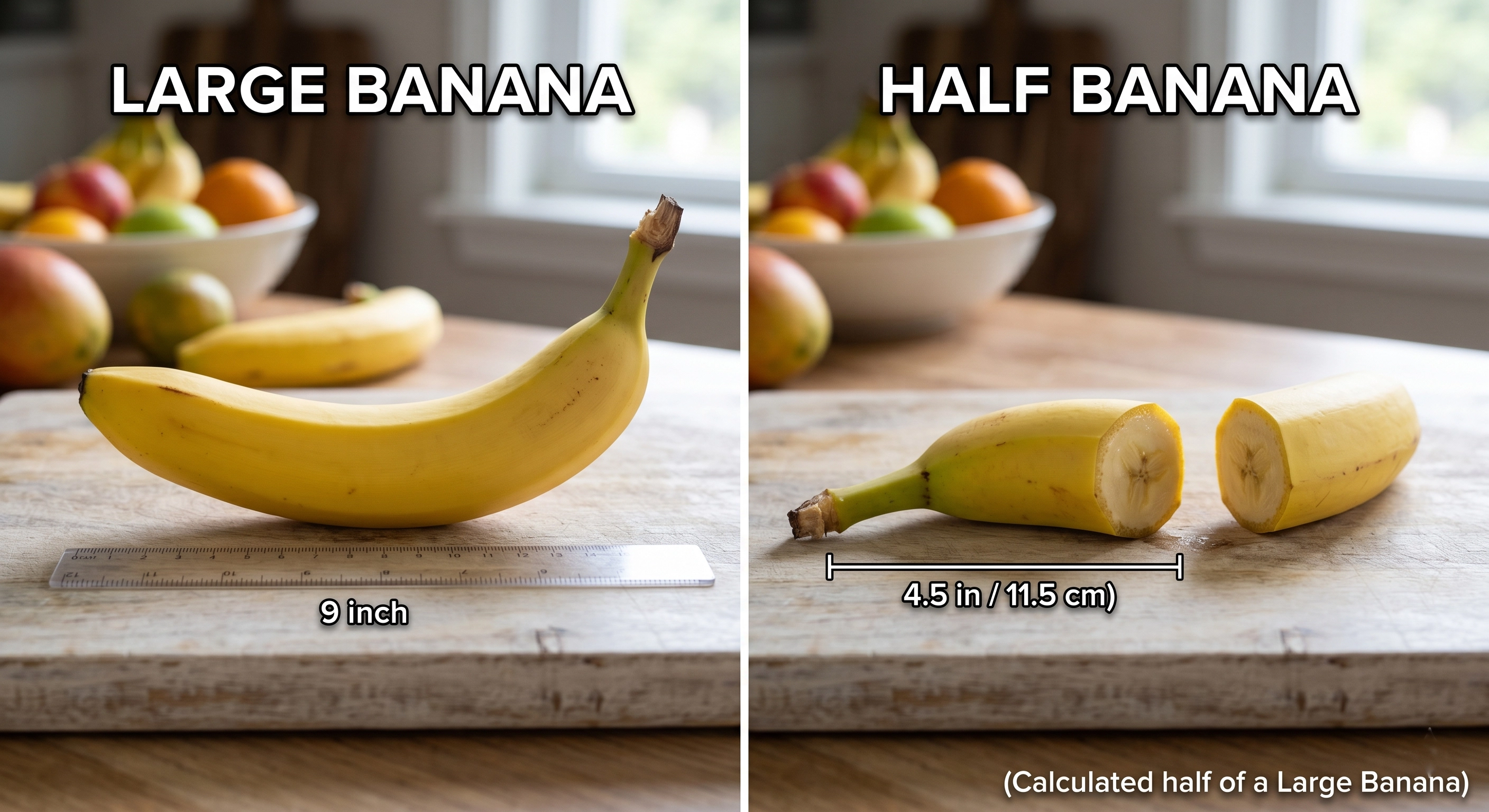
This is important because bananas vary a lot. A small banana and a large banana are not the same food experience from a blood sugar perspective.
A small banana may fit comfortably into a snack or breakfast for some people. A large banana may contain far more carbohydrate than expected. And if banana is added to cereal, toast, sweet coffee, juice, or oatmeal, the total carbohydrate load of the meal can rise quickly.
A Whole Large Banana May Be Too Much for Some People
Many people talk about “one banana” as if every banana is the same. In real life, one banana can mean:
- a few slices on yogurt
- half a small banana
- one extra-small banana
- one medium banana
- one large banana
- one very ripe banana blended into a smoothie
These are very different portions.
For someone who is unsure how banana affects their blood sugar, starting with a smaller portion is often more practical than eating a large banana and hoping for the best.
For example, instead of eating a whole large banana as a snack, some people may find it more balanced to eat half a banana with a source of protein or healthy fat.
A Simple Portion Guide for Real Life
Here is a practical starting point:
If you are unsure, try half of a small or medium banana rather than a large one. Pair it with something that adds protein, fat, or extra fiber, such as plain yogurt, nuts, chia seeds, or peanut butter.
This does not mean everyone must eat exactly this amount. People have different needs, medications, activity levels, and glucose responses. But it gives you a more cautious starting point than treating a banana as an unlimited snack.
If you monitor your blood sugar, you may also learn from your own readings. Some people may tolerate banana well in small portions, while others may notice a larger rise, especially with ripe bananas or when eaten alone.
Does Ripeness Matter?
Ripeness can change how a banana tastes, feels, and behaves in the body.
A greenish banana is firm and less sweet. A yellow banana is softer and sweeter. A brown-spotted banana is usually very sweet and easy to mash into smoothies, pancakes, or baked foods.
The difference matters because as bananas ripen, some of their starch changes into sugars. This is why a very ripe banana tastes sweeter than a slightly green one.
Slightly Green or Less Ripe Banana
A slightly green banana may contain more resistant starch than a very ripe banana. Resistant starch behaves more like fiber in some ways because it is not digested as quickly as regular starch.
Some people may find a slightly underripe banana more filling or less sweet. However, it may also be harder to digest for some people, especially if they are sensitive to resistant starch or certain fibers.
So, slightly green does not automatically mean “better” for everyone. It simply means the banana may affect digestion and sweetness differently.
Yellow Banana
A yellow banana is probably the most common choice. It is sweet, soft enough to eat comfortably, and still firm enough to slice into yogurt, oatmeal, or a snack plate.
For many people, this is the easiest banana to portion. You can use half and save the rest, or slice a small amount into another food.
Brown-Spotted or Very Ripe Banana
A very ripe banana is sweeter and softer. It is also easy to overuse because it blends smoothly into drinks, pancakes, muffins, and desserts.
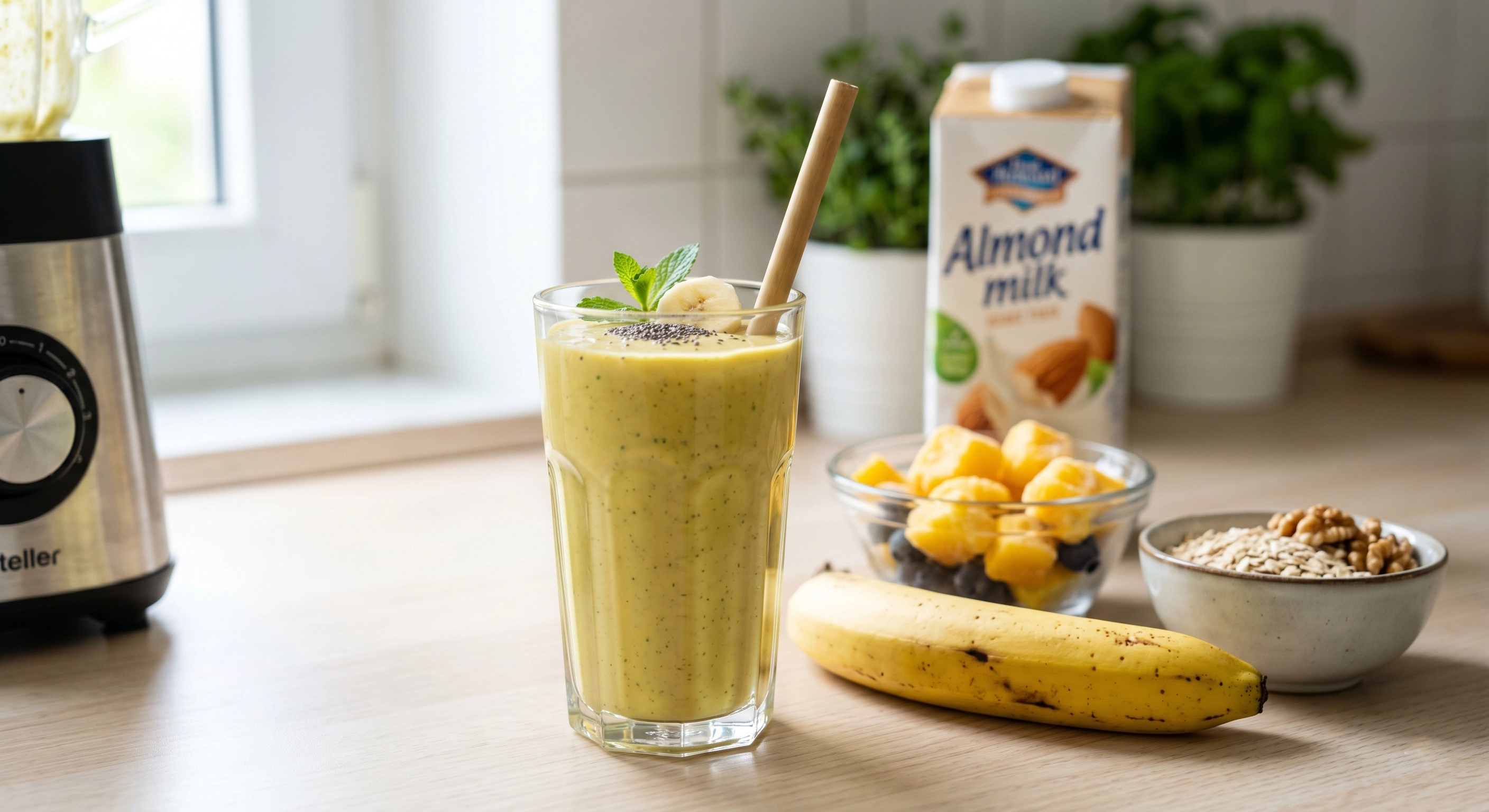
This is where people can accidentally add more carbohydrate than they realize. A “healthy” smoothie may include one large ripe banana, milk, oats, honey, and other fruit. That can become a high-carb drink very quickly.
The problem is not that ripe banana is “toxic” or “forbidden.” The problem is that it is easy to underestimate.
Better Ways to Eat Banana If You Are Watching Blood Sugar
How you eat banana matters almost as much as whether you eat it.
A banana eaten alone when you are hungry may affect you differently than banana eaten with a balanced meal. Pairing banana with protein, fat, or fiber may help some people feel fuller and may support a steadier eating pattern.
Pair Banana With Protein or Healthy Fat
Here are some practical combinations:
- Half banana with plain Greek yogurt
- Banana slices with a spoon of peanut butter
- Half banana with a boiled egg
- Banana slices with walnuts or almonds
- Banana in oatmeal with chia seeds and no added sugar
- Banana with cottage cheese, if you enjoy it
The goal is not to “cancel out” the banana. The goal is to make the snack or meal more balanced and satisfying.
For example, a large ripe banana alone may satisfy you for a short time, but you may feel hungry again soon. Half a banana with plain yogurt and nuts may feel more complete.
Avoid Stacking Too Many Carbs in One Meal
Banana becomes more difficult to manage when it is added to a meal that is already high in carbohydrates.
For example:
Less balanced breakfast:
Banana + sweet cereal + white toast + orange juice + sweet coffee
This meal may be too carb-heavy for many people watching blood sugar.
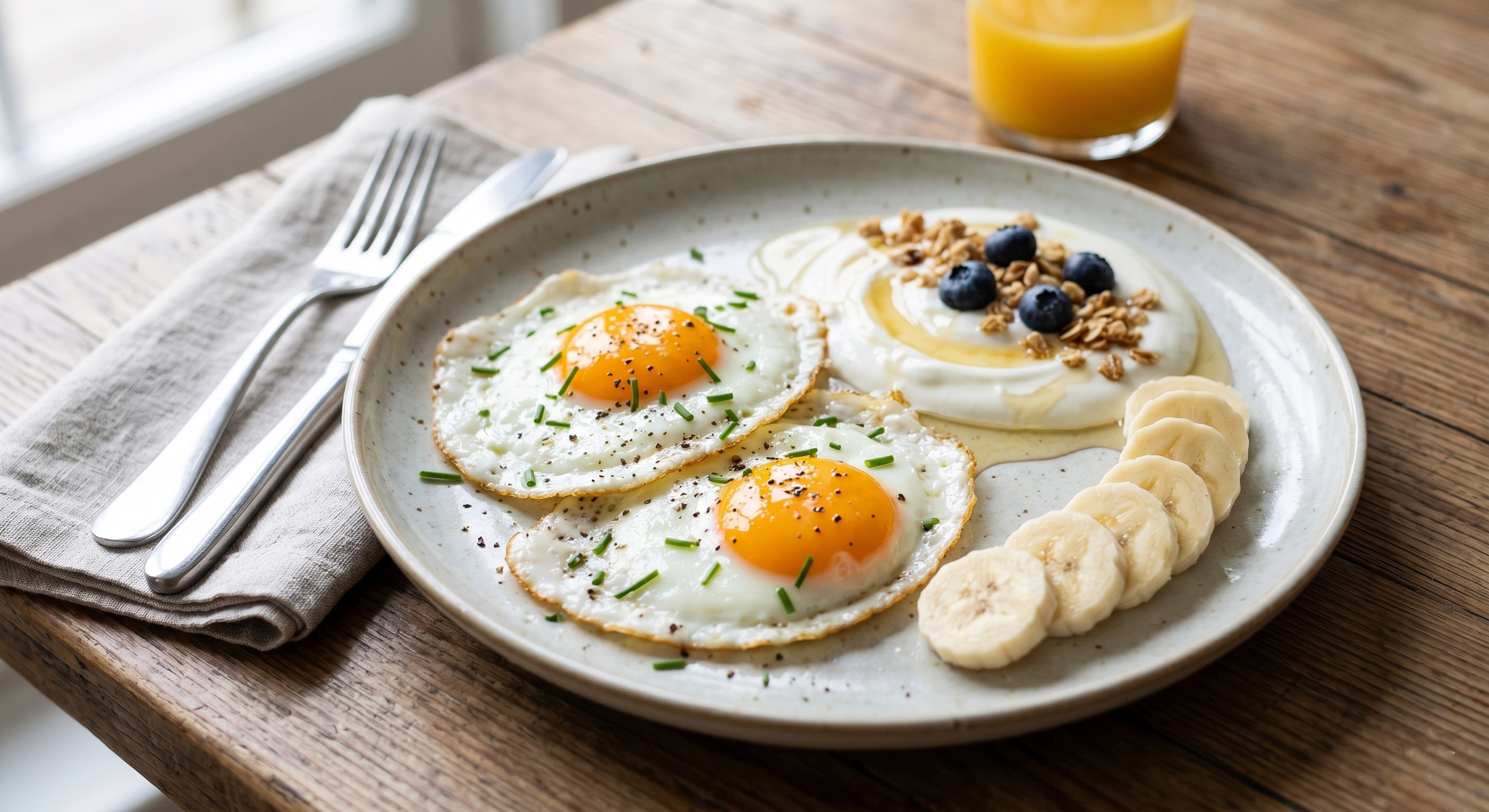
More balanced breakfast:
Half banana + plain yogurt + nuts + boiled egg
This second option still includes banana, but the overall meal has more protein and fat, and less added sugar.
This is the kind of real-life difference that matters. The banana itself is only one part of the meal.
Be Careful With Banana Smoothies
Smoothies often look healthy, but they can be tricky for blood sugar.
A smoothie may contain:
- one large banana
- mango or berries
- milk or sweetened yogurt
- oats
- honey
- dates
- protein powder with sweeteners
Even if every ingredient looks “natural,” the total carbohydrate amount can become high. Also, drinking a smoothie is faster than chewing whole food. Some people may not feel as full from a smoothie as they would from eating the ingredients separately.
A more blood-sugar-aware smoothie might use half a banana, unsweetened yogurt, chia seeds, and no added sweetener. But even then, portion matters.
Real-Life Banana Scenarios
Scenario 1: The 3 P.M. Snack
Imagine you feel tired and hungry in the afternoon. You grab a large ripe banana because it seems healthier than cookies.
That may be a better choice than a sugary dessert for some people, but it may not keep you full for long if eaten alone. You might feel hungry again an hour later and reach for something else.
A more balanced option could be half a banana with a small handful of nuts or plain yogurt. This gives you sweetness, but also adds protein or fat to make the snack more satisfying.
Scenario 2: Banana at Breakfast
Breakfast is where banana can become either helpful or too much, depending on the meal.
If breakfast is cereal, toast, jam, juice, and banana, the total carbohydrate load may be high. But if breakfast is eggs, plain yogurt, and a few banana slices, the meal may feel more balanced.
This is why “Can I eat banana?” is not enough. The better question is, “What else is on the plate?”
Scenario 3: Banana Before a Walk
Some people may choose a small banana portion before physical activity, such as a walk. Movement can support the body’s use of glucose, so timing banana near activity may work better for some people than eating it while sitting for hours.
This does not mean banana before exercise is right for everyone. People using insulin or glucose-lowering medication should be careful and follow professional guidance, especially if they are at risk of low blood sugar.
Scenario 4: Banana as Dessert
Banana can also be used as a more satisfying dessert option.
For example, instead of cookies after dinner, someone might try half a banana with cinnamon, unsweetened yogurt, and a few chopped nuts. This still contains carbohydrates, but it may be more filling and less processed than many desserts.
Again, the goal is not perfection. The goal is a better everyday trade-off.
Banana Compared With Other Fruits
Banana is not the only fruit option. If you are watching blood sugar, it helps to compare fruits by portion, sweetness, fiber, and how easy they are to overeat.
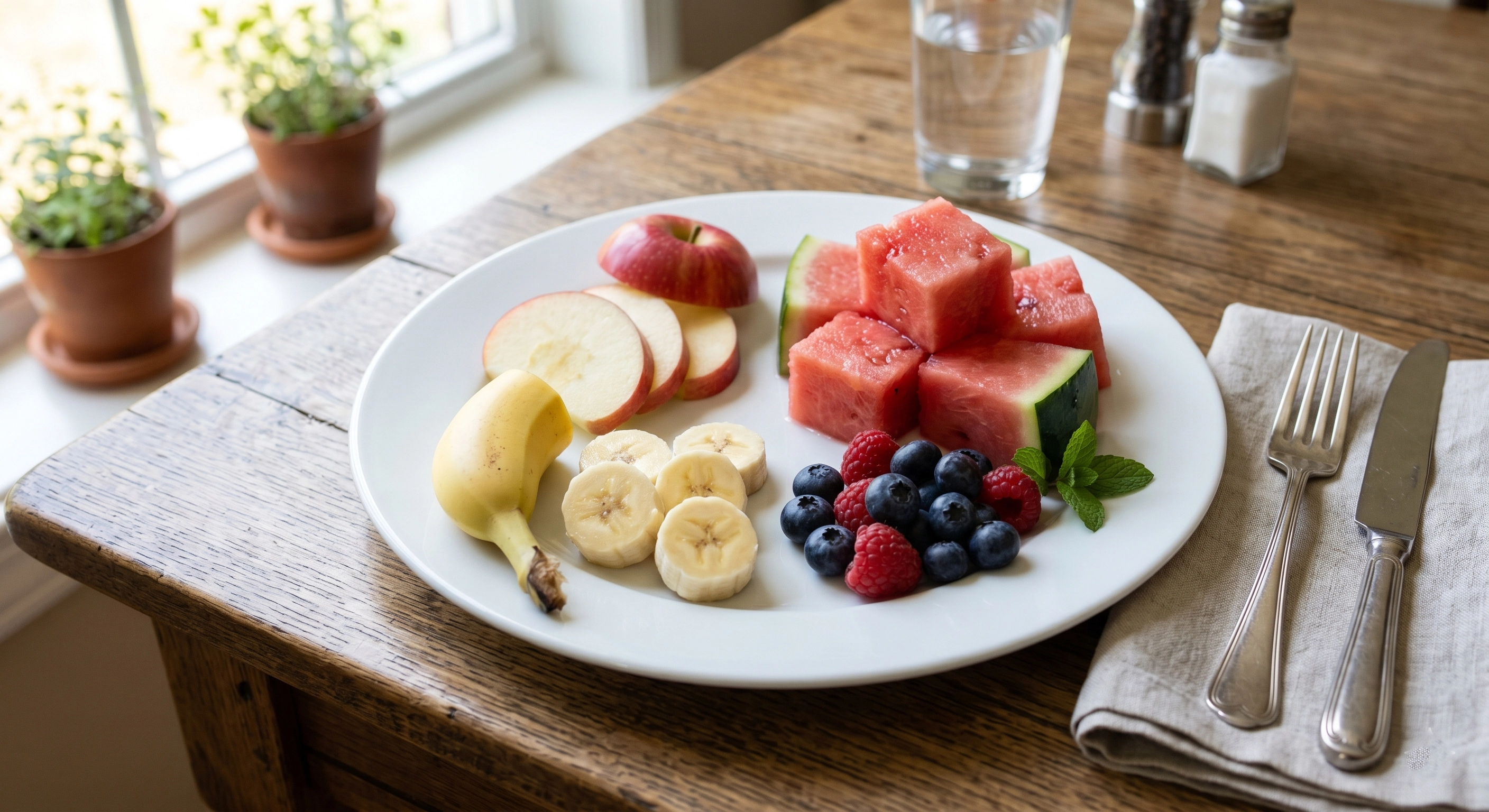
Banana vs. Berries
Berries are often easier to fit into a blood-sugar-conscious meal because a serving can feel generous while still being moderate in carbohydrates. They also pair well with yogurt, chia seeds, and nuts.
Banana is creamier and more filling for some people, but portion size matters more.
Banana vs. Apple
An apple takes longer to chew and may feel more filling, especially with the skin. Banana is softer and easier to eat quickly. For some people, this makes banana easier to overeat.
Banana vs. Grapes
Grapes are small and easy to keep eating without noticing the portion. Banana is easier to divide because you can choose half or a few slices.
Banana vs. Watermelon
Watermelon is refreshing and high in water, but portion still matters. Banana is denser and more filling for some people. Both can fit in different ways, depending on the meal and serving size.
The point is not to label one fruit as “good” and another as “bad.” It is better to understand how each fruit fits your plate.
Who Should Be More Careful With Bananas?
Some people may need to be more cautious with bananas, especially if they notice a strong blood sugar response.
This may include:
- people who see higher glucose readings after eating banana
- people who eat large bananas daily without considering total carbohydrates
- people who blend bananas into smoothies with several other sweet ingredients
- people using insulin or medications that require consistent carbohydrate planning
- people with kidney disease who have been told to watch potassium intake
- people managing gestational diabetes who need individualized meal guidance
If you are in one of these groups, it does not automatically mean banana is forbidden. It means you should be more intentional and may need personalized advice.
The 5-Question Banana Check
Before eating banana, ask yourself these five questions:
1. How Big Is the Banana?
A few slices, half a banana, a small banana, and a large banana are not the same. Size is one of the easiest ways to manage the impact of banana on your meal.
2. How Ripe Is It?
A slightly green banana may taste less sweet. A very ripe banana may taste much sweeter and may be easier to overeat or blend into high-carb foods.
3. Am I Eating It Alone?
Banana alone may not keep you full for long. Pairing it with protein, fat, or fiber may help some people feel more satisfied.
4. What Else Is in the Meal?
If your meal already includes bread, rice, cereal, oats, juice, or sweets, adding a banana may make the total carbohydrate amount higher than expected.
5. How Does My Body Respond?
Your personal response matters. Some people may feel fine after half a banana with yogurt. Others may notice sleepiness, hunger, cravings, or higher glucose readings after a ripe banana eaten alone.
This is why personal observation is important.
Practical Takeaway
Banana can be eaten in diabetes by some people, but it is best treated as a fruit that needs portion awareness.
A practical approach is:
- choose a smaller portion, such as half a banana
- avoid very large bananas if you are unsure
- pair banana with protein, fat, or fiber
- be careful with banana smoothies
- avoid stacking banana on top of an already high-carb meal
- notice your own blood sugar and hunger response
- ask a healthcare professional if you need personalized guidance
You do not need to fear bananas, but you also do not need to treat them as unlimited. A balanced middle ground is usually more useful than strict food rules.
When to Talk to a Healthcare Professional
Talk to a qualified healthcare professional, registered dietitian, or diabetes educator if:
- your blood sugar often rises after eating fruit
- you are unsure how to count carbohydrates
- you use insulin or glucose-lowering medication
- you are pregnant or managing gestational diabetes
- you have kidney disease or have been told to limit potassium
- you want a personalized meal plan
A professional can help you understand how banana and other fruits fit your individual needs.
FAQ
Can banana be eaten in diabetes every day?
Some people may be able to include banana regularly, but daily banana may not be right for everyone. Portion size, total carbohydrates, blood sugar response, medication, and the rest of the diet all matter. If you want banana often, smaller portions and balanced pairings may be more practical.
Is half a banana better than a whole banana for diabetes?
For many people watching blood sugar, half a banana may be easier to fit into a meal or snack than a whole large banana. It provides the taste of banana with fewer carbohydrates than a full portion.
Are ripe bananas worse for blood sugar?
Ripe bananas are sweeter because some starch changes into sugar as the banana ripens. Some people may notice a stronger blood sugar response to very ripe bananas, especially if eaten alone or in large portions. This does not mean ripe bananas are forbidden, but portion awareness becomes more important.
Can people with diabetes eat banana at night?
Banana at night is not automatically bad, but context matters. A large ripe banana eaten alone before bed may not work well for some people. A smaller portion with a balanced snack may be more suitable, depending on individual needs and glucose response.
Is banana better than sweets?
A whole banana provides nutrients and fiber that sweets usually do not. For some people, banana may be a better dessert choice than cookies or candy. However, banana still contains carbohydrates, so portion matters.
Can banana be added to oatmeal?
Yes, banana can be added to oatmeal, but be careful with the total carbohydrate amount. Oats already contain carbohydrates, so using a few banana slices or half a banana may be more balanced than adding a whole large banana plus honey or sugar.
Is banana smoothie good for diabetes?
A banana smoothie can be high in carbohydrates, especially if it includes a large banana, sweetened yogurt, juice, honey, or other fruits. Some people may do better with a smaller smoothie made with half a banana, unsweetened yogurt, and added fiber or protein.
Which is better for diabetes: banana or apple?
Neither is automatically better for everyone. Apple may be more filling for some people because it takes longer to chew and often includes skin. Banana may be convenient and satisfying, but portion and ripeness matter. The best choice depends on your meal, portion, and personal response.
Can banana cause a blood sugar spike?
Banana can raise blood sugar because it contains carbohydrates. Whether it causes a large spike depends on portion size, ripeness, what it is eaten with, activity level, and individual response.
Should people with diabetes avoid bananas completely?
Not necessarily. Many people may be able to include banana in a balanced eating pattern. A strict ban is not always needed, but large portions, very ripe bananas, smoothies, and high-carb meal combinations may need more caution.
You should also read:
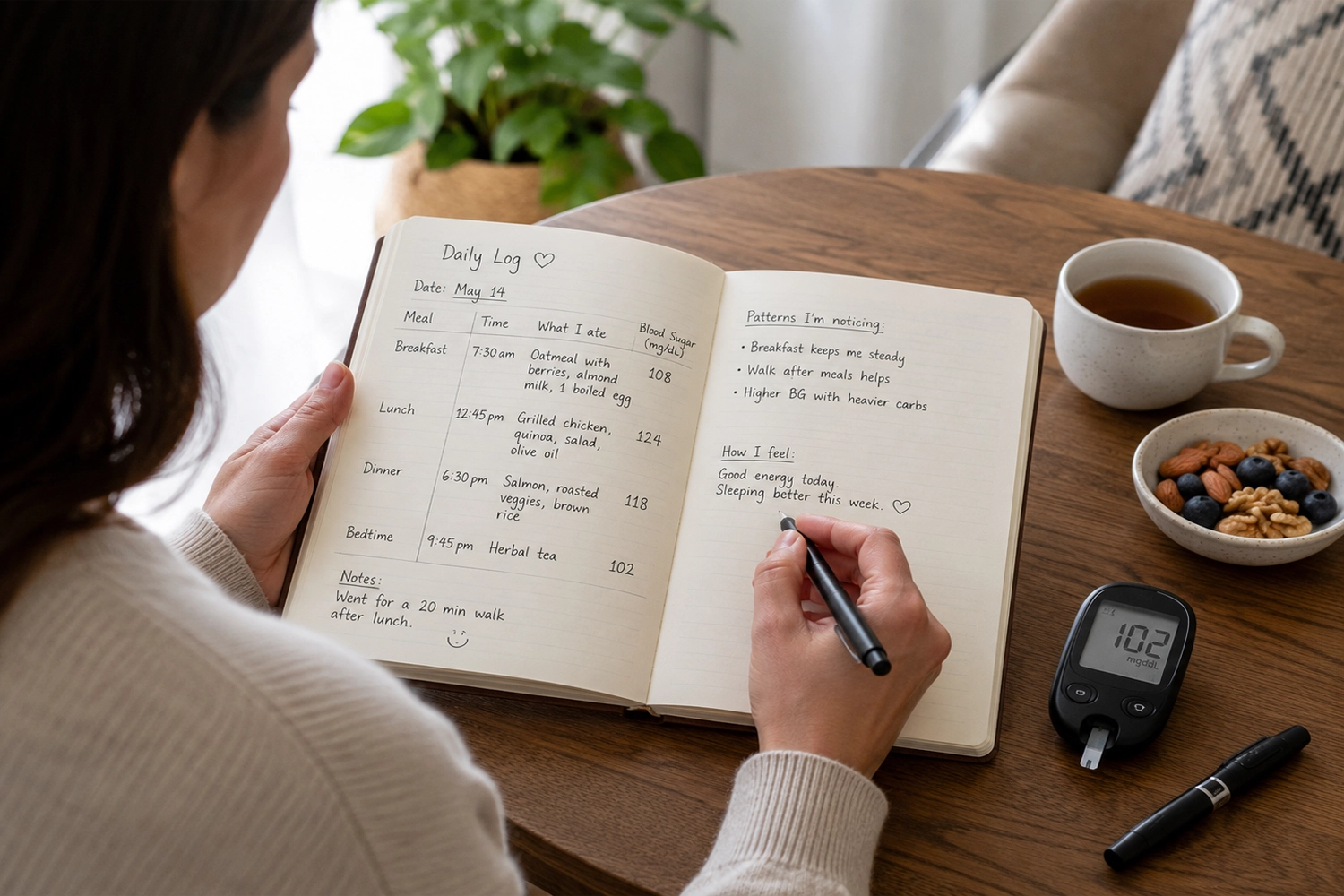
Blood Sugar Support in Real Life: What Actually Helps Day to Day?
If you have ever felt tired after a meal, craved something sweet in the afternoon, or felt confused by blood sugar numbers, the phrase “blood sugar support” can sound both helpful and vague. Some people use it to talk about food choices. Others use it…
Continue reading...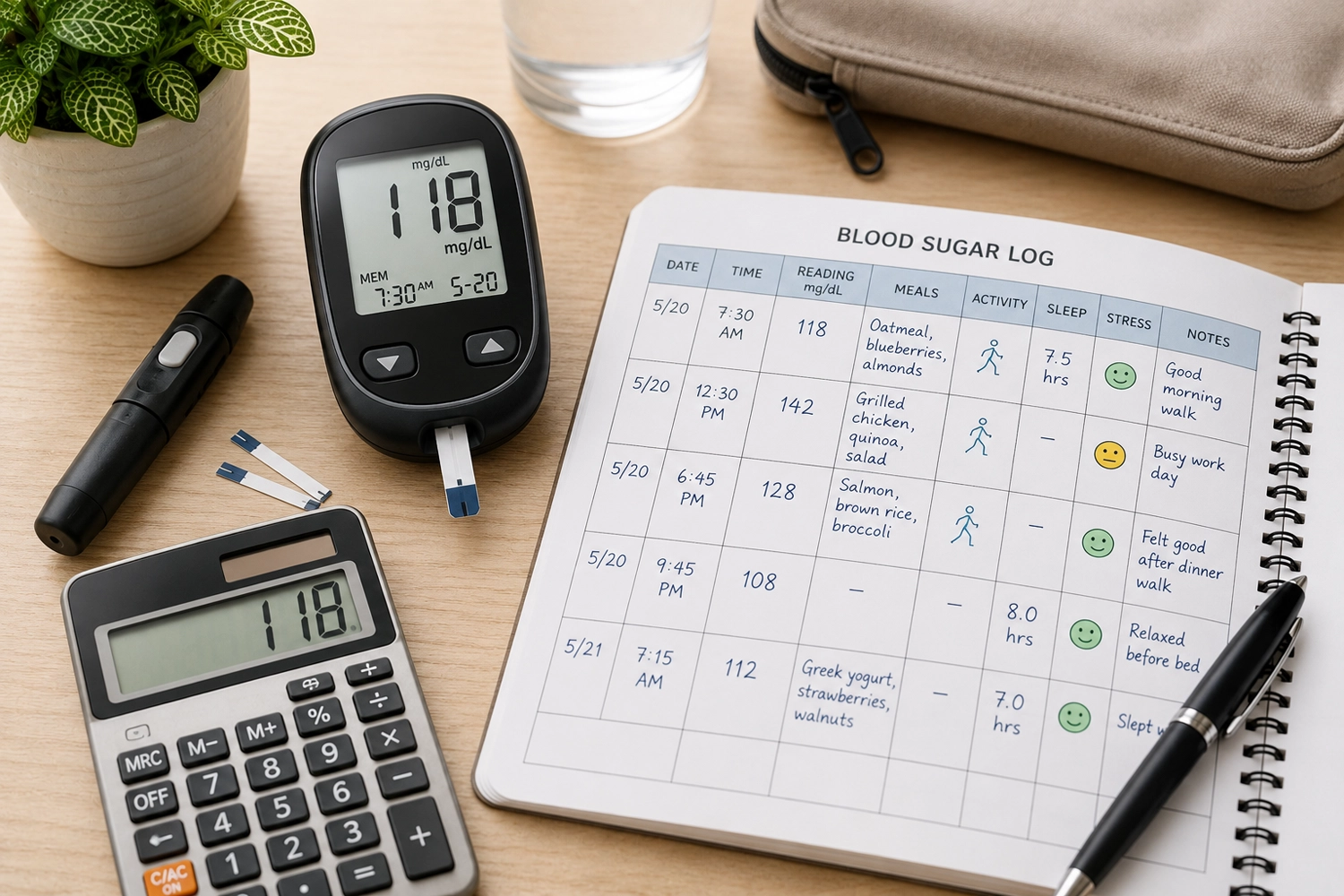
Glucose to A1C Calculator: How to Estimate A1C from Average Blood Sugar
If you track your blood sugar at home, you may already know numbers like 98, 126, 154, or 180 mg/dL. Then you go to a healthcare appointment and hear a different kind of number: your A1C. At first, it can feel like glucose readings and…
Continue reading...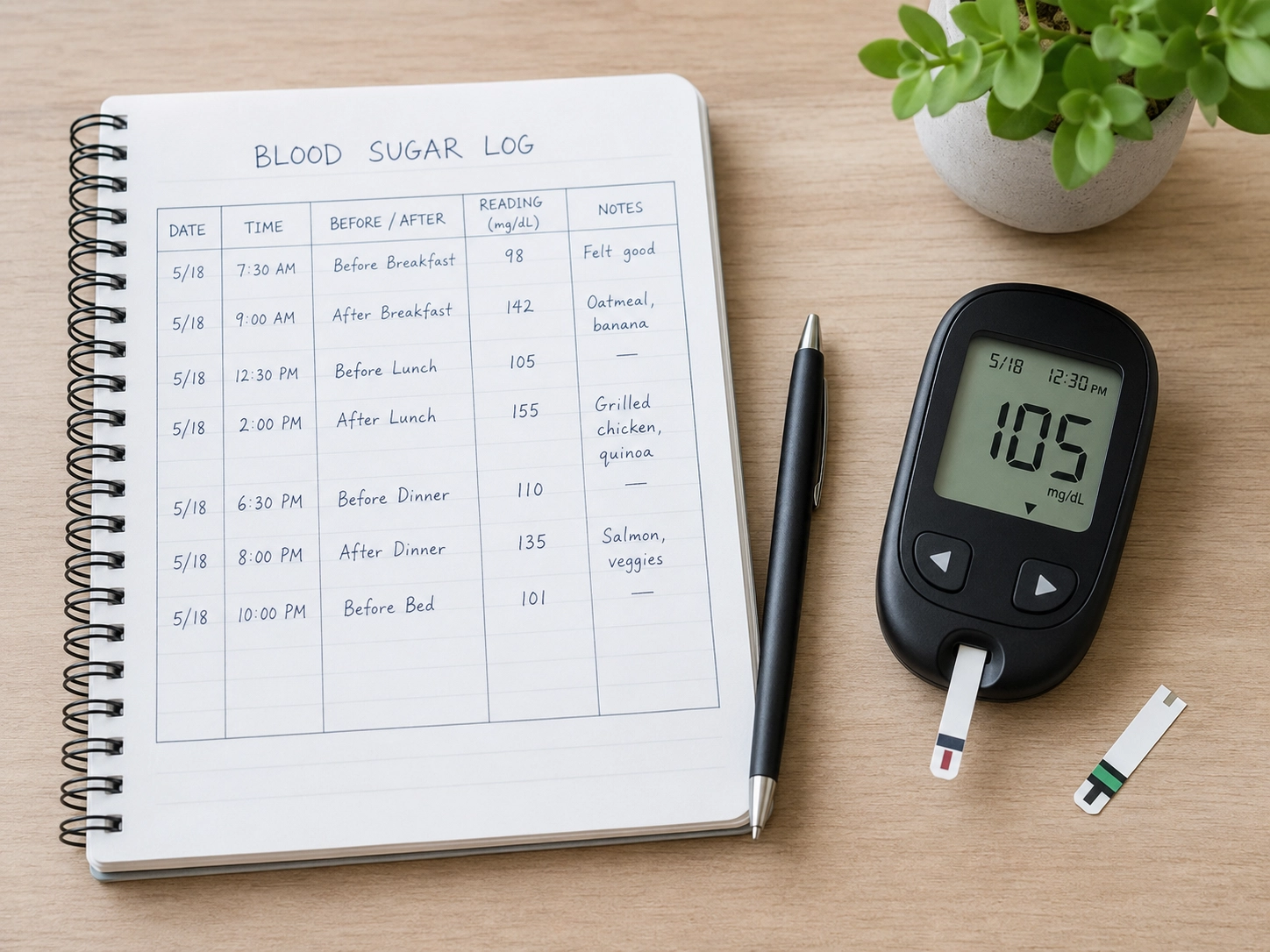
How to Use a Blood Sugar Log Without Feeling Overwhelmed
Checking your blood sugar can feel simple at first: test, see a number, write it down. But after a few days, many people realize the hard part is not getting the number. The hard part is understanding what the number means. Why was your morning…
Continue reading...