Diabetic Breakfast Ideas That Feel Realistic, Filling, and Easy to Repeat
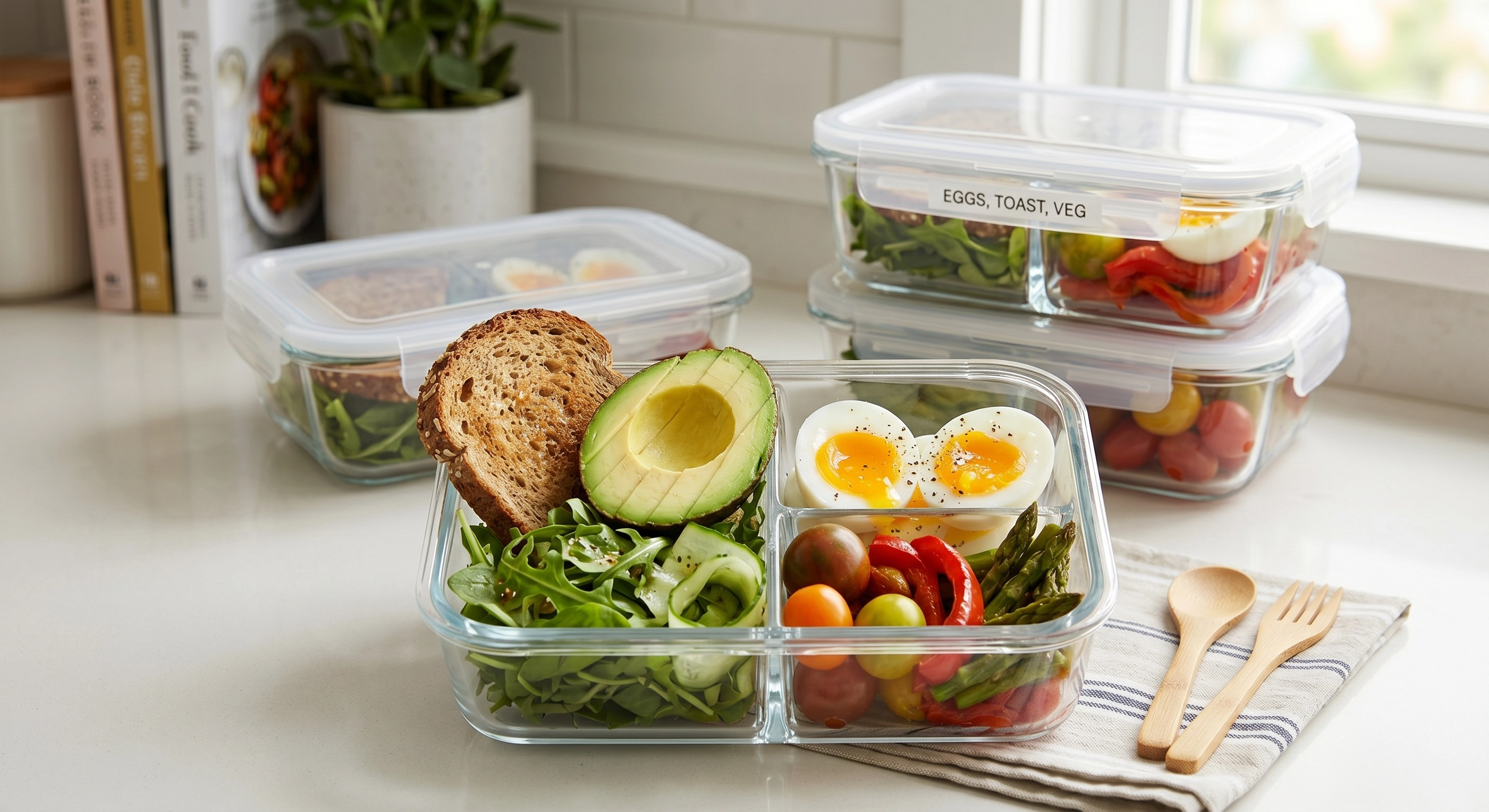
Breakfast can feel surprisingly complicated when you are paying attention to blood sugar.
Many common breakfast foods are quick and familiar: cereal, toast with jam, pastries, pancakes, fruit juice, sweetened yogurt, or a flavored coffee on the way to work. The problem is that some of these choices are mostly refined carbs and added sugar, with very little protein or fiber. For some people, that can mean feeling hungry again soon, dealing with an energy crash, or seeing higher blood sugar than expected.
But a better breakfast does not have to mean a perfect “diabetic meal.” It also does not mean removing every carb from your morning. A more useful goal is to build a breakfast that is balanced, satisfying, and realistic enough to repeat.
This guide shares practical diabetic breakfast ideas using a simple framework: protein + fiber + smart carbs + healthy fat. You can adjust the examples based on your appetite, budget, culture, schedule, and personal blood sugar response.
Health disclaimer: This article is for general education only and is not a substitute for medical advice. If you use insulin or glucose-lowering medication, have frequent blood sugar highs or lows, are pregnant, or have kidney disease or other medical conditions, talk with a healthcare professional or registered dietitian about breakfast choices that fit your needs.
What Makes a Breakfast More Blood-Sugar-Friendly?
A blood-sugar-friendly breakfast is not just about avoiding sugar. It is about how the whole meal works together.
A bowl of sweet cereal and orange juice may be quick, but it is often low in protein and fiber. A breakfast with eggs, vegetables, whole-grain toast, and avocado is different because the meal has protein, fiber, fat, and a more balanced carb portion.
That combination may help support steadier energy and better fullness for many people.
Protein helps make breakfast more satisfying
Protein is one of the easiest ways to make breakfast feel more complete. It slows the meal down, supports fullness, and may reduce the urge to snack soon after eating.
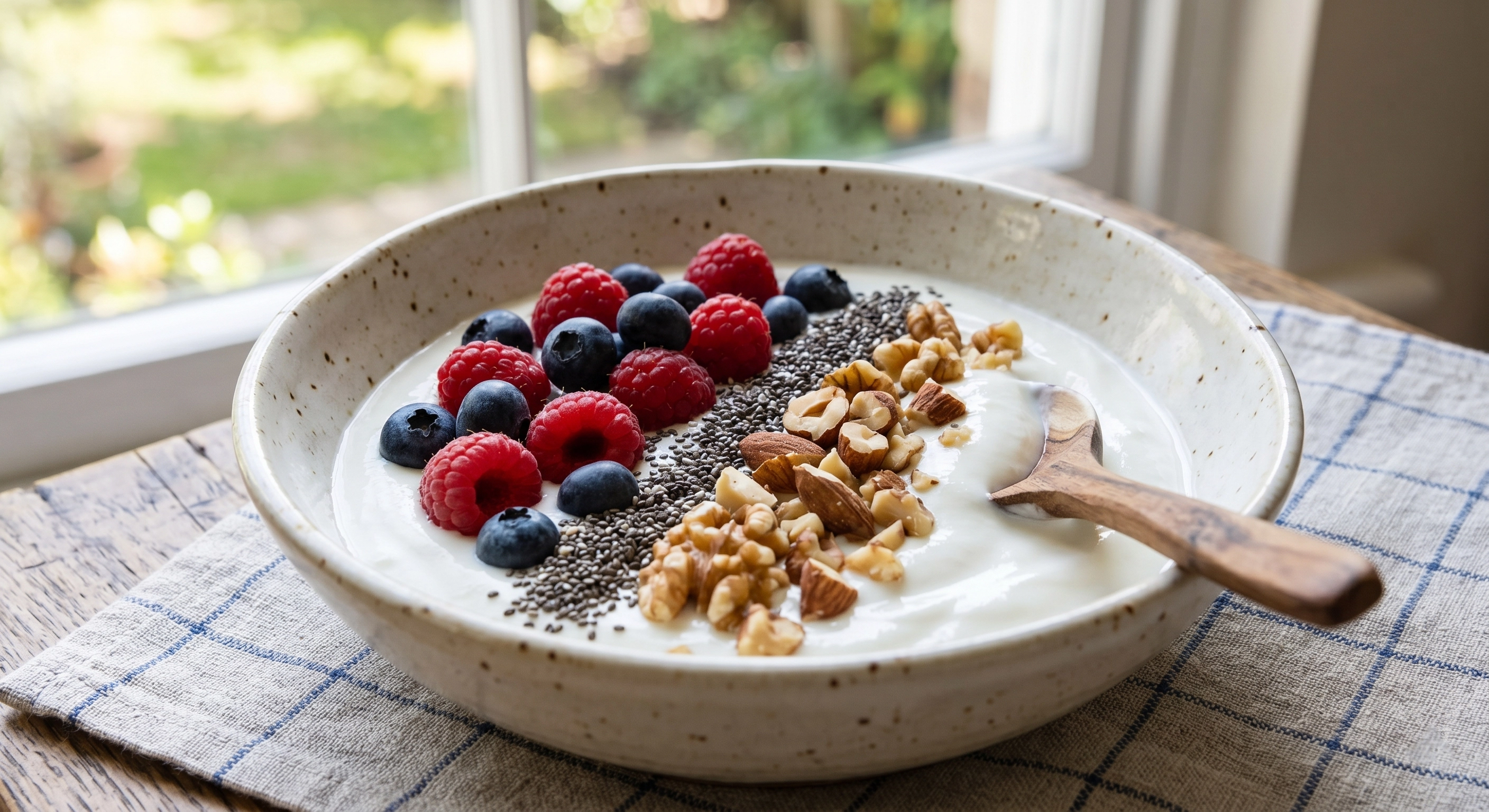
Good breakfast protein options include:
| Eggs | Tofu | Chicken or turkey |
| Plain Greek yogurt | Beans | Lean leftovers from dinner |
| Cottage cheese | Fish | Unsweetened protein powder, if appropriate for your diet |
You do not have to eat a huge amount. The goal is to make protein a regular part of breakfast instead of relying only on toast, cereal, or fruit.
Fiber helps slow the meal down
Fiber is found in foods such as vegetables, berries, oats, beans, lentils, chia seeds, flaxseed, nuts, and whole grains.
A breakfast with fiber tends to digest more slowly than a breakfast made mostly from refined flour or sugar. This may help some people feel fuller and more stable through the morning.
For example, plain oats with chia seeds, nuts, and Greek yogurt will usually be more balanced than instant flavored oatmeal with added sugar.
Carbohydrate quality and portion both matter
Carbs are not automatically “bad”. Many nutritious foods contain carbs, including fruit, oats, beans, lentils, milk, yogurt, and whole grains.
The bigger question is: What kind of carb is it, how much are you eating, and what are you eating with it?
White bread with jam and sweet coffee is very different from one slice of whole-grain toast with eggs and avocado. The carb is not alone; it is part of a meal.
Healthy fat can support fullness
Fat does not need to dominate breakfast, but small amounts can help with satisfaction.
Examples include:
- Avocado
- Nuts
- Seeds
- Olive oil
- Peanut butter or almond butter
- Chia or flaxseed
Portion still matters because fats are calorie-dense. A spoonful of nut butter can be helpful. Half a jar is a different story.
A Simple Formula for Better Diabetic Breakfast Ideas
Instead of memorizing a long list of “safe” foods, use this simple breakfast-building formula:
- Choose a protein anchor
Eggs, Greek yogurt, tofu, cottage cheese, beans, fish, or lean leftovers. - Add fiber
Vegetables, berries, chia seeds, flaxseed, oats, beans, or whole grains. - Choose a smart carb if you want one
Plain oats, whole-grain toast, berries, beans, lentils, or a small portion of whole fruit. - Add a little healthy fat
Avocado, nuts, seeds, olive oil, or nut butter. - Keep the drink low in sugar
Water, unsweetened tea, black coffee, or coffee with minimal unsweetened add-ins.
This framework is more useful than a strict meal plan because it helps you make better choices in real life.
Easy Diabetic Breakfast Ideas for Busy Mornings
A good breakfast is only helpful if you can actually make it. Here are practical options for different types of mornings.
5-minute breakfasts
These ideas work when you are tired, late, or not in the mood to cook.
Greek yogurt bowl
Use plain Greek yogurt, berries, chia seeds, and a small handful of nuts. Avoid sweetened yogurt if possible, or compare labels carefully.
Boiled eggs with fruit and nuts
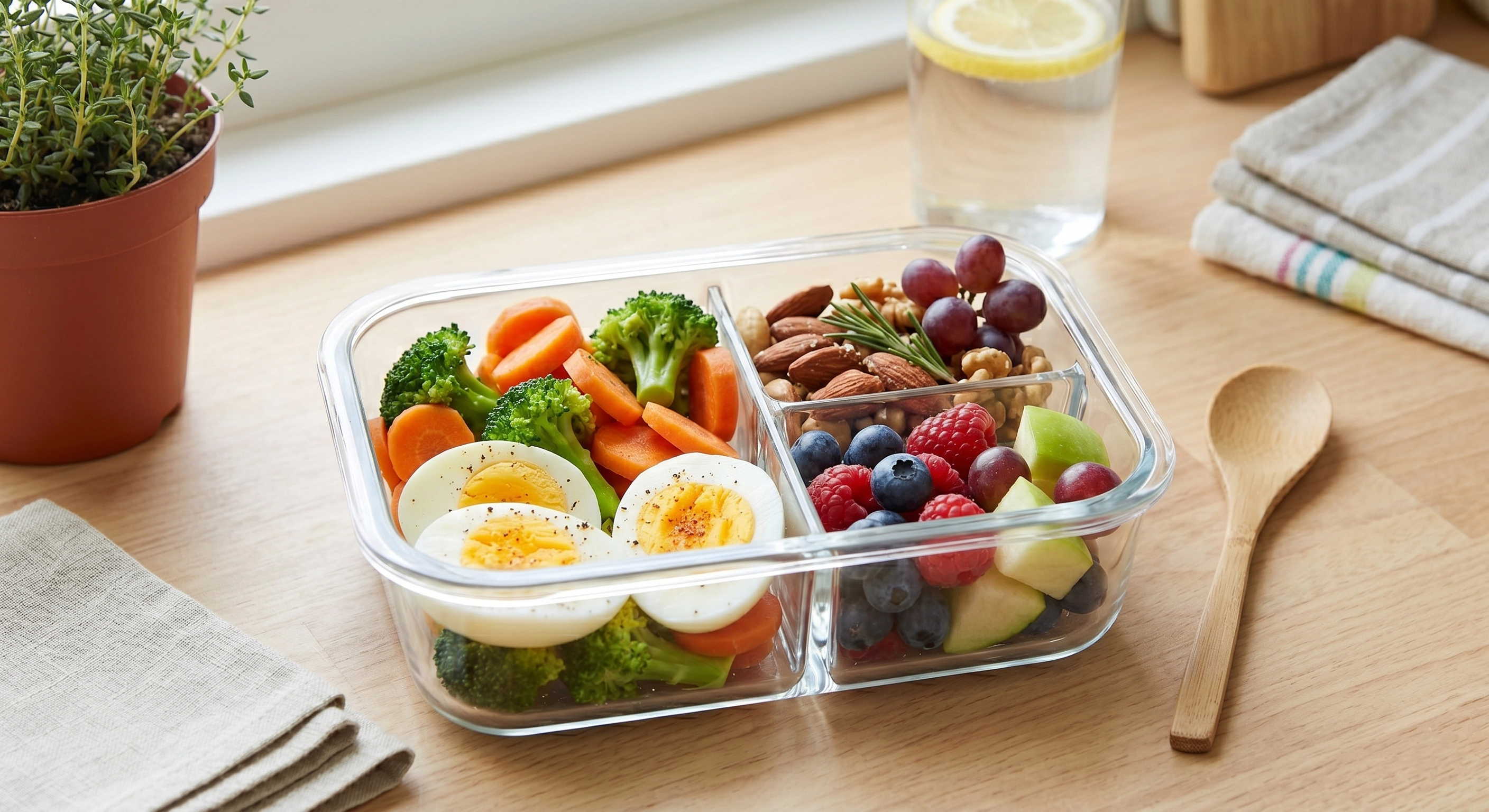
Two boiled eggs with a small apple and a few nuts can be simple and portable.
Cottage cheese bowl
Try cottage cheese with cucumber, tomato, black pepper, and seeds for a savory option. Or pair it with berries and walnuts.
Whole-grain toast with peanut butter
Choose whole-grain toast, add peanut butter, and pair it with a boiled egg or plain yogurt for more protein.
Leftover protein and vegetables
Breakfast does not have to look like breakfast. Leftover chicken, tofu, fish, beans, or vegetables can work well.
Make-ahead breakfasts
These are useful if mornings are rushed.
Egg muffins
Mix eggs with spinach, peppers, onions, mushrooms, or other vegetables. Bake in a muffin tin and store in the fridge.
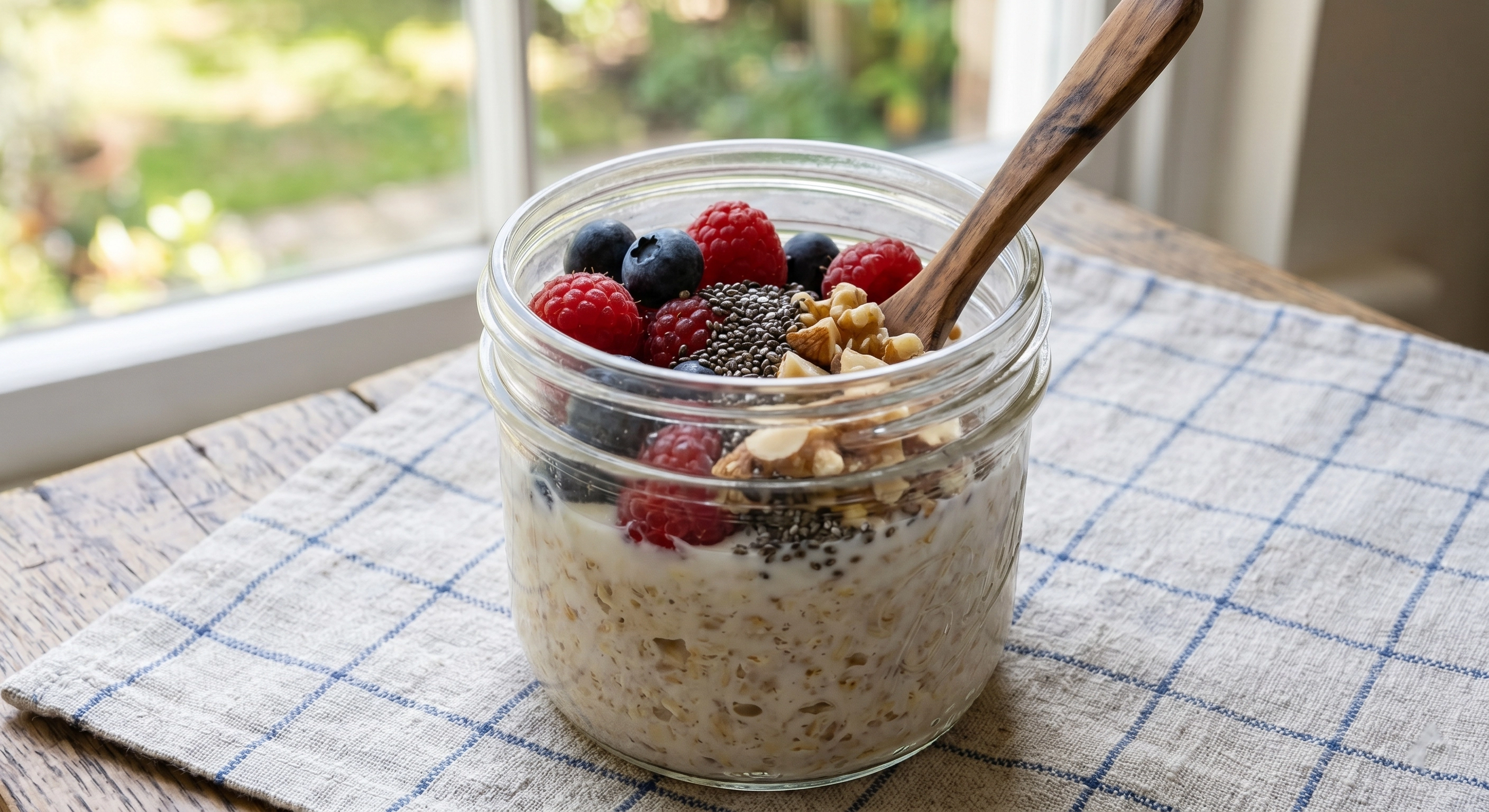
Overnight oats with chia seeds
Use plain oats, chia seeds, unsweetened milk or yogurt, cinnamon, and berries. Keep the portion moderate and avoid honey-heavy recipes.
Breakfast boxes
Prepare small containers with boiled eggs, cucumber, cherry tomatoes, nuts, and a small fruit portion.
Vegetable frittata
Make once and eat for several days. Pair with salad, avocado, or a small portion of whole-grain toast.
Unsweetened yogurt jars
Layer plain Greek yogurt with berries, flaxseed, and nuts. Keep granola small if you use it, because many granolas are high in sugar.
No-cook options
No-cook breakfasts are helpful for hot weather, office mornings, or low-energy days.
- Plain Greek yogurt with berries and seeds
- Cottage cheese with cucumber and walnuts
- Tuna lettuce wraps
- Apple slices with peanut butter and a boiled egg
- Hummus with vegetables and whole-grain crackers
- Tofu with salad-style vegetables and sesame seeds
Diabetic Breakfast Ideas with Eggs
Eggs are a popular breakfast choice because they are high in protein, affordable in many places, and easy to prepare.
Simple egg-based meals
Scrambled eggs with vegetables
Add spinach, mushrooms, tomatoes, onions, or peppers. Pair with avocado or one slice of whole-grain toast.
Vegetable omelet
Use eggs with non-starchy vegetables and a small amount of cheese if you like. Serve with tomato slices or salad.
Boiled eggs with whole-grain toast
This is simple, portable, and more balanced than toast alone.
Egg muffins
Good for meal prep. Add vegetables and store them for busy mornings.
What to watch with egg breakfasts
Eggs can be a useful protein source, but the full breakfast still matters.
For example, eggs with vegetables and avocado are different from eggs with a large portion of hash browns, white toast, processed meat, and sweetened coffee.
The goal is not to fear one food. It is to look at the whole plate.
Diabetic Breakfast Ideas Without Eggs
Not everyone likes eggs, and some people get bored eating them every day. There are many egg-free options.
Greek yogurt bowls
Use plain, unsweetened Greek yogurt as the base. Add berries, chia seeds, flaxseed, cinnamon, and a small handful of nuts.
This can feel sweet without needing a lot of added sugar.
Balanced oatmeal
Oatmeal can fit into breakfast for some people, but the details matter.
A better oatmeal bowl might include:
- Plain oats
- Chia or flaxseed
- Peanut butter or nuts
- Cinnamon
- Berries
- A protein side, such as Greek yogurt or a boiled egg
Try to be careful with instant flavored packets, large portions, honey-heavy toppings, dried fruit, and sweetened milk.
Tofu scramble
Tofu scramble is a good plant-based option. Cook tofu with turmeric, pepper, spinach, mushrooms, onions, or peppers. Pair it with avocado or a small portion of whole-grain toast.
Beans or lentils
Beans and lentils provide both carbs and fiber, plus some protein. A small bowl of beans with vegetables and a little olive oil can be a satisfying savory breakfast.
Savory leftovers
Many people think breakfast must be cereal, bread, or eggs. It does not.
Leftover grilled chicken with vegetables, tofu with greens, or salmon with cucumber can be a practical breakfast. If it is balanced and works for your body, it counts.
Can People with Diabetes Eat Oatmeal, Bread, or Fruit for Breakfast?
This is where many readers feel confused. The answer is usually not “always yes” or “always no.” It depends on the portion, pairing, and individual response.
Oatmeal
Plain oats can be a better choice than sugary cereal for many people, especially when paired with protein, fat, and fiber. But a large bowl of oats with honey, brown sugar, dried fruit, and sweetened milk may be too carb-heavy for some people.
A more balanced version: plain oats with chia seeds, cinnamon, berries, peanut butter, and Greek yogurt on the side.
Bread
Bread is not automatically off-limits. But white bread with jam is very different from one slice of whole-grain toast with eggs or avocado.
If you eat bread, consider:
- Choosing higher-fiber options
- Watching portion size
- Pairing it with protein
- Avoiding sugary toppings most of the time
Fruit
Whole fruit can fit into many balanced eating patterns. The key is portion and form.
Whole fruit comes with fiber. Fruit juice is different because it is liquid and easier to consume quickly. A glass of orange juice can contain the carbs from several oranges without the same fullness.
Better options may include berries, apple slices with peanut butter, or a small fruit portion paired with protein.
Coffee
Coffee itself is not usually the main issue. The problem is often what gets added to it.
Flavored syrups, sweetened creamers, whipped toppings, and sugary coffee drinks can turn coffee into dessert. Black coffee, unsweetened coffee, or coffee with a small amount of unsweetened milk may be a better everyday choice for many people.
Breakfasts That May Cause Problems for Some People
Some breakfasts look normal, convenient, or even healthy, but may not be very balanced.
Sugary cereal and granola
Cereal and granola can be tricky. Some options are high in added sugar and low in protein. Even granola that looks healthy may contain sweeteners and be easy to overeat.
A better approach is to compare labels and pair small portions with Greek yogurt, nuts, and berries.
Pastries, muffins, and sweet breads
Muffins, croissants, donuts, and sweet breads often combine refined flour, sugar, and fat. They may taste satisfying in the moment but may not keep you full for long.
This does not mean you can never enjoy them. But they are usually better as occasional foods, not daily breakfast foundations.
Fruit juice and fruit-heavy smoothies
Smoothies can be healthy-looking but still carb-heavy if they include banana, mango, honey, juice, and sweetened yogurt.
A more balanced smoothie might use unsweetened Greek yogurt, leafy greens, chia seeds, a smaller fruit portion, and water or unsweetened milk instead of juice.
Low-fat sweetened products
Low-fat does not always mean better. Some low-fat yogurts or breakfast products add sugar to improve taste. Always look at the full picture: protein, fiber, added sugar, and portion size.
Real-Life Breakfast Scenarios
Scenario 1: The busy worker
You leave home quickly and usually buy a pastry and sweet coffee. A more balanced option could be plain Greek yogurt with nuts and berries, plus unsweetened coffee. Another option is boiled eggs, fruit, and nuts packed the night before.
The goal is not a perfect breakfast. The goal is a breakfast that does not depend on impulse buying every morning.
Scenario 2: The person who wakes up very hungry
If you wake up hungry and eat only toast, you may feel unsatisfied. Try building a fuller breakfast: eggs with vegetables, avocado, and one slice of whole-grain toast. Or try tofu scramble with vegetables and a small portion of beans.
Protein and fiber can make a big difference in fullness.
Scenario 3: The person who is not hungry in the morning
Some people cannot handle a large breakfast. In that case, choose something light but balanced.
Examples:
- Greek yogurt with chia seeds
- Cottage cheese with cucumber
- A boiled egg with a few nuts
- A small smoothie with protein and fiber
If you use medication that requires food, ask your healthcare professional what is appropriate.
Scenario 4: The person eating breakfast outside
At a cafe or convenience store, look for protein first.
Possible choices:
- Egg-based breakfast with vegetables
- Plain yogurt with nuts
- Tuna or chicken salad option
- Whole-grain toast with eggs
- Unsweetened drink instead of juice or sweet coffee
You may not get a perfect meal, and that is okay. Choose the best available option.
Practical Breakfast Checklist
Before choosing breakfast, ask:
- Does this meal include protein?
- Does it include fiber?
- Is the main carb refined or higher-fiber?
- Is there added sugar in the drink, yogurt, cereal, sauce, or topping?
- Will this keep me full for a few hours?
- Is this breakfast realistic for my schedule?
- Can I repeat this without feeling punished?
This checklist is often more useful than chasing one perfect diabetic breakfast.
Common Mistakes to Avoid
Only removing sugar but ignoring refined carbs
Sugar matters, but refined starches can matter too. White bread, crackers, pastries, and many cereals may still affect blood sugar even if they do not taste extremely sweet.
Eating a tiny breakfast and getting hungry later
Some people try to control blood sugar by eating very little. But if breakfast is too small, it may lead to cravings, snacking, or overeating later. A balanced meal is often more realistic than a very restrictive one.
Assuming all healthy-looking foods are balanced
Granola bowls, acai bowls, smoothies, flavored yogurt, and low-fat products can look healthy but still contain a lot of sugar or fast-digesting carbs.
Thinking carbs are completely forbidden
Some people do better with fewer carbs at breakfast, while others can include moderate portions of higher-fiber carbs. Individual responses vary. The best approach is to learn your own patterns and get professional guidance when needed.
Copying a strict meal plan that does not fit your life
A breakfast plan only works if you can actually follow it. If a meal is too expensive, too boring, or too difficult, it probably will not last.
When to Talk to a Healthcare Professional
General breakfast ideas can be helpful, but some situations need personalized advice.
Consider talking with a healthcare professional or registered dietitian if:
- You take insulin or glucose-lowering medication
- You often have low blood sugar
- Your morning blood sugar is frequently high
- You are pregnant or planning pregnancy
- You have kidney disease, heart disease, or other medical conditions
- You are unsure how many carbs are appropriate for you
- You want to change your eating pattern significantly
Food choices can support better habits, but they should not replace medical care.
FAQ
What is a good breakfast for someone with diabetes?
A good breakfast usually includes protein, fiber, and a thoughtful carb choice if carbs are included. Examples include eggs with vegetables, plain Greek yogurt with berries and chia seeds, tofu scramble, cottage cheese with nuts, or balanced oatmeal with protein and healthy fat.
Are eggs good for a diabetic breakfast?
Eggs can be a useful breakfast protein for many people. They are usually more helpful when paired with vegetables, avocado, or a moderate portion of whole-grain toast instead of refined carbs and sugary drinks.
Can people with diabetes eat oatmeal for breakfast?
Some people can include oatmeal, especially plain oats paired with protein, fat, and fiber. Portion size and toppings matter. Sweetened instant oatmeal, large portions, honey, and dried fruit may be less suitable for some people.
Is toast okay for breakfast?
Toast can fit for some people, especially if it is whole-grain, portion-controlled, and paired with protein such as eggs, cottage cheese, tofu, or nut butter. Toast with jam alone may be less balanced.
Is fruit okay in the morning?
Whole fruit can fit into a balanced breakfast for many people. Pairing fruit with protein or fat may help with fullness. Fruit juice is different from whole fruit because it is easier to drink quickly and contains less fiber.
Are smoothies good for diabetes?
Smoothies can be balanced, but they can also become very high in sugar if made with juice, honey, sweetened yogurt, and large amounts of fruit. A better smoothie usually includes protein, fiber, and a smaller fruit portion.
What can I eat if I am not hungry in the morning?
Try something small and balanced, such as Greek yogurt with chia seeds, a boiled egg with nuts, cottage cheese with cucumber, or a small protein-rich smoothie. If you take medication that requires food, ask your healthcare provider for guidance.
What is a quick breakfast for work?
Good quick options include boiled eggs with fruit and nuts, plain Greek yogurt with berries, cottage cheese with vegetables, tuna lettuce wraps, or overnight oats with chia seeds and a protein side.
Practical Takeaway
The best diabetic breakfast ideas are not about perfection. They are about building meals that are steady, satisfying, and repeatable.
Start with one simple formula:
Protein + fiber + smart carb + healthy fat + low-sugar drink
You do not need to change everything at once. You might start by replacing juice with water, adding eggs to toast, choosing plain yogurt instead of sweetened yogurt, or adding chia seeds and nuts to oatmeal.
Small breakfast upgrades can make mornings feel less confusing and more manageable.
You should also read:
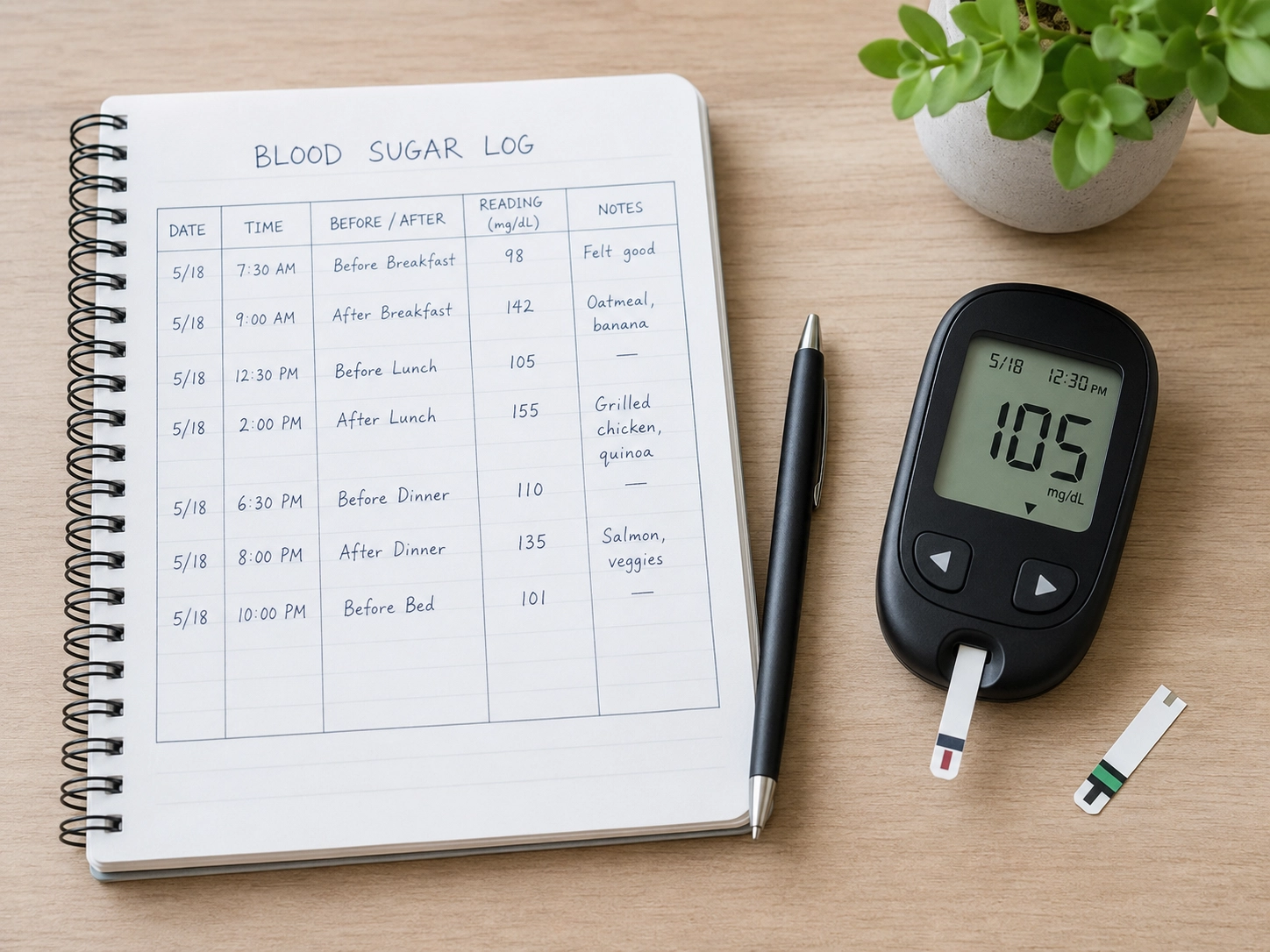
How to Use a Blood Sugar Log Without Feeling Overwhelmed
Checking your blood sugar can feel simple at first: test, see a number, write it down. But after a few days, many people realize the hard part is not getting the number. The hard part is understanding what the number means. Why was your morning…
Continue reading...
Feeling Sleepy After Meals? Why 10 Minutes of Movement May Be Worth Trying
Feeling sleepy after meals is easy to dismiss. A heavy lunch makes the afternoon feel slower. Dinner ends, and the couch suddenly looks much more inviting. Even a small meal or a simple drink can sometimes leave the body feeling less alert than expected. For…
Continue reading...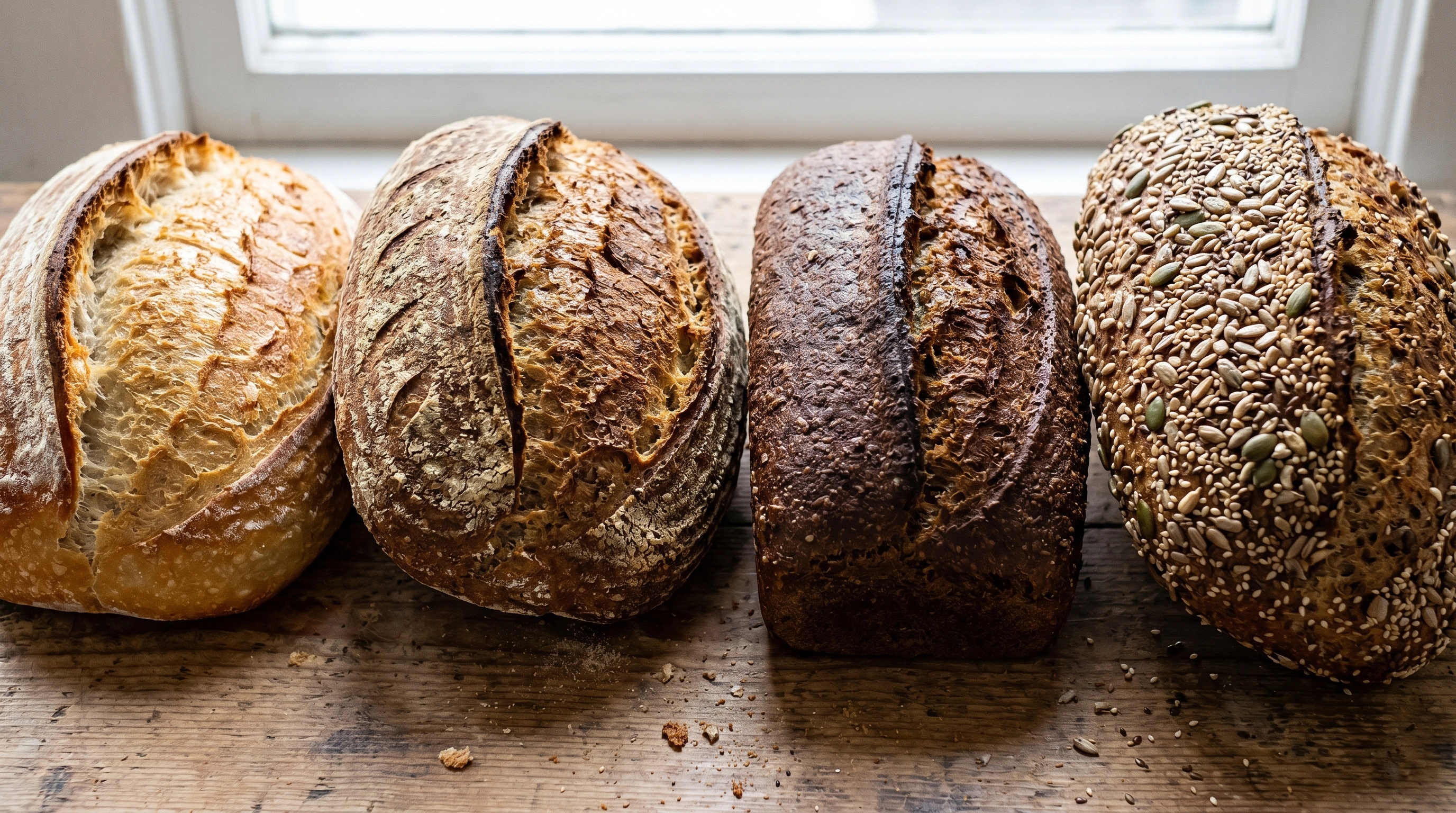
Is Sourdough Bread Good for Diabetics? What to Know Before You Eat It
Sourdough bread has a strong “health halo.” It sounds traditional, natural, fermented, and more wholesome than regular white bread. So if you are trying to manage blood sugar, it is easy to wonder: is sourdough bread good for diabetics, or is it just another bread…
Continue reading...