Snacks for Diabetics: What to Eat When You’re Hungry, Busy, or Craving Something?
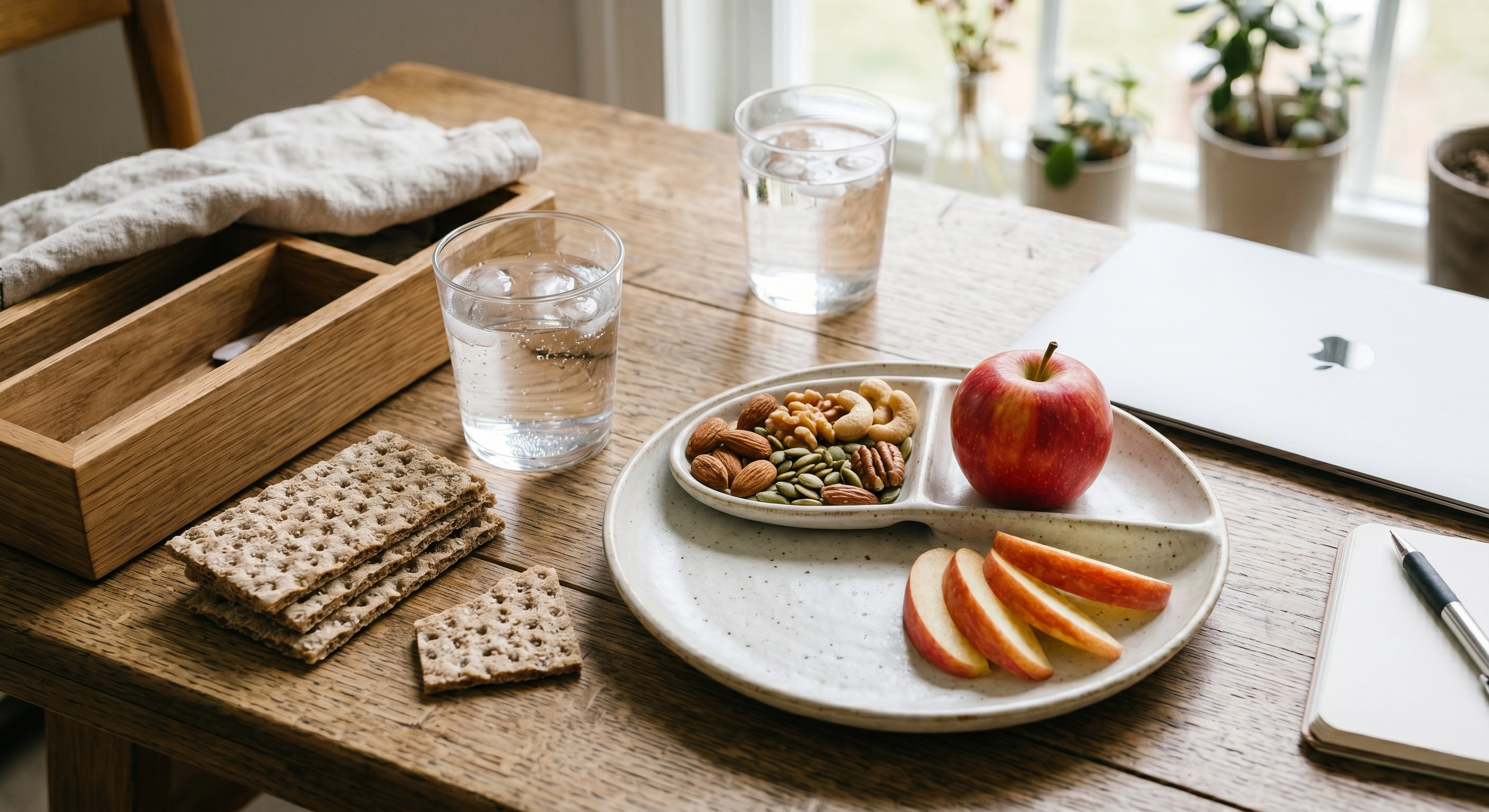
Snacking can feel surprisingly stressful when you are trying to manage blood sugar.
You may feel hungry between meals, but then hesitate in front of the pantry. Is fruit okay? Are crackers too high in carbs? Is popcorn better than chips? Should you avoid snacks completely?
The answer is not as simple as “eat this” and “never eat that.” For many people, better snacking is about choosing foods that are more filling, less sugar-heavy, and easier to portion. A snack does not need to be perfect. It just needs to fit your body, your routine, and your health plan.
This guide is not a strict meal plan. Instead, it will help you understand how to choose snacks in real life: at work, at night, while traveling, or when cravings hit.
Health disclaimer: This article is for general education only and is not a substitute for medical advice. If you have diabetes, use insulin, take glucose-lowering medication, are pregnant, or experience frequent high or low blood sugar, talk with a healthcare professional about snack timing and food choices.
What Makes a Snack More Blood Sugar-Friendly?
A better snack for blood sugar is usually not just “low sugar.” It is often a snack that gives your body something slower and more satisfying to digest.
That usually means some combination of:
- Protein
- Fiber
- Healthy fat
- A sensible portion
- Less added sugar
This does not mean every snack has to be low-carb or boring. It means the snack should help you feel satisfied without relying mostly on refined carbs or added sugar.
It Usually Includes Protein, Fiber, or Healthy Fat
Protein can help a snack feel more filling. Fiber slows digestion and can support steadier energy. Healthy fats can also help with satisfaction, especially when paired with a small portion of carbohydrate.
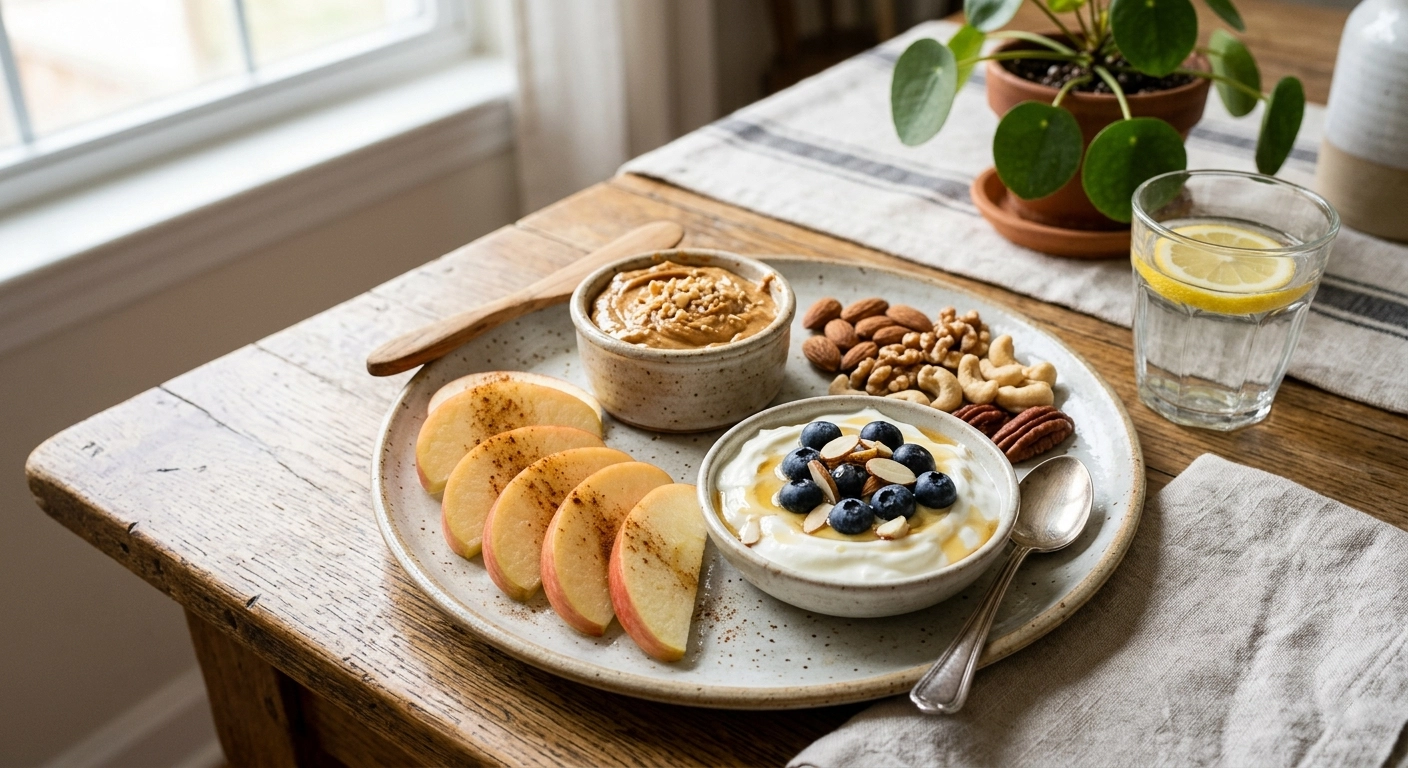
For example:
- Greek yogurt with berries
- Apple slices with peanut butter
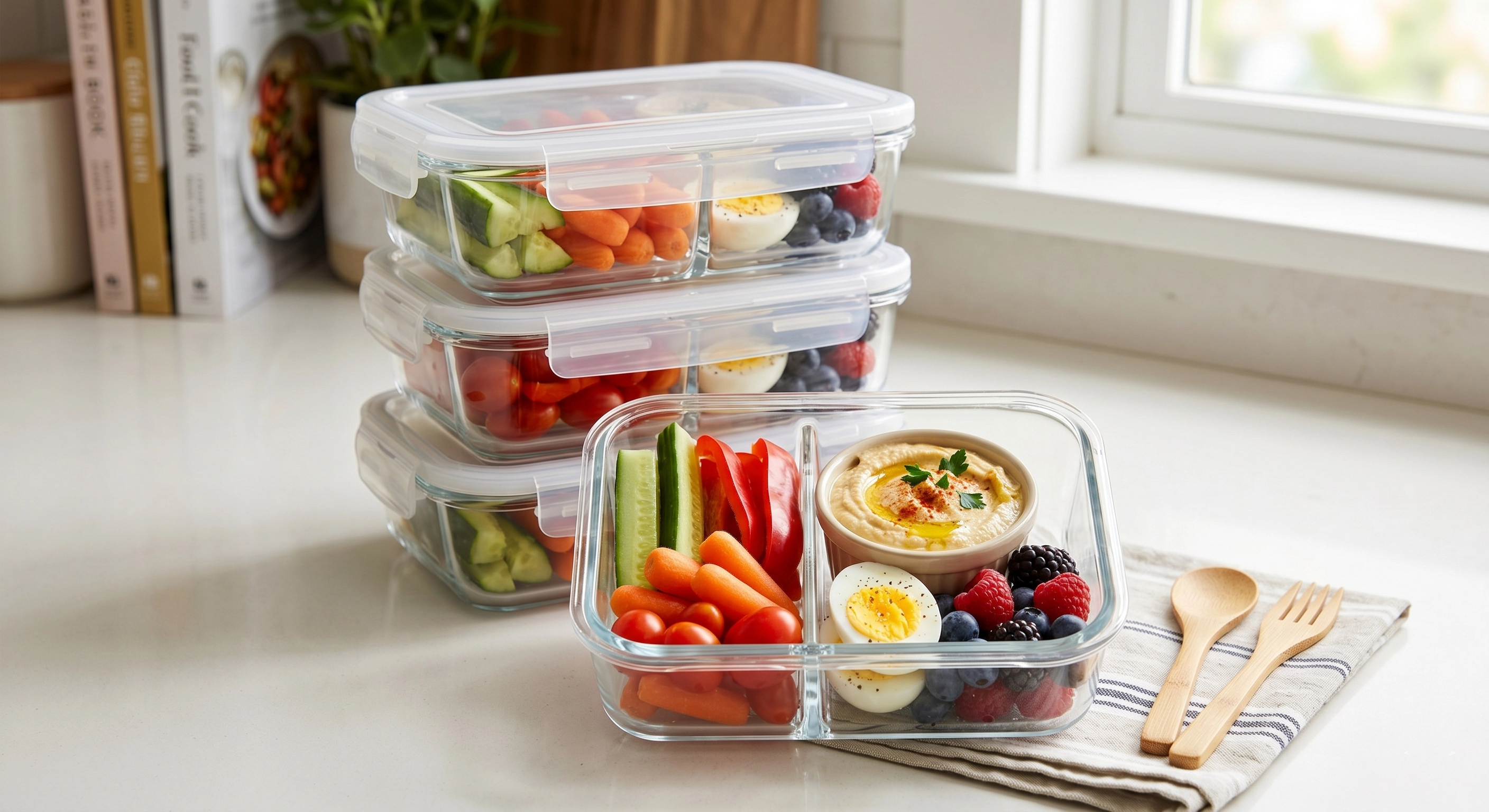
- Carrot sticks with hummus
- Whole-grain crackers with cheese
- A boiled egg with cucumber slices
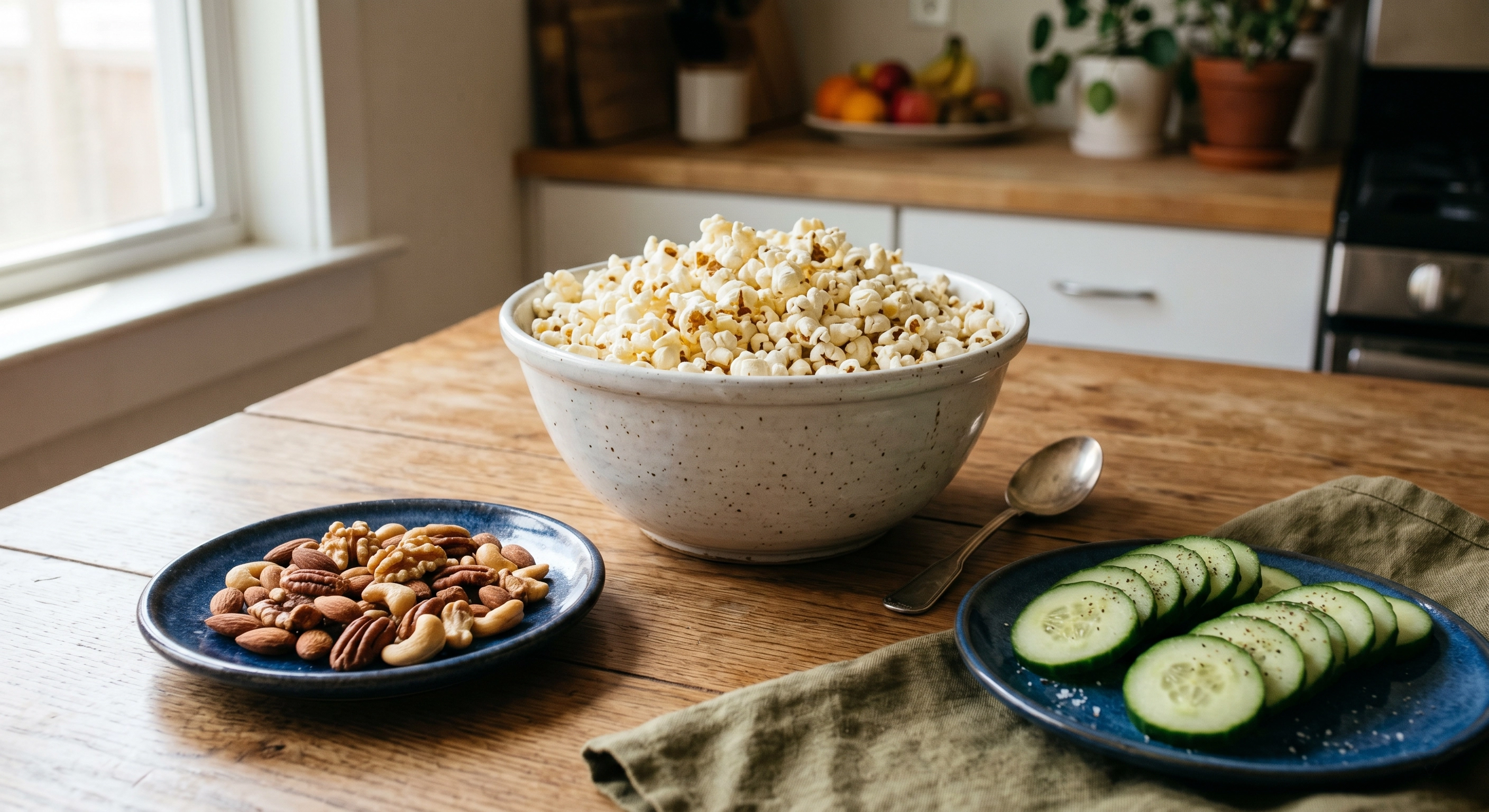
- Air-popped popcorn with a small handful of nuts
These snacks are not “magic” foods. They do not guarantee a perfect blood sugar response. But for many people, they are more balanced than eating candy, sweet pastries, chips, or sugary drinks alone.
It Is Not Only About Carbs
Carbohydrates matter because they affect blood sugar. But that does not mean all carb-containing foods are automatically bad.
A small apple is different from a large sweetened drink. Plain oats are different from frosted cereal. Beans are different from cookies. Whole fruit is different from fruit juice.
Portion size and food pairing also matter. Some people may find that fruit alone leaves them hungry quickly, while fruit paired with nuts, yogurt, or cheese feels more satisfying.
A helpful question is not only:
“Does this snack have carbs?”
A better question is:
“What else comes with the carbs, and how much am I eating?”
It Keeps Added Sugar in Check
Many packaged snacks look healthy on the front of the package but are still high in added sugar or refined flour.
Words like “natural,” “low fat,” “organic,” or “energy” do not automatically mean the snack is a good fit for blood sugar-conscious eating.
A granola bar, flavored yogurt, smoothie bottle, or breakfast biscuit may sound healthy but still contain a lot of added sugar. This does not mean you can never eat them. It simply means the label is worth checking.
A Simple Snack Formula You Can Use Anywhere
Instead of memorizing a long list, use this simple formula:
Better snack = fiber or slow carb + protein or healthy fat + sensible portion
You do not need all three every time, but this formula helps you build a snack that is more filling and less likely to become a quick sugar-heavy bite.
The Wakadam Snack Formula
When possible, choose one or two from these groups:
- Fiber or slower carbs
Examples:
| Berries | Raw vegetables | Oats |
| Apple slices | Beans or chickpeas | Air-popped popcorn |
| Pear slices | Whole-grain crackers |
- Protein
Examples:
| Greek yogurt | Tuna | Edamame |
| Boiled eggs | Cheese | Turkey slices |
| Cottage cheese | Tofu |
- Healthy fat
Examples:
| Nuts | Peanut butter | Guacamole |
| Seeds | Almond butter | |
| Avocado | Hummus |
- Portion boundary
Examples:
| A small bowl | A snack box | Half a fruit instead of a large portion |
| One measured serving | A small container | A handful instead of eating from the bag |
The portion boundary is important. Even healthy snacks can become less helpful when eaten mindlessly.
Easy Snacks for Diabetics by Real-Life Situation
Most people do not snack in perfect conditions. You snack when you are busy, tired, stressed, traveling, or trying not to overeat before dinner.
So let’s organize snack ideas by real life, not just by food category.
Quick Snacks for Work or Your Desk
Work snacks need to be simple. They should not require cooking, and ideally they should not create a mess.
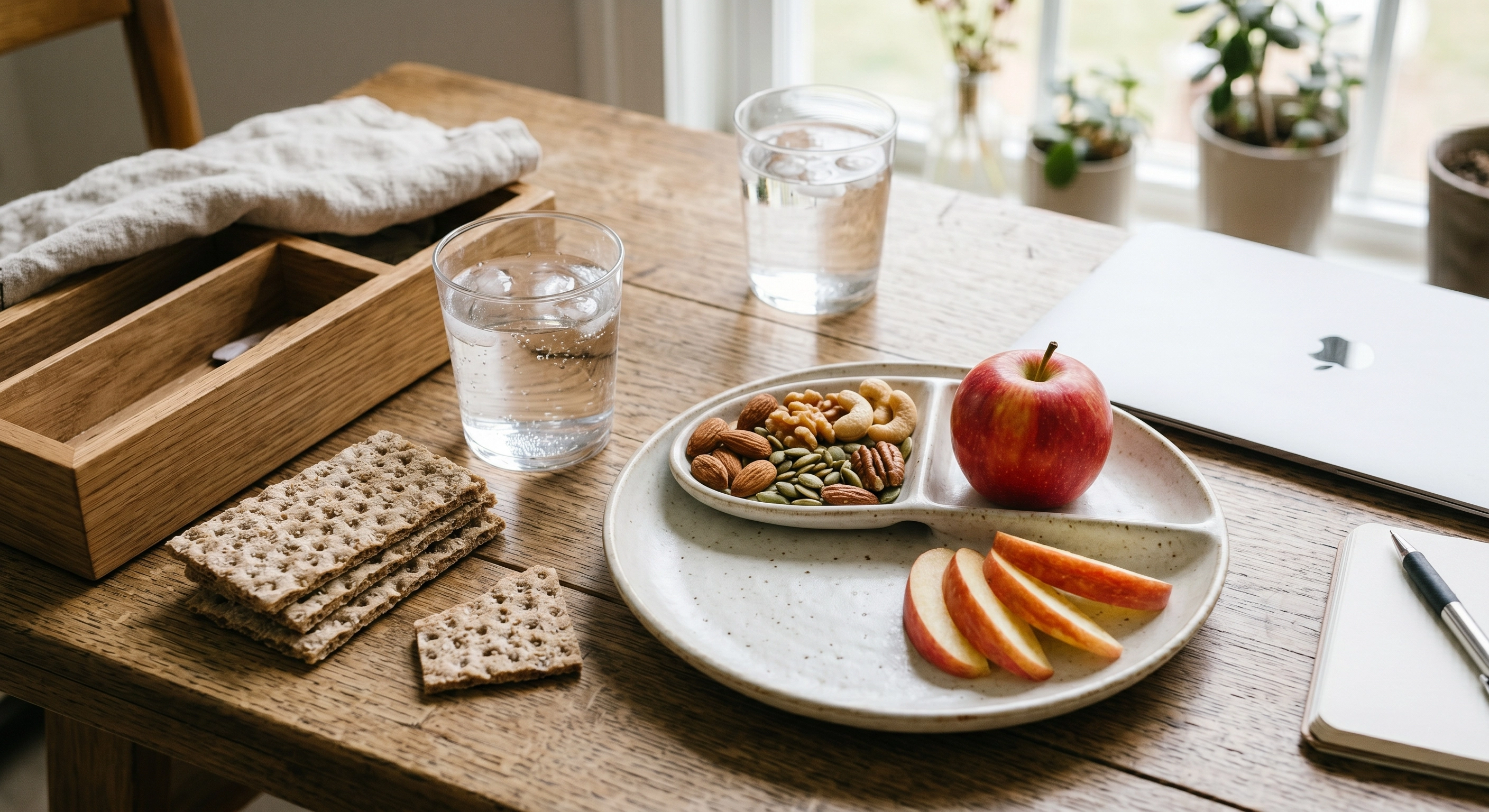
Good desk-friendly options may include:
- Small packets of nuts
- Roasted chickpeas
- Whole-grain crackers with nut butter
- Tuna packets
- Lower-sugar protein bars
- Seeds
- A small apple with peanut butter
- Beef or turkey jerky with lower added sugar
- Shelf-stable roasted edamame
If you have a fridge at work, you can add:
- Plain Greek yogurt
- Cottage cheese
- Cheese sticks
- Boiled eggs
- Hummus with vegetables
Real-life example:
Maria usually gets hungry around 3 p.m. and grabs cookies from the office kitchen. Instead of trying to rely on willpower every day, she keeps Greek yogurt and berries in the office fridge. On busier days, she keeps a small packet of nuts in her drawer. This does not make her snack perfect, but it gives her a more filling option before cravings get too strong.
Crunchy Snacks When You Want Chips
Crunchy cravings are common. The problem is not only the crunch. It is that chips and crackers are easy to eat straight from the bag.
More balanced crunchy options may include:
- Air-popped popcorn
- Cucumber slices with hummus
- Carrot sticks with guacamole
- Roasted chickpeas
- Roasted edamame
- Nuts in a small portion
- Whole-grain crackers with cheese
- Celery with peanut butter
Popcorn can be a reasonable snack for some people, especially when it is plain or lightly seasoned. But movie-theater popcorn, caramel popcorn, and heavily buttered packaged popcorn can be very different. Portion and toppings matter.
Real-life example:
James likes eating chips while watching TV. Instead of bringing the whole bag to the sofa, he makes a bowl of air-popped popcorn and adds a small handful of nuts. He still gets something crunchy, but the snack has more structure and is easier to portion.
Sweet Snacks When Cravings Hit
Trying to completely ignore sweet cravings can backfire for some people. A more realistic approach is to choose something sweet that also has protein, fiber, or fat.
Options may include:
- Berries with plain Greek yogurt
- Apple slices with peanut butter
- Cottage cheese with cinnamon
- Chia pudding with little or no added sugar
- A small piece of dark chocolate with nuts
- Pear slices with cheese
- Plain yogurt with berries and seeds
- Frozen berries with Greek yogurt
The goal is not to create a “free food” dessert. The goal is to build a sweet snack that feels satisfying and less like a sugar-only choice.
Late-Night Snacks
Late-night snacking needs a little more attention.
Sometimes you are truly hungry. Sometimes you are tired, stressed, bored, or eating out of habit. And for some people using insulin or glucose-lowering medication, nighttime hunger or symptoms may be related to blood sugar changes.
If you often wake up hungry, feel shaky, sweat at night, or have frequent low readings, it is important to talk with a healthcare professional.
For a simple late-night snack, some people may choose:
- A boiled egg
- Plain Greek yogurt
- Cottage cheese
- A small apple with nut butter
- A few whole-grain crackers with cheese
- Hummus with vegetables
- A small handful of nuts
Try to keep late-night snacks small and intentional. Eating directly from a bag or box late at night can make portions hard to notice.
Travel or Convenience-Store Snacks
Travel makes food choices harder. You may not find a perfect snack, but you can still make a better choice.
Convenience-store options may include:
- Nuts
- Cheese sticks
- Boiled eggs, if available
- Plain yogurt
- Fresh fruit
- Tuna packets
- Jerky with lower added sugar
- Hummus cups
- Whole-grain crackers
- Bottled water instead of sweet drinks
Real-life example:
Someone stopping at a gas station may not find a homemade snack box. But choosing nuts, water, and a small fruit may be more balanced than choosing a sweet coffee drink and a pastry.
Family-Friendly Snacks
Snacks do not have to feel like “diabetic food.” Many blood sugar-conscious snacks can work for the whole family.
Family-friendly ideas include:
- Veggies with hummus
- Yogurt bowls with berries
- Popcorn in small bowls
- Cheese and whole-grain crackers
- Apple slices with peanut butter
- Homemade snack boxes
- Boiled eggs and fruit
- Guacamole with vegetables
This matters because many people do not want to prepare a separate snack just for themselves. A practical snack is more likely to become a habit.
35 Snack Ideas for Diabetics
Use this list as inspiration, not as a strict rulebook. Your personal response, portion size, medication, activity level, and health goals all matter.
Protein-Rich Snack Ideas
- Boiled eggs
- Plain Greek yogurt
- Cottage cheese
- Tuna cucumber bites
- Turkey roll-ups
- Cheese stick
- Edamame
- Tofu cubes
- Chicken slices with vegetables
- Plain yogurt with seeds
High-Fiber Snack Ideas
- Berries
- Apple slices
- Pear slices
- Raw carrots
- Celery sticks
- Roasted chickpeas
- Chia pudding
- Bean dip with vegetables
- Oat-based snack cup
- Air-popped popcorn
Lower-Carb Snack Ideas
- Boiled egg with cucumber
- Cheese with celery
- Nuts in a small portion
- Celery with peanut butter
- Cucumber with tuna
- Avocado slices
- Plain Greek yogurt
- Turkey and lettuce roll-ups
Balanced Snack Pairings
- Apple slices with peanut butter
- Berries with Greek yogurt
- Whole-grain crackers with cheese
- Carrots with hummus
- Popcorn with nuts
- Pear slices with cottage cheese
- Chia pudding with berries
How to Read a Snack Label Without Getting Confused
Packaged snacks can fit into a blood sugar-conscious routine, but the label matters more than the front of the package.
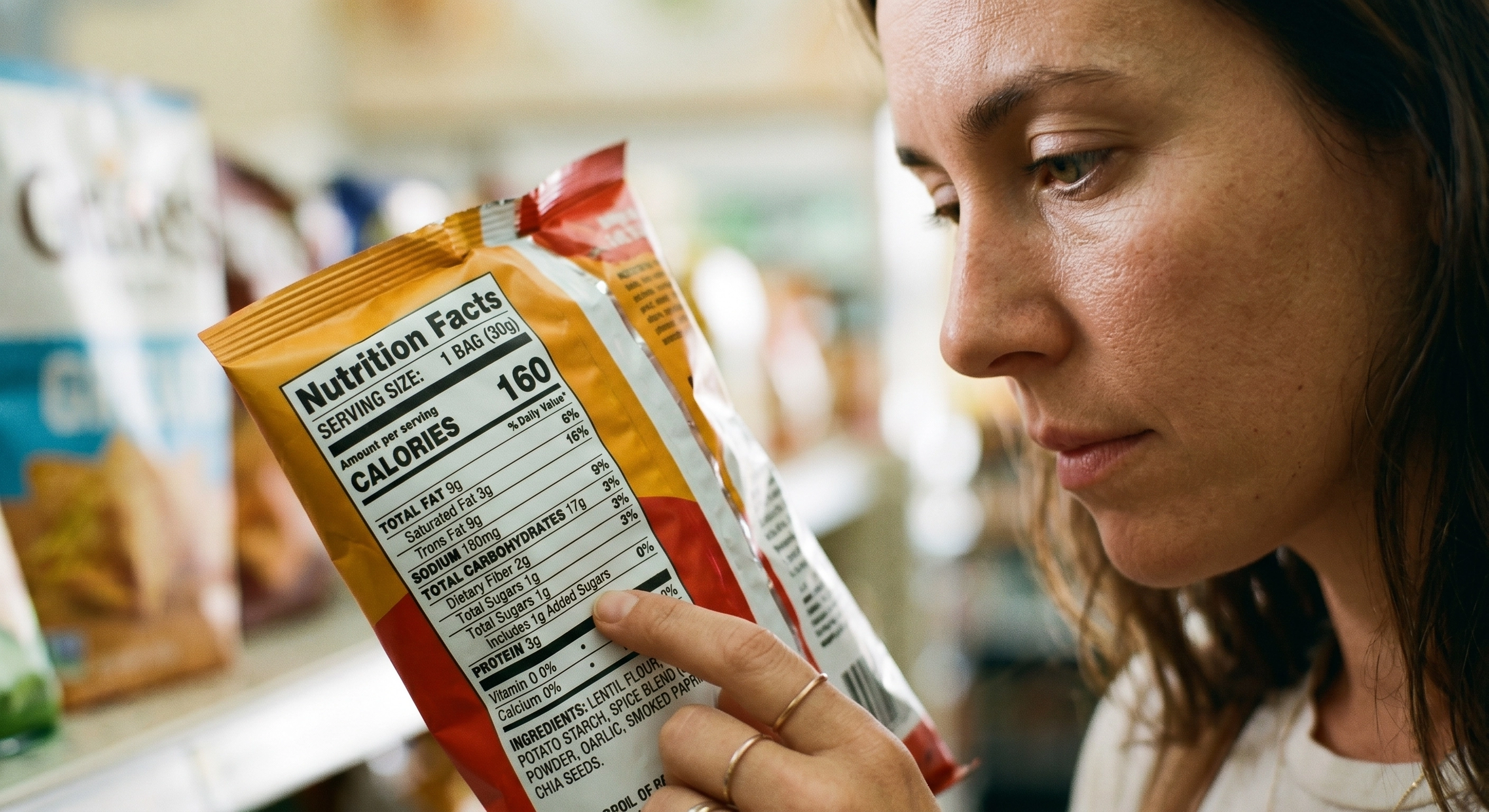
Start With Serving Size
A package may look like one serving but actually contain two or three. This can change the amount of carbohydrates, sugar, sodium, and calories you are actually eating.
Before checking anything else, look at the serving size.
Check Total Carbohydrates, Fiber, and Added Sugar
Total carbohydrates give you a broader picture than sugar alone. Fiber can be helpful because it slows digestion and supports fullness. Added sugar is worth watching because it can turn a snack into more of a dessert.
You do not need to fear every gram of carbohydrate, but it helps to understand where the carbs are coming from.
Look at Protein
Protein can make a snack more satisfying. If a snack has mostly refined carbs and very little protein or fiber, you may feel hungry again quickly.
Watch Sodium and Saturated Fat
Some lower-carb snacks, such as processed meats, cheese-heavy snacks, or jerky, can be high in sodium or saturated fat. This matters especially for people who are also watching blood pressure, cholesterol, or heart health.
Do Not Trust the Front of the Package
Be careful with claims like:
- “Sugar-free”
- “Keto”
- “Natural”
- “Low fat”
- “Diabetic-friendly”
- “No added sugar”
- “Energy bar”
These labels do not automatically mean the snack is a good fit for you. Always check the nutrition facts and ingredients.
Common Snack Mistakes That Can Make Blood Sugar Harder to Manage
Eating “Healthy” Snacks in Large Portions
Nuts, granola, dried fruit, crackers, and trail mix can be nutritious, but they are also easy to overeat.
A handful of nuts is different from eating from the container. A small serving of dried fruit is different from a large bowl.
Healthy food still needs a portion.
Eating Fruit Alone When It Does Not Satisfy You
Fruit can fit into many eating patterns, but some people find that fruit alone does not keep them full for long.
Pairing fruit with protein or fat may help:
- Apple with peanut butter
- Berries with Greek yogurt
- Pear with cottage cheese
- Banana slices with nuts
This does not make fruit “better” for everyone, but it may make the snack more satisfying.
Choosing Low-Fat Snacks With More Added Sugar
Low-fat snacks sometimes contain more sugar to improve taste. This is common with flavored yogurts, snack bars, and packaged “diet” foods.
Instead of focusing only on fat, look at the full label.
Snacking From the Bag
This is one of the easiest ways to lose track of portions.
A simple fix is to put the snack in a bowl, container, or plate before eating. This works for popcorn, nuts, crackers, roasted chickpeas, and trail mix.
Ignoring Your Own Response
People respond differently to the same snack. One person may do fine with a small bowl of oatmeal. Another may notice they feel hungry quickly or see a higher reading than expected.
If you check blood sugar, a simple log can help you notice patterns. The goal is not to panic over one number. The goal is to learn what tends to work for you.
Should People With Diabetes Snack at All?
Not everyone needs snacks.
Some people feel better with planned snacks between meals. Others may do better with balanced meals and fewer snacks. Snack timing may also depend on medication, physical activity, meal size, sleep, and personal glucose patterns.
A snack can be helpful when:
- There is a long gap between meals
- You are physically active
- You feel hungry and need something balanced
- Your healthcare professional recommends it
- You are trying to avoid overeating at the next meal
A snack may be less helpful when:
- You are eating out of boredom every night
- You snack directly from packages
- Your snacks are mostly sweets or refined carbs
- You are adding snacks without adjusting meals
- You feel unsure because of medication or frequent highs/lows
If you use insulin or medication that can cause low blood sugar, ask your healthcare professional about snack timing and what to do if you experience lows.
When to Talk to a Healthcare Professional
Snack advice online can be useful, but it cannot replace personal care.
Talk with a healthcare professional, registered dietitian, or diabetes educator if you:
- Have frequent low blood sugar
- Often have unexplained high readings
- Recently started or changed medication
- Use insulin
- Are pregnant or managing gestational diabetes
- Have kidney disease, heart disease, neuropathy, or other complications
- Feel unsure about how many carbohydrates to eat
- Notice extreme hunger, thirst, fatigue, or unexplained weight loss
Personal guidance matters because diabetes management is not one-size-fits-all.
FAQ
What are the best snacks for diabetics?
The best snacks are usually balanced, portion-aware, and satisfying. Many people do well with snacks that include protein, fiber, or healthy fat, such as Greek yogurt with berries, apple slices with peanut butter, vegetables with hummus, nuts in a small portion, or whole-grain crackers with cheese.
Can diabetics eat popcorn?
Some people with diabetes may be able to include popcorn, especially air-popped popcorn in a sensible portion. Toppings matter. Caramel popcorn, heavily buttered popcorn, and large movie-theater portions can be very different from plain popcorn.
Are bananas good snacks for diabetics?
Bananas can fit for some people, but portion and ripeness matter. A smaller banana or half a banana paired with nuts, yogurt, or peanut butter may feel more balanced than eating a large ripe banana alone. Personal response can vary.
What sweet snacks can diabetics eat?
Sweet snack options may include berries with Greek yogurt, apple slices with peanut butter, cottage cheese with cinnamon, chia pudding with little added sugar, or a small piece of dark chocolate with nuts. The key is portion size and pairing sweetness with something more filling.
Are crackers okay for diabetics?
Crackers can fit for some people, especially when portioned and paired with protein or fat, such as cheese, tuna, hummus, or peanut butter. Whole-grain crackers with more fiber may be a better choice than refined crackers, but the label still matters.
Should diabetics eat snacks before bed?
Some people may need a bedtime snack, while others may not. It depends on medication, blood sugar patterns, activity level, meal timing, and personal health needs. If you have frequent nighttime lows or morning highs, speak with a healthcare professional.
Are protein bars good for diabetics?
Some protein bars may be useful in busy situations, but many are highly processed or contain added sugar, sugar alcohols, or refined ingredients. Check serving size, total carbohydrates, fiber, added sugar, and protein before relying on them regularly.
What snacks should diabetics avoid?
It is better to think in terms of “limit” or “choose carefully” rather than “never.” Snacks that are mostly added sugar, refined flour, or sweet drinks may make blood sugar harder to manage for many people. Examples include candy, pastries, sugary drinks, large portions of chips, and sweetened snack bars.
How many carbs should a diabetic snack have?
There is no single carb target that works for everyone. Needs can vary based on medication, activity, meal timing, blood sugar patterns, and personal health goals. A healthcare professional or diabetes educator can help you decide what range makes sense for you.
Practical Takeaway
You do not need a perfect snack list. You need a simple way to make better snack decisions.
A helpful snack often includes:
- Some protein, fiber, or healthy fat
- A clear portion
- Less added sugar
- Enough satisfaction to carry you to your next meal
Start with small changes. Put snacks into a bowl instead of eating from the bag. Pair fruit with protein or fat. Keep simple options at work or in your bag. Read labels more carefully. Notice how your body responds.
The goal is not to snack perfectly. The goal is to make snacking less confusing, less stressful, and more supportive of your everyday blood sugar-conscious routine.
You should also read:

When the Monitor Says 500 and You Don't Have Insurance: A Guide for Terrified Partners
If one day your blood glucose meter gives you inconsistent readings, numbers that differ from the usual levels you're used to, you might start to wonder whether something is wrong with the device. This article explores one such scenario. Two hours after dinner, the screen…
Continue reading...
Not Hungry for Lunch? How to Manage Long-Acting Insulin When You Have No Appetite
Coming home from the hospital after a diabetes-related emergency is a jarring experience. While you were in the ward, your day was heavily structured. Nurses brought you three meals a day on a strict schedule, administered your long-acting insulin, and monitored your blood sugar around…
Continue reading...
Is Feeling Sleepy After Eating a Sign of Diabetes? What It May Mean
Feeling sleepy after eating can be frustrating, especially when it happens in the middle of the day. You eat lunch, return to work, and suddenly your body feels heavy. Your eyes want to close. Your focus disappears. Then a worrying thought appears: “Is feeling sleepy…
Continue reading...