Not Hungry for Lunch? How to Manage Long-Acting Insulin When You Have No Appetite

Coming home from the hospital after a diabetes-related emergency is a jarring experience. While you were in the ward, your day was heavily structured. Nurses brought you three meals a day on a strict schedule, administered your long-acting insulin, and monitored your blood sugar around the clock.
But then you get home. The structured environment vanishes, and your old life and old habits are waiting for you.
For many people, especially those whose careers (like truck driving or shift work) demanded they only eat once or twice a day, suddenly trying to force down three meals feels impossible. You might find yourself skipping the meal between breakfast and dinner simply because your body is screaming, "I am not hungry!"
If you are on long-acting (basal) insulin and find it incredibly hard to eat or snack during the day, you are not alone. It is a massive physical and psychological barrier. Let’s break down exactly why this happens, how it affects your body, and practical, low-effort tricks to keep you safe and balanced.
Medical Disclaimer: While this article shares practical, research-informed insights, the information provided is for educational purposes only and does not substitute professional medical diagnosis, treatment, or advice. Because managing long-acting insulin involves delicate chemical balances, always consult your endocrinologist or physician before adjusting your doses or altering your prescribed eating routines. If you are experiencing severe hypoglycemia or a medical emergency, please seek immediate medical attention.
The Shock of the Hospital-to-Home Transition
Let’s first validate the emotional exhaustion of your situation. Diabetes management often demands a total overhaul of how you live. If you have spent 20 years eating two meals a day because of the demands of your job, your brain and digestive system are hardwired to that routine.
In the hospital, fear and urgency might have made it easier to eat those three meals. But at home, your natural circadian rhythms and appetite hormones return to their baseline. The anxiety of "having to eat" when you have zero appetite can lead to immense frustration, resentment, and diabetes burnout.
You aren't failing because you aren't hungry. Your body is simply experiencing the whiplash of sudden lifestyle changes. However, when long-acting insulin is involved, skipping meals isn't just a matter of waiting until you're hungry again, it becomes a delicate chemical balancing act.
The Biology: What Happens When You Skip Meals on Basal Insulin?
To understand how to fix this, we need to look at the biology of what is happening under the surface.
The "Always On" Mechanism of Long-Acting Insulin
Long-acting insulin (often called basal insulin, such as Lantus or Tresiba) is designed to mimic a healthy pancreas by providing a slow, continuous drip of insulin into your bloodstream over 24 hours. Its primary job is not to cover the sudden spikes in blood sugar from eating a heavy meal, that is what fast-acting (bolus) insulin is for. Instead, basal insulin's job is to keep your blood sugar stable while you are fasting, sleeping, or between meals.
Ideally, if your long-acting insulin dose is perfectly dialed in, skipping a meal shouldn't cause a catastrophic drop in blood sugar. However, finding that perfect dose takes time and continuous communication with your endocrinologist. If your basal dose is slightly too high and you skip a meal, that "always on" insulin keeps pushing glucose out of your blood and into your cells, potentially leading to dangerous lows (hypoglycemia).
The Liver's Panic Response (Why Your Blood Sugar Might Actually Go Up)
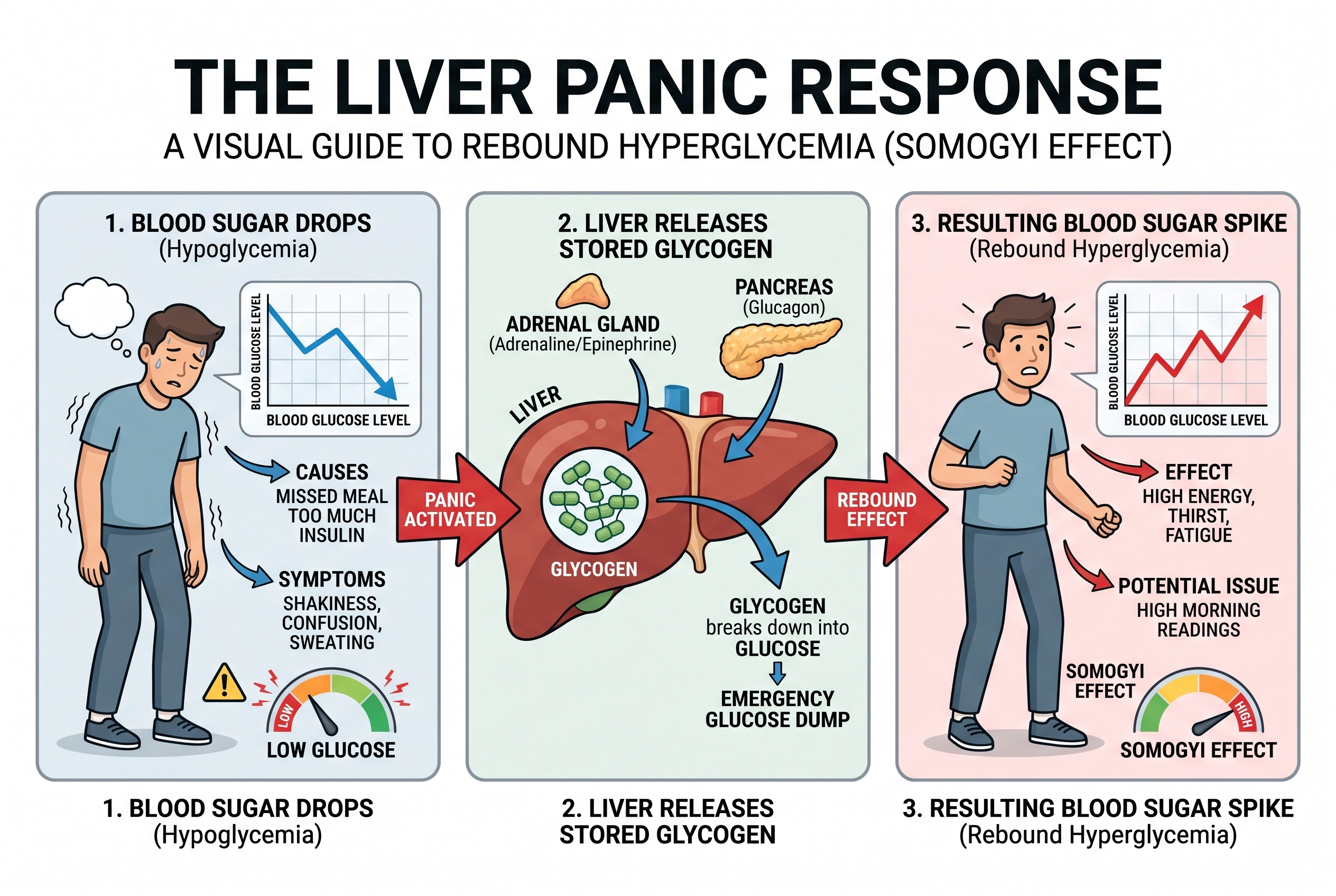
Conversely, you might check your blood sugar after skipping a meal and find that it is shockingly high—sometimes soaring over 300 mg/dL. How is that possible if you haven't eaten?
This happens because your body is a survival machine. When you skip a meal, your blood sugar begins to drift downward. If it drops too low, your brain panics. To protect you, your body releases stress hormones like adrenaline and cortisol, which signal your liver to dump its emergency stores of glucose (glycogen) directly into your bloodstream. Because your body lacks the fast-acting insulin needed to handle this sudden rush of sugar, your levels skyrocket.
This is why skipping meals can result in a rollercoaster of dangerous lows followed by frustrating highs.
The Psychological Weight of Changing Lifetime Habits
It is vital to recognize the mental hurdle here. Many people in the diabetes community have shared stories of how their work environments completely dictated their eating habits. If you drove a truck for a living, you couldn't just pull over on a highway every three hours for a balanced snack. You adapted to fluid intake drinking plenty of coffee or water and eating large meals only when parked.
When a doctor suddenly says, "You must eat three meals a day," it feels like they are asking you to change your personality. The pressure to eat can actually trigger nausea or a psychological aversion to food.
Practical "Tricks" When You Just Can't Eat
If your body is rejecting the idea of a traditional "meal" during the day, we need to hack the system. You don't need a full plate of food; you just need enough fuel to keep your liver from panicking and your basal insulin balanced.
Here are a few highly effective tricks to overcome this situation:
1. Drink Your Nutrients (Liquid Calories)
If you think you’ve been drinking plenty of water throughout the day, that will be a big advantage. If your brain accepts liquids but rejects solid food, switch to liquid nutrition.
Protein Shakes: Keep a stash of low-sugar, high-protein shakes in your fridge. Sipping on one over the course of an hour provides a steady stream of complex carbohydrates and protein to keep your blood sugar stable without making you feel "stuffed."
Bone Broth: If you prefer savory over sweet, warm bone broth is incredibly soothing, packed with protein, and easy on an empty stomach.
Smoothies: Blend half a banana, a scoop of unsweetened peanut butter, and unsweetened almond milk. You can drink it slowly while going about your day.
2. The "Handful" Rule for Nutrient Density
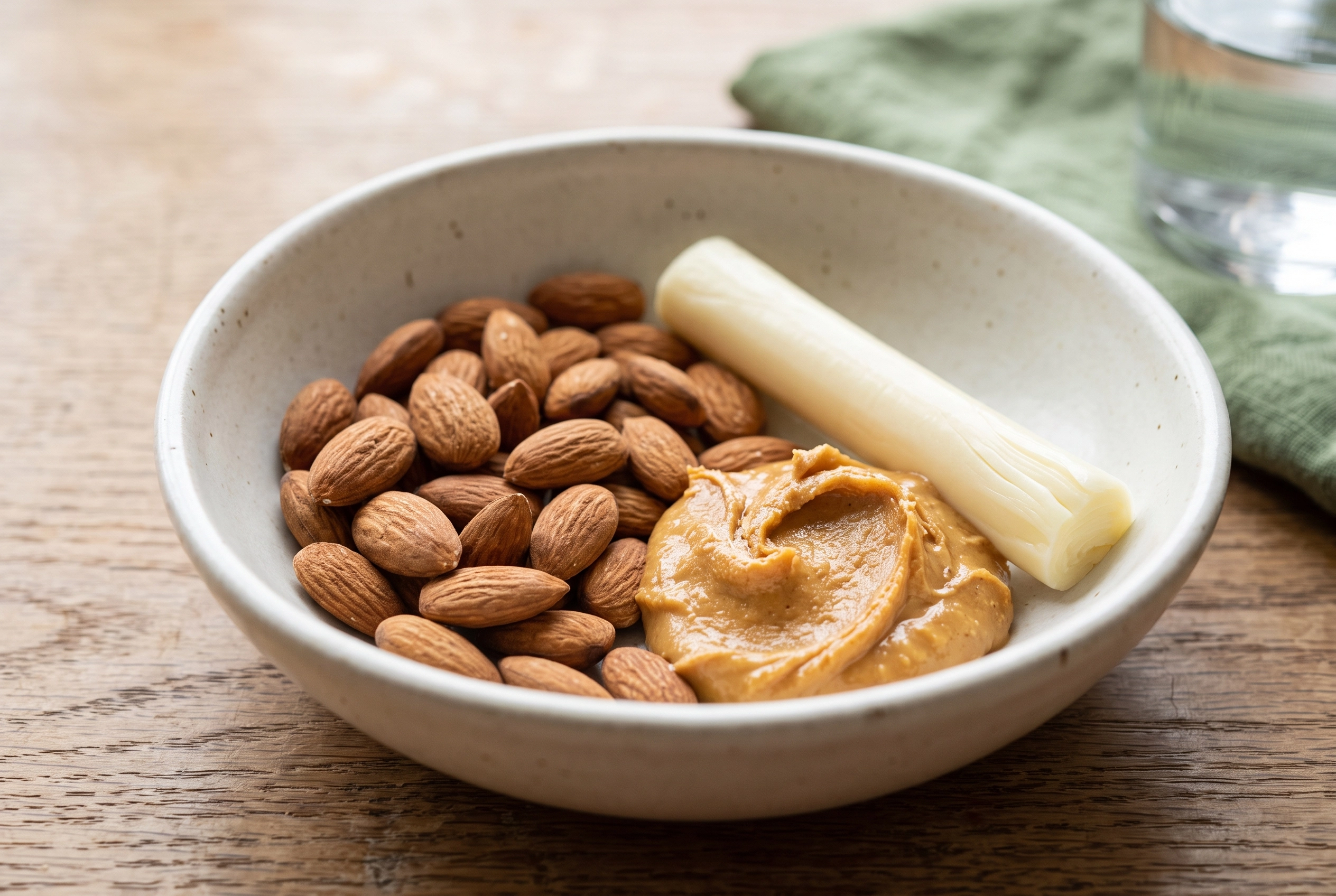
When you have zero appetite, volume is your enemy. A large turkey sandwich looks exhausting. Instead, focus on small, nutrient-dense foods that you can consume in two bites.
Nuts: A handful of almonds, walnuts, or macadamia nuts contains healthy fats and a small amount of carbs that digest very slowly.
Cheese: A single string cheese or a few cubes of cheddar can be eaten in seconds but will provide lasting energy.
Peanut Butter: Literally, just a spoonful of peanut butter. It requires almost no effort but gives your body the signal that food has been received.
3. Decoupling "Eating" from "Meals"
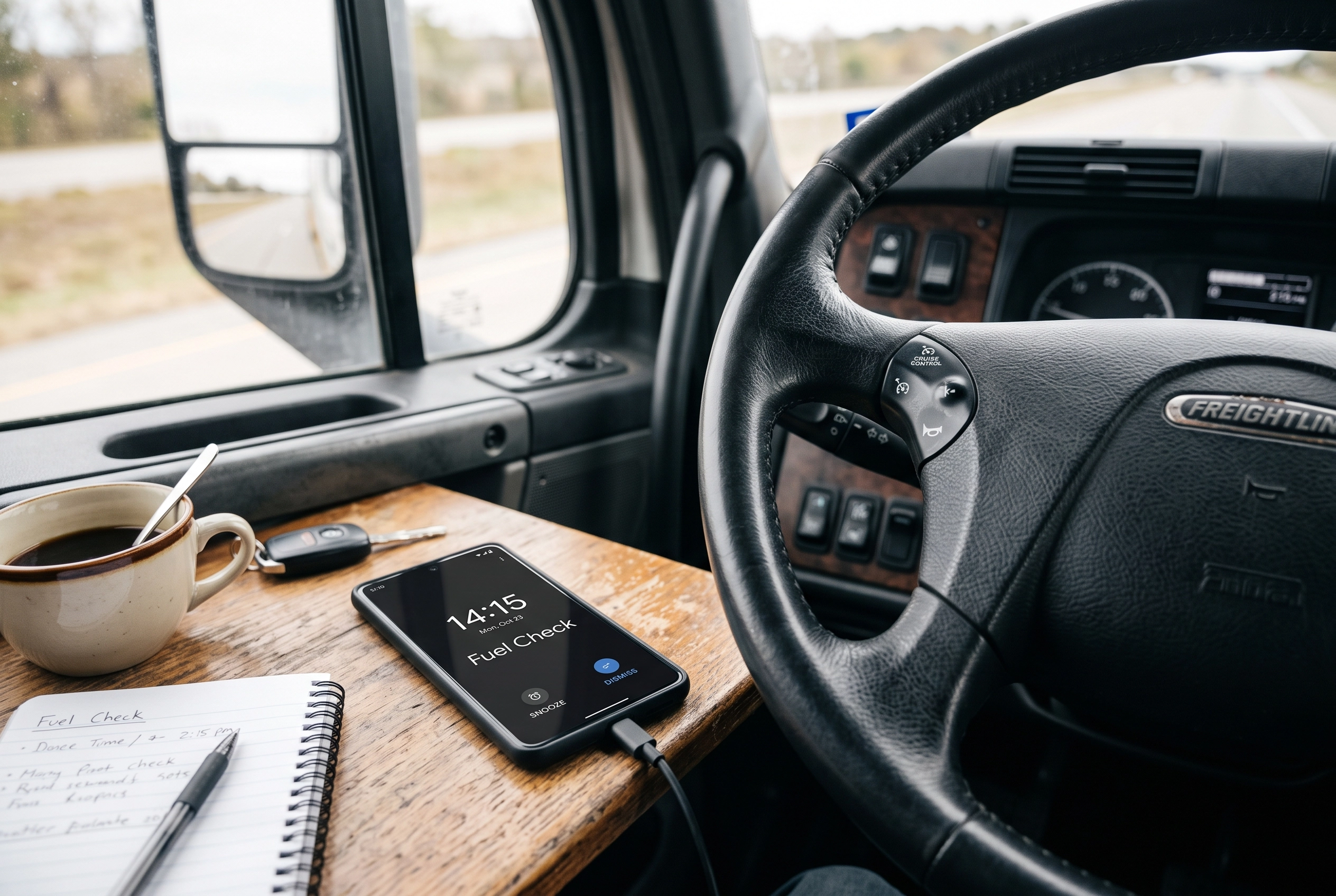
Stop thinking about "lunch." The word itself implies sitting down to a plate of food. Instead, set an alarm on your phone for midday labeled "Fuel Check." When the alarm goes off, your only job is to consume something small. It takes the pressure off. You aren't "having a meal"; you are simply giving your body its necessary medicine in the form of a small snack.
Scenario Comparisons: How Different Choices Affect Your Day
To see how these tricks play out in real life, let's look at three different scenarios:
Scenario A: Forcing a Big Meal. You try to force yourself to eat a full chicken salad sandwich at noon even though you are not hungry. You feel nauseous, resentful, and bloated. You start dreading lunchtime, increasing your risk of diabetes burnout.
Scenario B: Skipping the Meal Entirely. You drink water and power through until dinner. By 4:00 PM, your liver panics due to the drop in blood sugar and dumps emergency glucose. You arrive at dinner with a blood sugar reading of 280 mg/dL, feeling exhausted, irritable, and confused.
Scenario C: The "Trick" Approach. At 1:00 PM, you eat a single spoonful of peanut butter and slowly sip a protein shake over the next hour. Your stomach doesn't feel overly full, your brain doesn't feel stressed by a "meal," and the steady trickle of nutrients keeps your liver calm and your blood sugar perfectly stable until dinner.
When to Talk to Your Doctor About Insulin Adjustments

If you are trying these tricks and your blood sugar is still plummeting during the day, or if you are waking up with massive spikes, you must talk to your endocrinologist.
Never adjust your insulin doses on your own. However, you can advocate for yourself. Tell your doctor: "I am really struggling to eat during the day due to my old habits, and I am finding it hard to snack. Can we evaluate my long-acting insulin dose, or discuss options like an insulin pump?"
Some people find that switching from a long-acting injection to an insulin pump (like an OmniPod) gives them more freedom, as a pump allows for precise, micro-adjustments of basal insulin throughout the day. If you don't eat, the pump can be adjusted so you don't drop low.
Remember, the goal is not to force your life to fit your diabetes; the goal is to find ways for your diabetes management to gently fit into your life. Take it one handful, or one sip, at a time.
You should also read:

"I Haven't Changed My Diet!" Why Your Blood Sugar is Suddenly Spiking
It is one of the most frustrating experiences in diabetes management: You step over to your meter. You know exactly what you’ve eaten. You’ve been perfectly consistent with your low-carb, high-protein routine. Your numbers have been steady—maybe averaging around 125 mg/dL between meals and 150…
Continue reading...
Fasting Insulin Explained: The Lab Test Many People Don’t Understand
If you have ever checked your blood sugar, you may already know about fasting glucose, A1C, or a blood sugar log. But then you see another term on a lab order or health article: fasting insulin. At first, it can feel confusing. Blood sugar is…
Continue reading...
When the Monitor Says 500 and You Don't Have Insurance: A Guide for Terrified Partners
If one day your blood glucose meter gives you inconsistent readings, numbers that differ from the usual levels you're used to, you might start to wonder whether something is wrong with the device. This article explores one such scenario. Two hours after dinner, the screen…
Continue reading...