Are Your Diabetes Apps Causing Burnout? Here’s How to Simplify Your Daily Routine

If you spend any time in online diabetes communities, you will inevitably see posts asking people to take a "diabetes managing app survey." Developers are constantly trying to build the next great tool to help people with type 2 diabetes or prediabetes track their lives. Yet, despite the abundance of technology, many people living with metabolic conditions still feel entirely overwhelmed.
The promise of digital health is that it will make our lives easier. But when you are expected to manually log every carbohydrate, record every blood sugar reading, track your water intake, and input your daily steps, the "solution" quickly becomes a second full-time job.
This is known as the daily management burden. If you are feeling exhausted by your diabetes routine, you are not alone, and you are not failing. Let’s explore the real psychological toll of tracking, the biological reasons behind why we do it, and how you can streamline your life so that your tools work for you, not the other way around.
The Heavy Reality of the Daily Diabetes Burden
Diabetes is one of the few health conditions where the patient is responsible for 99% of their own daily care. You are the one making hundreds of micro-decisions every day: Can I eat this? Should I walk now? Why is my fasting glucose higher today?
The Psychology of App Fatigue and Burnout
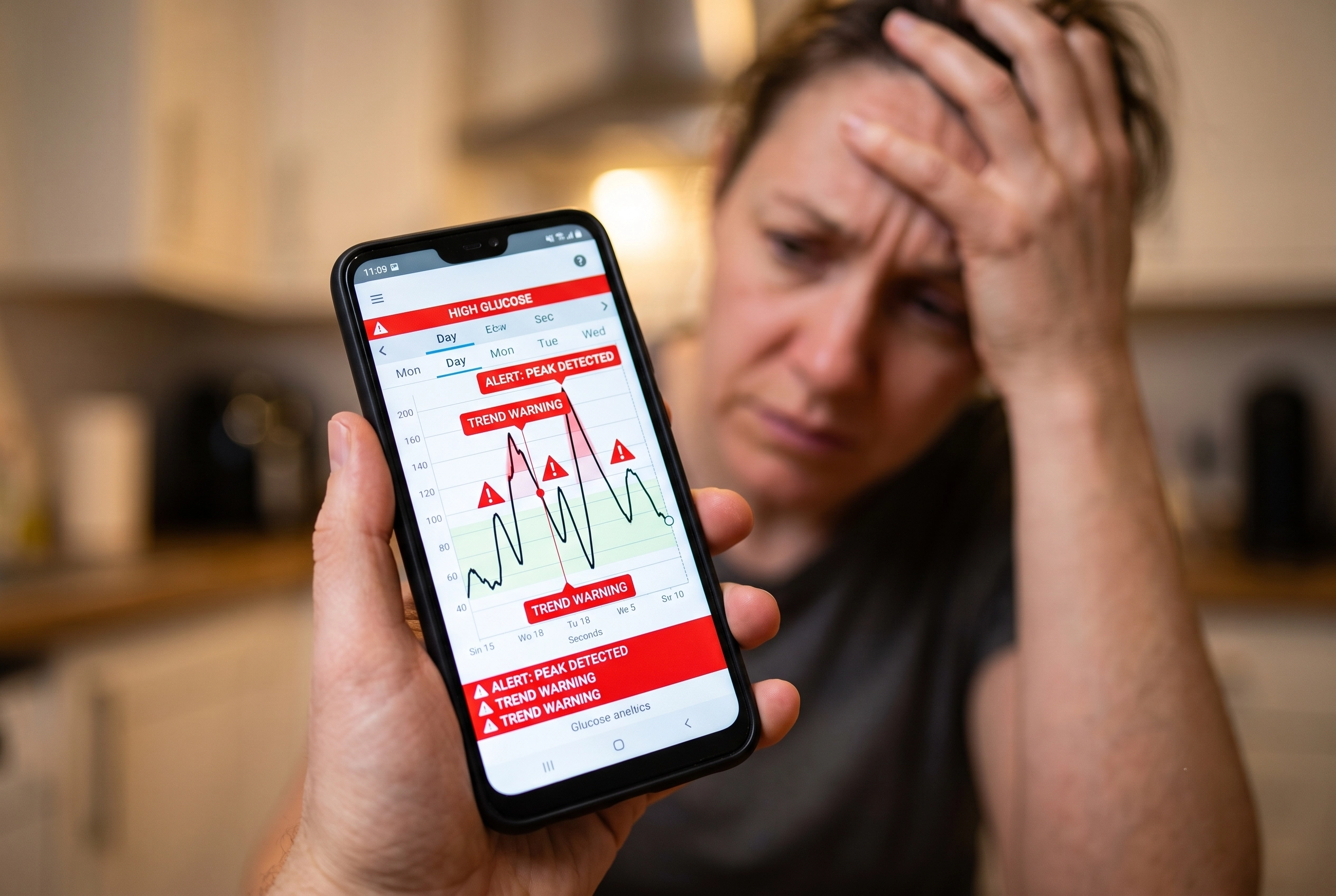
When you download a new diabetes management app, motivation is usually high. But over time, the constant data entry can lead to severe psychological fatigue.
App fatigue occurs when the friction of using an application outweighs its perceived benefit. For someone with diabetes, an app can sometimes feel like a harsh judge. Staring at a graph that shows a blood sugar spike after a meal you worked hard to prepare can induce guilt, anxiety, and frustration. Eventually, many people simply delete the app or stop checking their numbers altogether, a phenomenon recognized in medical literature as diabetes distress or burnout.
Validating this emotion is the first step toward better metabolic health. It is completely normal to hate logging your food. It is normal to want a break from the constant stream of data. The goal is not to stop caring about your health, but to shift your management strategy to something sustainable.
The Biological Context: Why We Track in the First Place
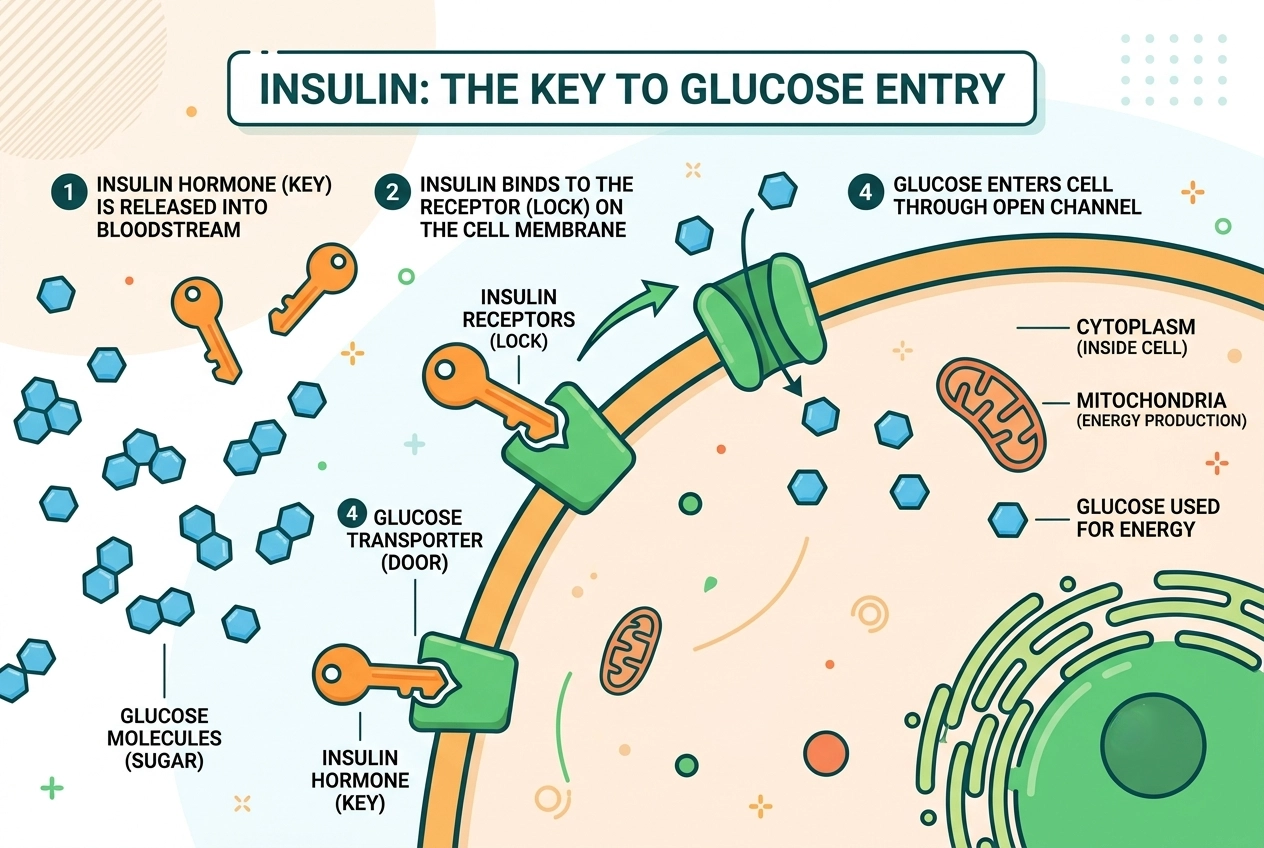
To understand how to simplify your routine, we first need to review why we track these metrics and how they relate to the biology of your body.
When you consume carbohydrates, your digestive system breaks them down into glucose, which enters your bloodstream. In response, your pancreas secretes insulin, a hormone that acts like a key, unlocking your cells so glucose can enter and be used for energy.
In type 2 diabetes and prediabetes, this system becomes impaired due to insulin resistance. Your cells stop responding efficiently to the "insulin key," leaving excess glucose trapped in the bloodstream. Over time, high circulating blood sugar can damage blood vessels, nerves, and organs.
What Your Numbers Actually Mean (Without the Guilt)
We track blood sugar to monitor this biological mechanism, not to grade your moral character.
Fasting Blood Sugar: Tells us how your liver is managing glucose output overnight while you sleep.
Post-Prandial (After-Meal) Blood Sugar: Shows how quickly your body can produce insulin and clear glucose after a carbohydrate load.
HbA1c: Provides an estimated average of your blood sugar over the past two to three months.
When you understand that a high reading is just biological feedback—a sign that your body needs a bit more support metabolizing that specific meal—you can begin to detach your self-worth from the data.
Scenario Comparisons: The Over-Tracker vs. The Streamliner
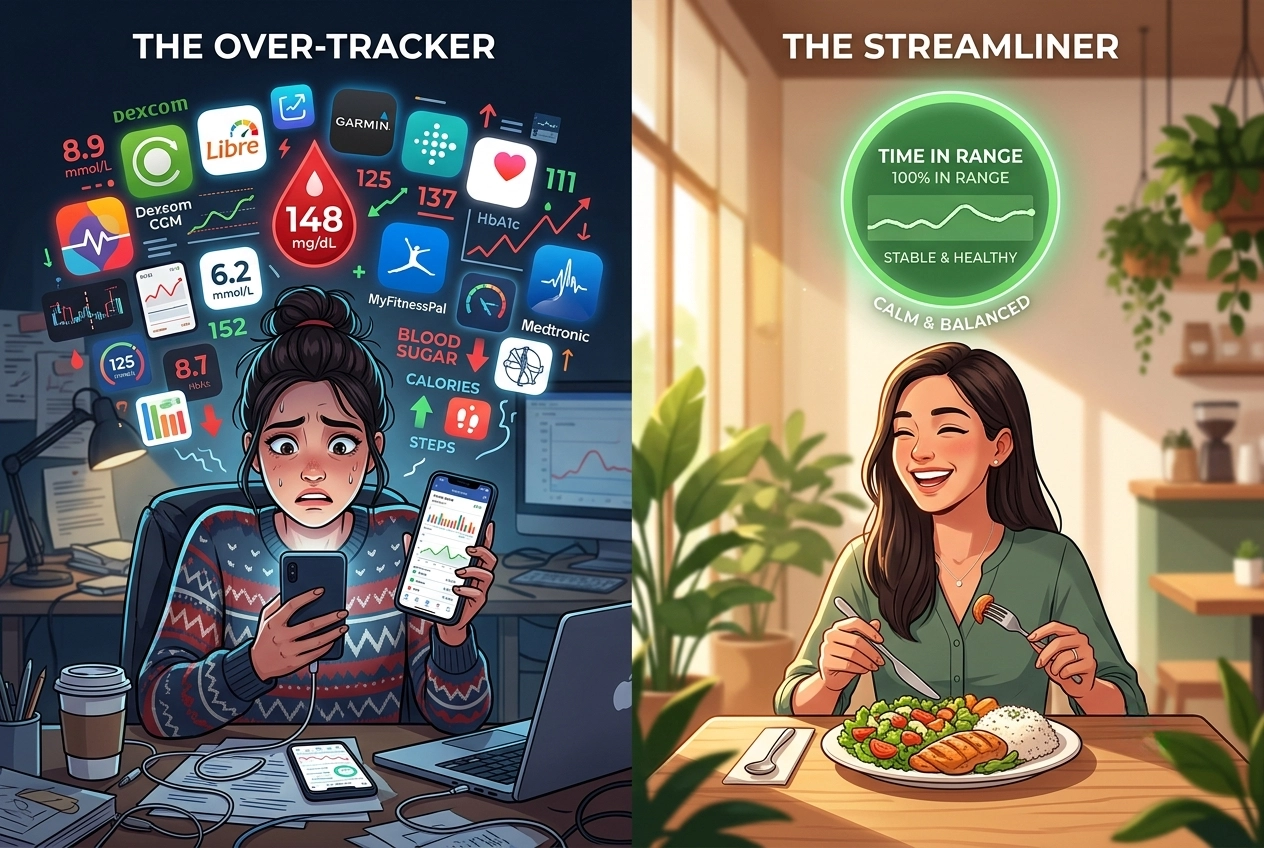
Let’s look at two common approaches to daily management to see how different habits impact burnout.
Scenario A: The Over-Tracker
Mark was diagnosed with type 2 diabetes six months ago. He uses one app to log his meals, another to track his steps, and a third to log his finger-prick readings. If his blood sugar is 115 mg/dL before a meal, he feels okay, but if it is 130 mg/dL, he skips eating altogether out of fear. Mark spends roughly an hour each day managing his data. He is highly stressed, hyper-focused on isolated numbers, and on the fast track to burnout.
Scenario B: The Streamliner
Sarah also has type 2 diabetes. She uses a single, integrated app that pairs with her Continuous Glucose Monitor (CGM). Instead of logging every single ingredient she eats, she only logs "new" meals to see how her body reacts. Once she knows that a specific chicken salad keeps her blood sugar stable, she eats it regularly without logging it. Sarah focuses on her Time in Range (the percentage of the day her blood sugar is within target) rather than obsessing over single data points. Her mental load is significantly lighter.
The key difference? Sarah uses her technology to identify trends and create predictable habits, allowing her to eventually put the app away. Mark is trapped in a cycle of reactive data entry.
How to Choose a Diabetes Management App That Actually Helps
If you want to transition from an Over-Tracker to a Streamliner, evaluate your current digital tools. A good diabetes management app should reduce your cognitive load. Consider the following criteria:
Automation Over Manual Entry: The best apps sync directly with your blood glucose meter, CGM, or fitness tracker. The less you have to type, the better.
Focus on Trends: Look for apps that emphasize your weekly averages and trend graphs over individual "bad" numbers.
Simplicity: If an app requires you to navigate through five menus just to log your breakfast, it is too complex for sustainable daily use.
No Judgmental Language: The app should present data neutrally. Tools that use aggressive red alerts for slightly elevated numbers can exacerbate anxiety.
Beyond the App: Reducing Variables Through Smart Pairing
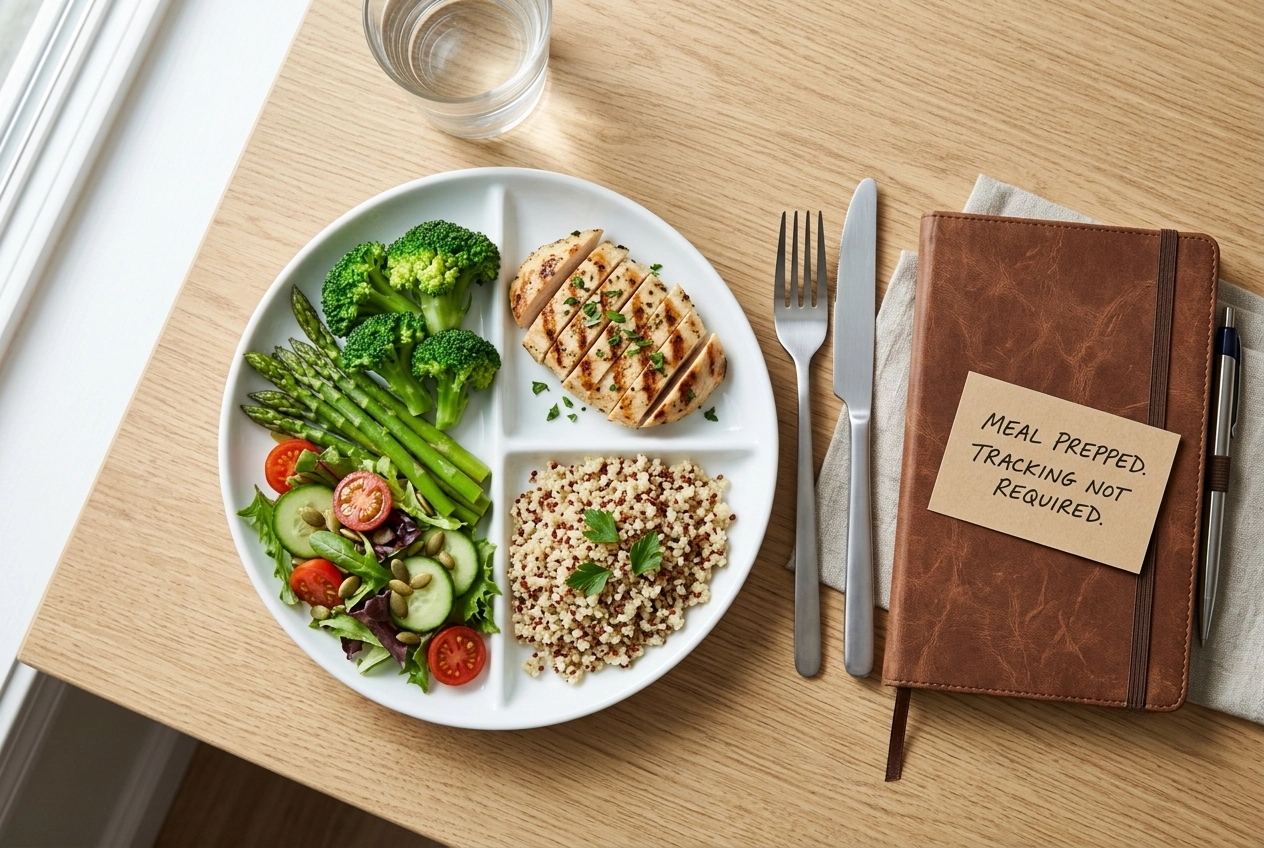
The easiest way to reduce the burden of tracking is to simplify the variables in your diet. Rather than forcing yourself to eat the exact same meals every day just to avoid logging them, you can learn the fundamental rules of food pairing.
When you understand that pairing carbohydrates with sufficient protein and healthy fats slows down digestion, you don't need an app to calculate every macro. You learn to visually plate your food, filling half with vegetables, a quarter with protein, and a quarter with complex carbs. Once this visual habit is established, the need for obsessive digital tracking naturally falls away.
Managing Cravings to Stabilize Trends
One of the biggest drivers of unpredictable blood sugar and therefore, the sudden panic to check your app, is the rollercoaster caused by unexpected cravings and frequent snacking. When you feel fatigued, you are more likely to reach for quick carbohydrates, leading to a spike, a crash, and a renewed cycle of stress.
Supporting your body's baseline metabolism helps smooth out these daily spikes. In addition to a diet rich in fiber, some individuals utilize dietary supplements to support their foundational health. NuviaLab Sugar Control is a unique food supplement that supports the maintenance of normal blood sugar levels. Regular use of the product supports the maintenance of proper macronutrient metabolism in the blood and contributes to the regulation of hormonal activity.
For those trying to step away from constant food logging, managing sudden hunger is crucial. NuviaLab Sugar Control helps reduce appetite and calorie intake, making it easier to stick to your planned meals without unexpected snacking. It also assists in the reduction of feelings of fatigue, helping you maintain energy throughout the day. Always talk with your healthcare provider before adding any new supplement to your routine to ensure it does not interact with your current medications.
Summary and Next Steps: Your Action Plan for Digital Minimalism
If your diabetes management apps are causing you distress, you have permission to step back. The goal of digital health tools is to help you build sustainable habits, not to trap you in a permanent cycle of data entry. To transition away from app fatigue, follow this simple, three-step action plan:
Perform an App Audit: Look at every health app on your phone. If an app relies on manual entry (like typing in every ingredient you eat) and consistently makes you feel guilty or overwhelmed, delete it. Keep only the essential, automated tools recommended by your doctor.
Adopt the "Test and Trust" Method: Use your tracking apps as a temporary educational tool. Test how your body responds to a new recipe or exercise routine for a few days. Once you understand the biological response, trust that knowledge and stop tracking that specific activity.
Shift to Physical Feedback: Start measuring your success by how your body feels rather than a digital graph. Pay attention to your energy levels in the afternoon, the quality of your sleep, and the absence of brain fog.
By simplifying your digital routine, you clear the mental space needed to focus on actually living your life.
Frequently Asked Questions (FAQ) About Diabetes App Fatigue
To further help you navigate the transition away from obsessive tracking, here are answers to some of the most common questions people ask when they start experiencing diabetes burnout.
Is it safe to stop logging my meals if I have type 2 diabetes?
For most people managing type 2 diabetes, it is safe to stop logging every single meal, provided you have built a predictable dietary routine and have cleared this change with your healthcare provider. Food logging is best used as a temporary educational tool. Once you understand how different foods impact your unique metabolism, daily logging often becomes redundant. However, you must still follow your doctor's instructions regarding tracking your actual blood glucose readings.
What is the single most important metric to focus on if I want to minimize apps?
If you want to use only one application, the most beneficial metric to monitor is your Time in Range (TIR), typically tracked via a Continuous Glucose Monitor (CGM). Rather than hyper-focusing on a single high or low reading, TIR shows the percentage of the day your blood sugar remains within your target healthy zone. This encourages a balanced approach to metabolic health and naturally reduces anxiety over isolated, temporary spikes.
How do I handle the anxiety of not knowing my exact numbers all the time?
It is completely normal to feel a temporary spike in anxiety when you first put the tracking apps away; you are removing a "digital safety blanket." To manage this, try a gradual step-down approach. Start by leaving your phone in another room during dinner, or check your app only twice a day instead of ten times. Remind yourself that healing happens through consistent daily habits, not through constant observation.
How long does it take to recover from diabetes burnout?
Recovery from burnout is highly individual and depends on how long you have been experiencing app fatigue. For some, simply deleting a frustrating food logger brings immediate relief. For others, it may take weeks or months to rebuild trust in their body's own signals. Be patient with yourself, focus on how you physically feel, and consider speaking with a certified diabetes care and education specialist (CDCES) if the anxiety feels unmanageable.
You should also read:
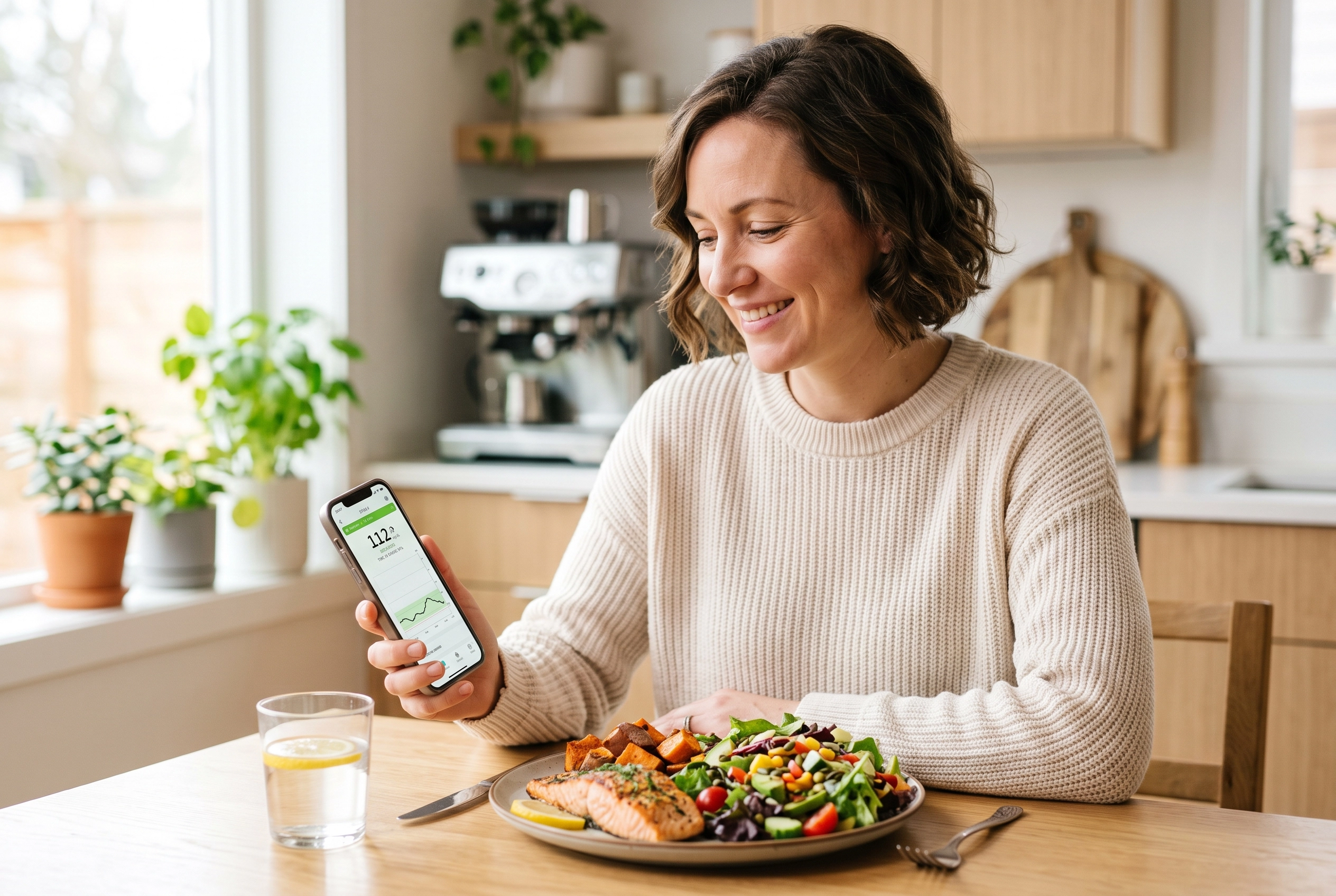
The "Triple-Digit Fear": Is 100-120 mg/dL Good Enough for Diabetes Remission?
Being newly diagnosed with type 2 diabetes can feel like you have been dropped into a completely foreign country without a map. Suddenly, you are analyzing every food label for hidden carbohydrates, scheduling brisk walks after your meals, cutting out sodas, and relying on a…
Continue reading...
Is Feeling Sleepy After Eating a Sign of Diabetes? What It May Mean
Feeling sleepy after eating can be frustrating, especially when it happens in the middle of the day. You eat lunch, return to work, and suddenly your body feels heavy. Your eyes want to close. Your focus disappears. Then a worrying thought appears: “Is feeling sleepy…
Continue reading...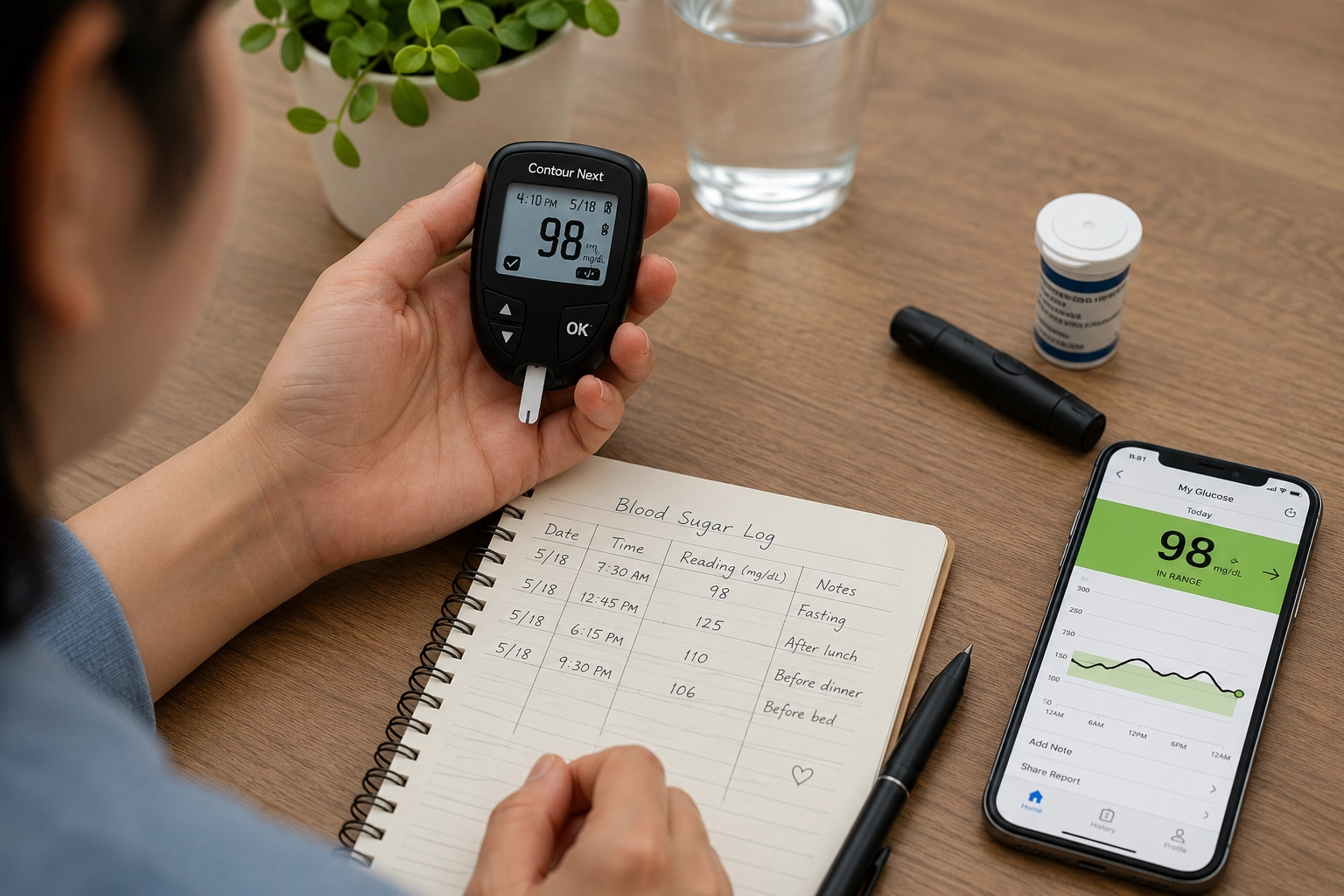
Blood Sugar Conversion Chart: How to Understand Your Glucose Numbers in Different Units
Blood sugar numbers can be confusing enough on their own. They become even more confusing when one website shows a reading in mg/dL, your glucose meter uses mmol/L, or a lab report lists a number that looks completely unfamiliar. For example, you may see 100…
Continue reading...