"I Haven't Changed My Diet!" Why Your Blood Sugar is Suddenly Spiking
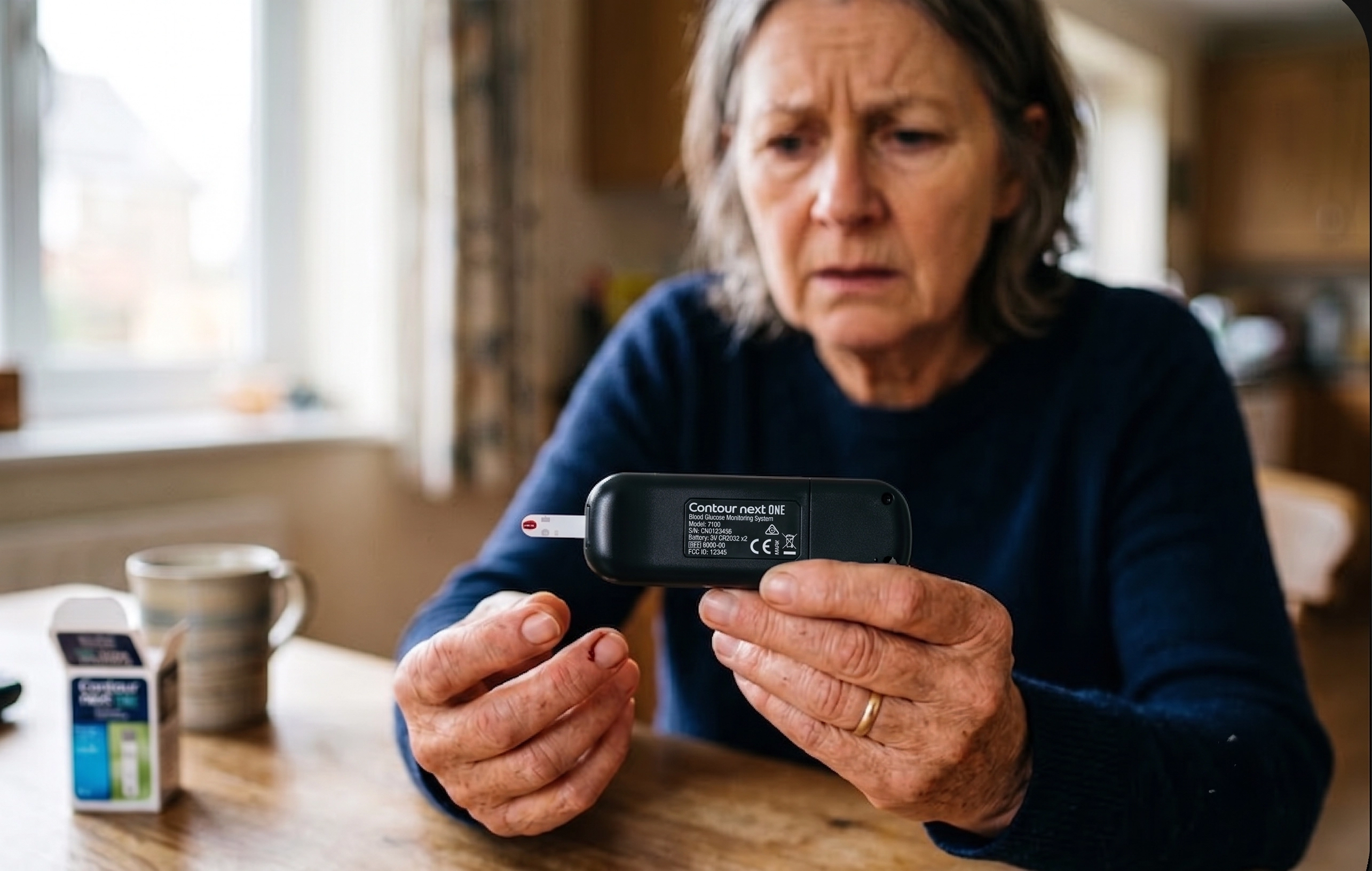
It is one of the most frustrating experiences in diabetes management: You step over to your meter. You know exactly what you’ve eaten. You’ve been perfectly consistent with your low-carb, high-protein routine. Your numbers have been steady—maybe averaging around 125 mg/dL between meals and 150 mg/dL after eating.
Then, you look at the screen, and it reads 200 mg/dL. Or higher.
The next day, it happens again. You haven't changed a single thing on your plate, yet your blood sugar is experiencing insane, unexplained spikes. To make matters worse, you call your doctor’s office, only to find out they can’t fit you in for another six weeks.
If this scenario sounds familiar, take a deep breath. You are not alone, and your body isn't necessarily broken. It is incredibly common to feel a sense of betrayal and burnout when you are "doing everything right" and the numbers still go wrong. But diabetes management is not just a math equation of carbs in versus insulin out. Blood sugar is a complex hormonal balancing act.
Let’s explore the biological and psychological factors behind these sudden spikes, and what you can do to manage them while you wait for your medical appointment.
5 Hidden Reasons Your Blood Sugar is Spiking (That Aren’t Food)
When carbohydrates aren't the culprit, we have to look at what else is signaling your body to release glucose into your bloodstream. Here are five of the most common hidden triggers.
1. The Silent Infection: Your Immune System's Glucose Demand
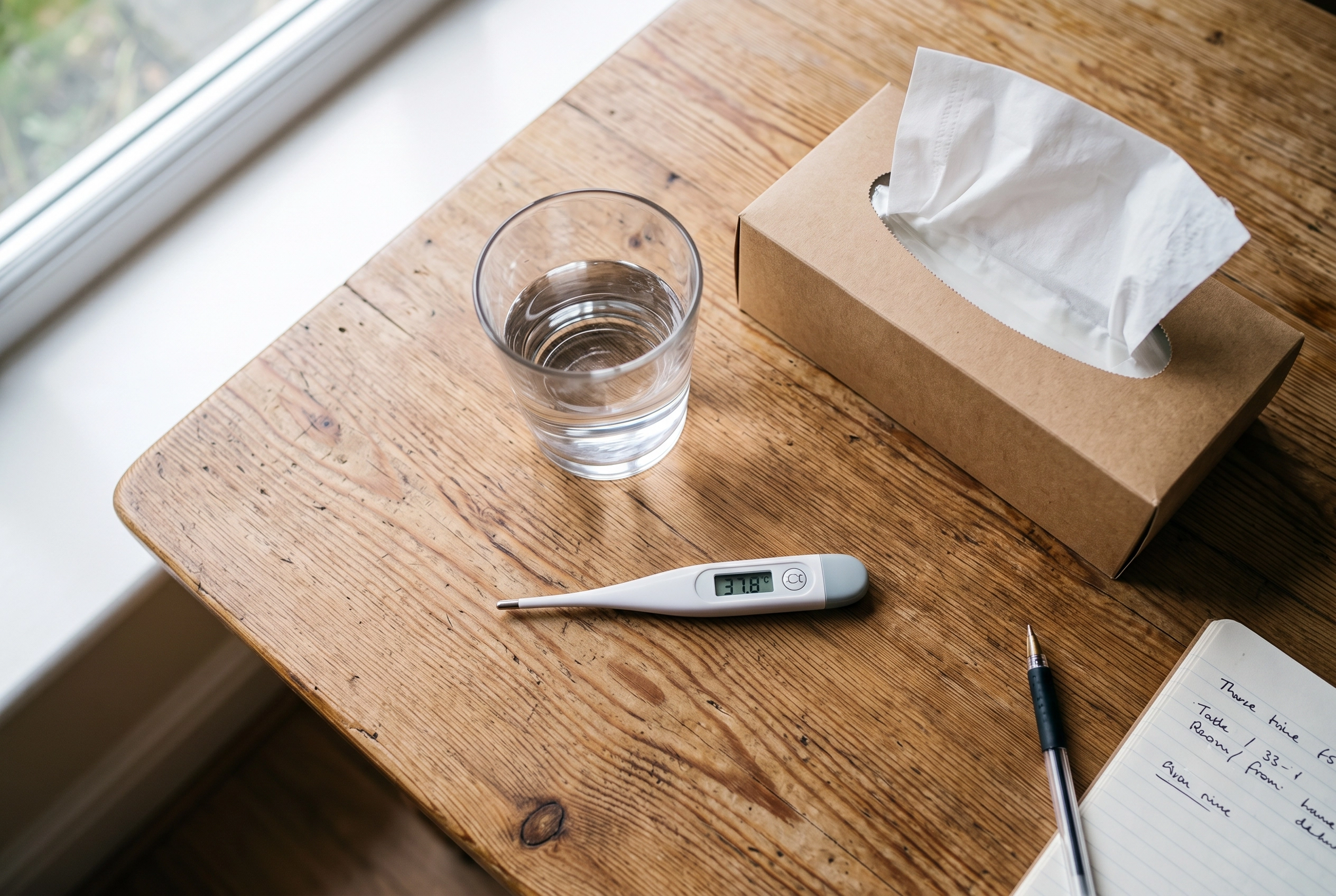
One of the most frequent causes of a sudden, out-of-nowhere blood sugar spike is an underlying illness. You don't even need to feel incredibly sick for this to happen. A mild fever, an asymptomatic COVID-19 infection, a brewing sinus infection, or even strep throat can trigger an immune response.
The Biology: When your body detects an invader (like a virus or bacteria), it mounts a defense. This defense mechanism requires massive amounts of energy. To fuel your white blood cells, your body releases stress hormones like adrenaline and cortisol, which instruct your liver to dump stored glucose into your bloodstream. Simultaneously, inflammation can temporarily make your cells more insulin resistant. The result? Higher blood sugar levels, even if you’re fasting.
2. The Cortisol Effect: Work Stress and the "Fight or Flight" Response

Never underestimate the power of a stressful week at work. Psychological stress can have a profound, immediate, and measurable impact on your metabolic health.
The Biology: Your brain cannot tell the difference between a looming project deadline and a physical threat like a chasing tiger. When you are deeply stressed, your adrenal glands pump out cortisol. Cortisol's primary evolutionary job is to ensure you have enough quick energy to survive a crisis—which it achieves by raising your blood sugar and blocking insulin from doing its job effectively. If you are going through a period of intense work pressure or personal turmoil, your baseline blood sugar will rise to match that stress.
3. The Sneaky Impact of Poor Sleep
Sleep is not just a time of rest; it is a critical period of metabolic housekeeping. Even just one or two nights of fragmented, poor-quality sleep can noticeably alter your blood sugar the next day.
The Biology: Sleep deprivation throws your hormones out of balance. It increases morning cortisol levels and decreases your body’s sensitivity to insulin. Your body essentially wakes up already fighting an uphill battle to process glucose efficiently.
4. The Liver's "Helpful" Glucose Dump
If you are eating a very low-carb, high-protein diet, your body still needs a baseline level of glucose for certain brain functions. When you don't eat carbs, your liver manufactures glucose from non-carbohydrate sources (like amino acids from protein) in a process called gluconeogenesis. Sometimes, especially during stressful periods or long fasting windows, the liver can overcompensate and dump too much glucose at once, leading to a spike.
5. Unintended Medication Side Effects
Have you recently started a new medication? Steroids (like prednisone), certain diuretics, antidepressants, and even some over-the-counter decongestants can dramatically spike blood sugar levels. Always cross-reference any new medications or supplements with your pharmacist.
Scenario Comparison: Food Spikes vs. Stress/Illness Spikes
Understanding how your blood sugar behaves can give you clues about the root cause.
| Feature | A Diet-Induced Spike | A Stress or Illness Spike |
| The Pattern | Rises sharply 1-2 hours after eating, then falls back down. | Stubbornly elevated all day, regardless of meals. |
| The Fasting Number | Usually normal, unless the late-night meal was very carb-heavy. | Noticeably higher than your usual morning average. |
| The Solution | Adjusting the meal composition or portion size. | Addressing the underlying stress, infection, or sleep deficit. |
Actionable Steps When You Can't See Your Doctor Right Away

Waiting a month or more for a doctor's appointment while watching your numbers climb is incredibly anxiety-inducing. While you wait, here are proactive steps you can take:
Rule out illness: Take your temperature. Pay attention to subtle signs like a sore throat, fatigue, or body aches. Consider taking an at-home COVID-19 test, just to rule it out.
Hydrate aggressively: High blood sugar forces your kidneys to work overtime to flush out excess glucose through urine. This can lead to dehydration, which paradoxically concentrates the glucose in your blood, raising your numbers further. Drink plenty of plain water.
Implement gentle movement: While intense exercise can sometimes temporarily spike blood sugar due to adrenaline, gentle, steady-state movement—like a 20-minute walk after meals—allows your working muscles to absorb glucose from your bloodstream without needing insulin.
Audit your sleep and stress: Try to enforce a strict bedtime routine. Practice deep breathing or meditation to actively signal to your nervous system that you are safe, which can help lower cortisol production.
Keep a detailed log: Don't just log your numbers. Document your stress levels out of 10, how many hours you slept, and any mild physical symptoms. This will be invaluable data for your doctor when July finally arrives.
Supporting Your Body’s Natural Balance
During times of metabolic stress, focusing on whole foods, hydration, and sleep is paramount. Some people also find value in adding a targeted supplement to their routine to support overall hormonal and metabolic health.
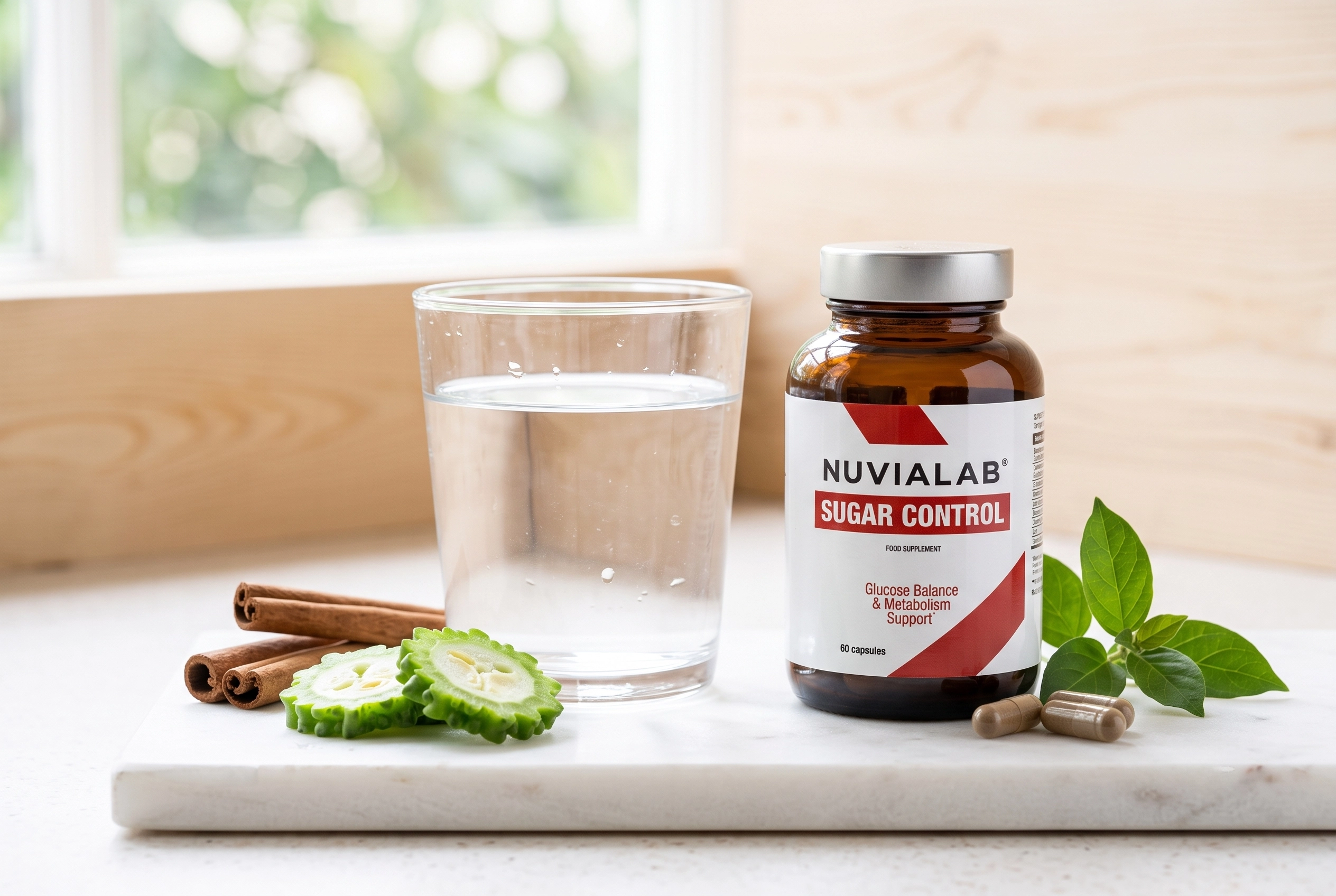
If you are looking for additional support, you might discuss a supplement like NuviaLab Sugar Control with your healthcare provider. This supplement features a combination of 9 ingredients, including certified plant extracts, vitamins, and minerals. Regular use is designed to support the maintenance of normal blood sugar levels and proper macronutrient metabolism. Because it also contributes to the regulation of hormonal activity and the reduction of feelings of fatigue, it may offer gentle, daily support during stressful periods. Always remember that supplements do not replace prescribed medications or professional medical advice.
When to Seek Immediate Medical Attention
While waiting for a scheduled appointment is often necessary, some situations require urgent care. Do not wait for your appointment if you experience:
Blood sugars consistently over 250-300 mg/dL that do not come down with your usual management strategies.
Symptoms of Diabetic Ketoacidosis (DKA), which include unquenchable thirst, frequent urination, nausea, vomiting, abdominal pain, confusion, or fruity-smelling breath.
An inability to keep fluids down.
If you experience these symptoms, contact an urgent care clinic or visit the emergency room.
Frequently Asked Questions (FAQ)
Why does protein sometimes spike my blood sugar?
While protein is essential, in the absence of carbohydrates (like on a strict keto diet), your body will convert some of that protein into glucose through gluconeogenesis. If you eat a very large serving of protein, you may see a slow, delayed rise in blood sugar several hours later.
Can artificial sweeteners cause spikes?
For most people, stevia, erythritol, and monk fruit do not impact blood sugar. However, some people have a mild insulin response to the sweet taste, or react to specific binders like maltodextrin (which does act like a carbohydrate).
Is a temporary spike of 200 mg/dL dangerous?
A single, temporary spike to 200 mg/dL is generally not an immediate medical emergency for most people, but it is a sign that your body is dealing with an acute stressor. The primary concern is if the numbers stay elevated for days or weeks, which can increase the risk of long-term complications.
Medical Disclaimer: This content is for informational purposes only and does not constitute medical advice. Never disregard professional medical advice or delay in seeking it because of something you have read in this article. Always consult with your physician or endocrinologist before altering your medication, modifying your diet, or taking new supplements such as the ones mentioned above. If you think you may have a medical emergency, call your doctor or emergency services immediately.
You should also read:

Blood Sugar Support in Real Life: What Actually Helps Day to Day?
If you have ever felt tired after a meal, craved something sweet in the afternoon, or felt confused by blood sugar numbers, the phrase “blood sugar support” can sound both helpful and vague. Some people use it to talk about food choices. Others use it…
Continue reading...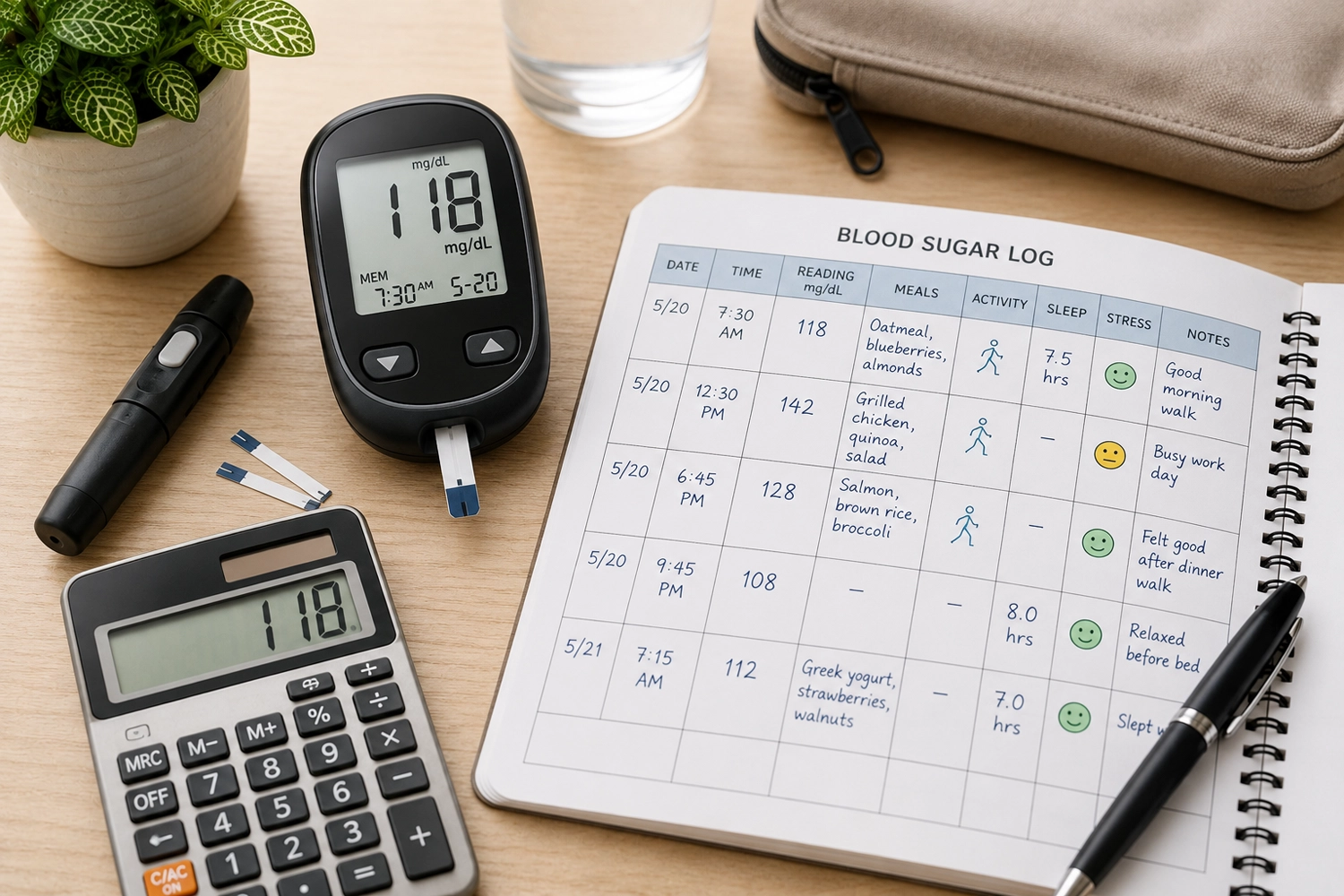
Glucose to A1C Calculator: How to Estimate A1C from Average Blood Sugar
If you track your blood sugar at home, you may already know numbers like 98, 126, 154, or 180 mg/dL. Then you go to a healthcare appointment and hear a different kind of number: your A1C. At first, it can feel like glucose readings and…
Continue reading...
When Managing Blood Sugar Starts to Feel Like a Full-Time Job
There is a particular kind of tiredness that comes from having to think about food all the time. Not just deciding what sounds good for dinner, but wondering what a meal might do to your energy, your cravings, or the numbers you may see later.
Continue reading...