Can Herbs Really Help With Blood Sugar? A Practical, Cautious Guide
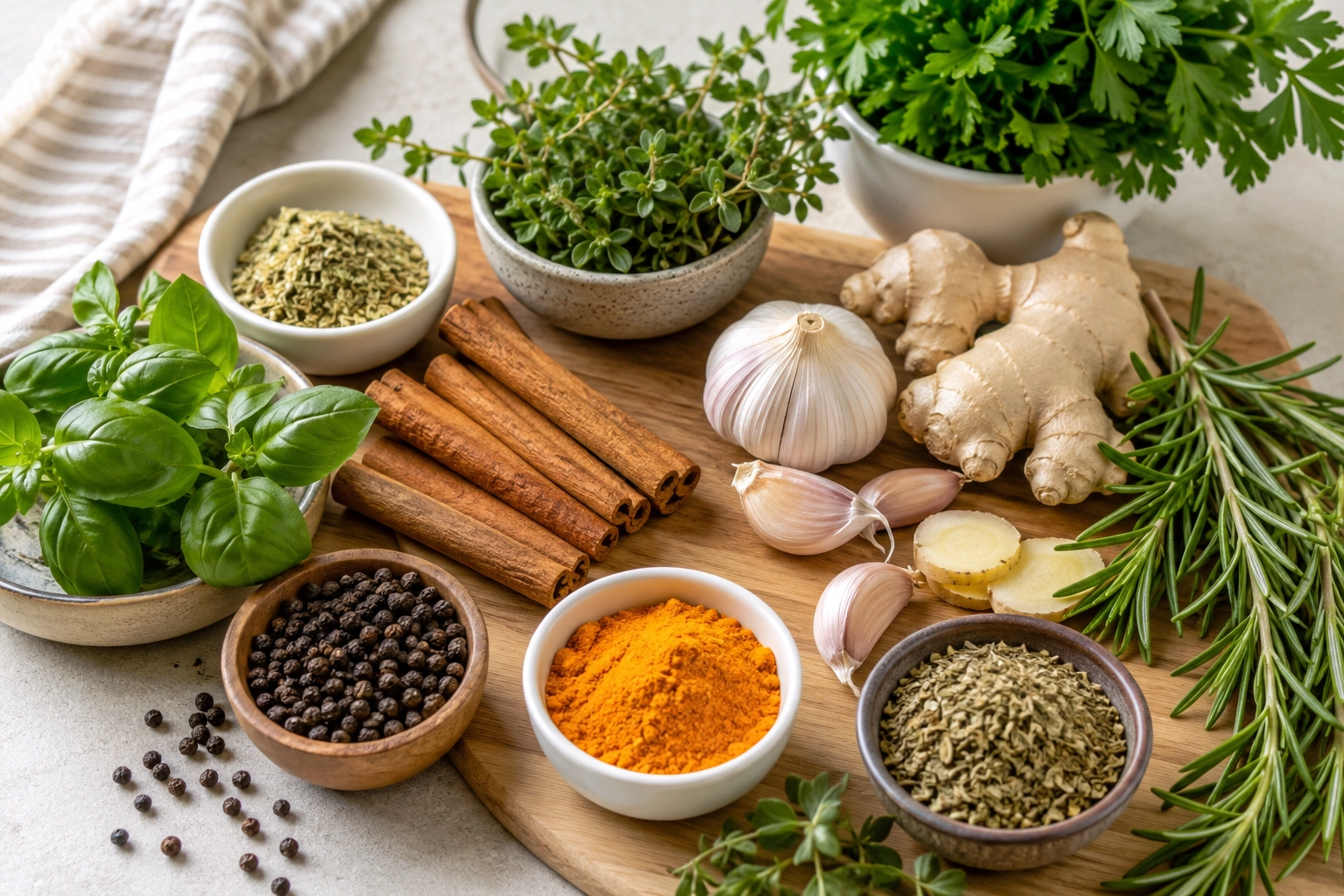
Table of Contents
- First, What Does “Lower Blood Sugar” Really Mean?
- Herbs vs Supplements: Why the Difference Matters
- Common Herbs and Plant Compounds People Ask About
- Use Herbs to Improve Meals, Not to Cancel Out Sugar
- Common Mistakes When Using Herbs for Blood Sugar
- A Practical Framework: Should You Try Herbs for Blood Sugar Support?
- Should You Use a Blood Sugar Support Supplement?
- When to Talk to a Healthcare Professional
- Practical Takeaway
- FAQ
- What herbs are commonly discussed for blood sugar support?
- Can herbs replace diabetes medication?
- Is cinnamon good for blood sugar?
- Is berberine an herb?
- Are blood sugar support supplements safe?
- What is the safest way to try herbs?
- Can herbs lower blood sugar quickly?
- Should I track my blood sugar when trying herbs?
Many people search for herbs to lower blood sugar because they want a natural way to feel more in control. Maybe your blood sugar has been higher than expected. Maybe you feel tired after meals. Or maybe you saw someone online say that cinnamon, bitter melon, or berberine “fixed” their blood sugar.
That kind of advice can sound hopeful, but it can also be misleading.
Herbs and plant compounds may have a place in a healthy lifestyle, especially when they help you build better meals and reduce added sugar. But herbs should not be treated as diabetes treatment, a replacement for medication, or a quick fix for high blood sugar. The safer way to think about them is this:
Herbs may support healthy blood sugar habits, but they are only one small part of the bigger picture.
This guide explains how herbs for blood sugar support are commonly discussed, what the risks are, and how to think about them in real life.
First, What Does “Lower Blood Sugar” Really Mean?
Blood sugar naturally changes throughout the day. It usually rises after eating, then gradually comes down as your body moves glucose from the blood into cells. That process can be affected by many things, including meal size, carbohydrate type, protein, fiber, sleep, stress, physical activity, illness, and medication.
This is why one blood sugar reading does not tell the whole story.
For example, a higher-than-usual reading after a large meal may mean something different from consistently high fasting readings. A number after poor sleep may not reflect your normal pattern. And a single lower reading after taking an herb does not prove that the herb caused the change.
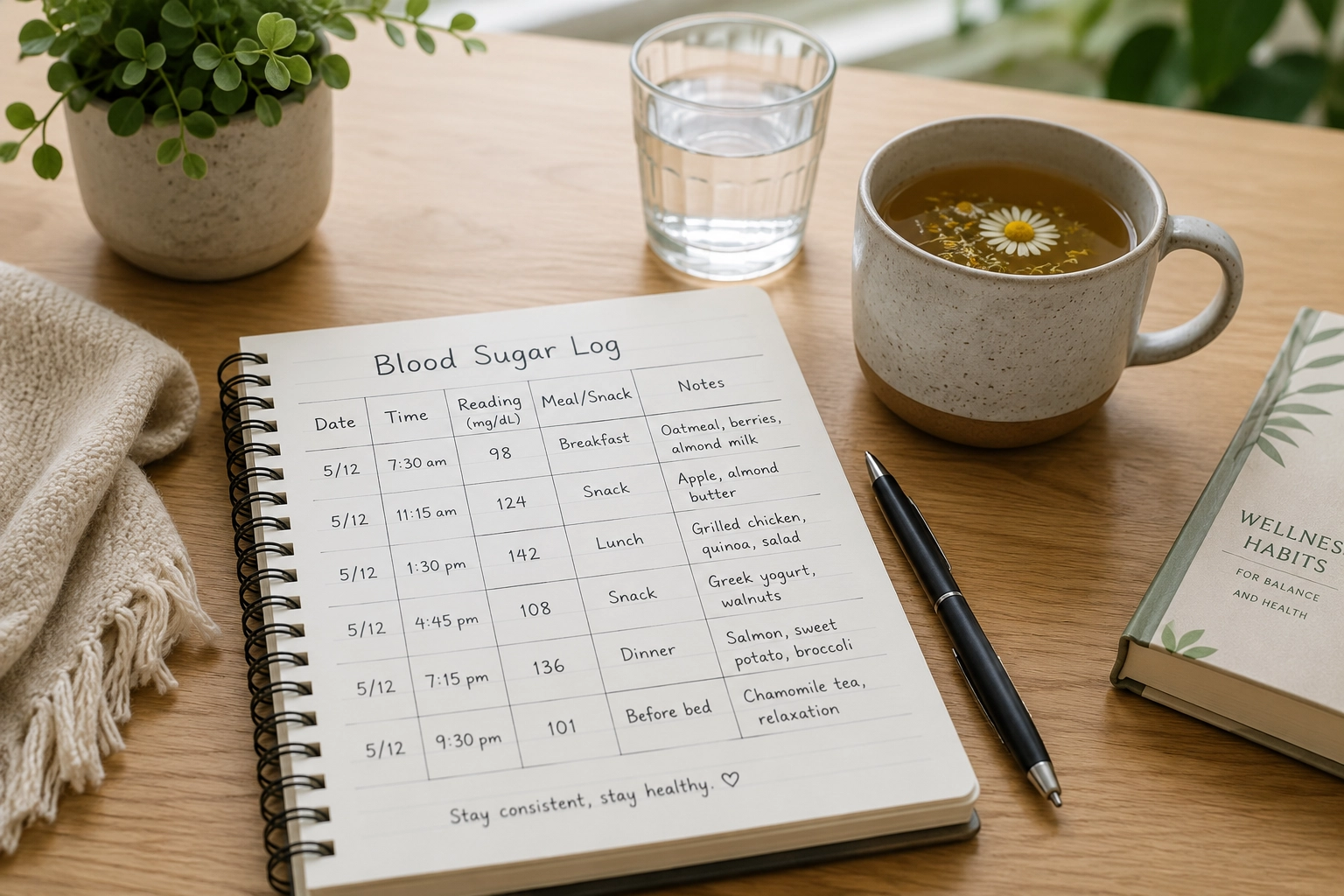
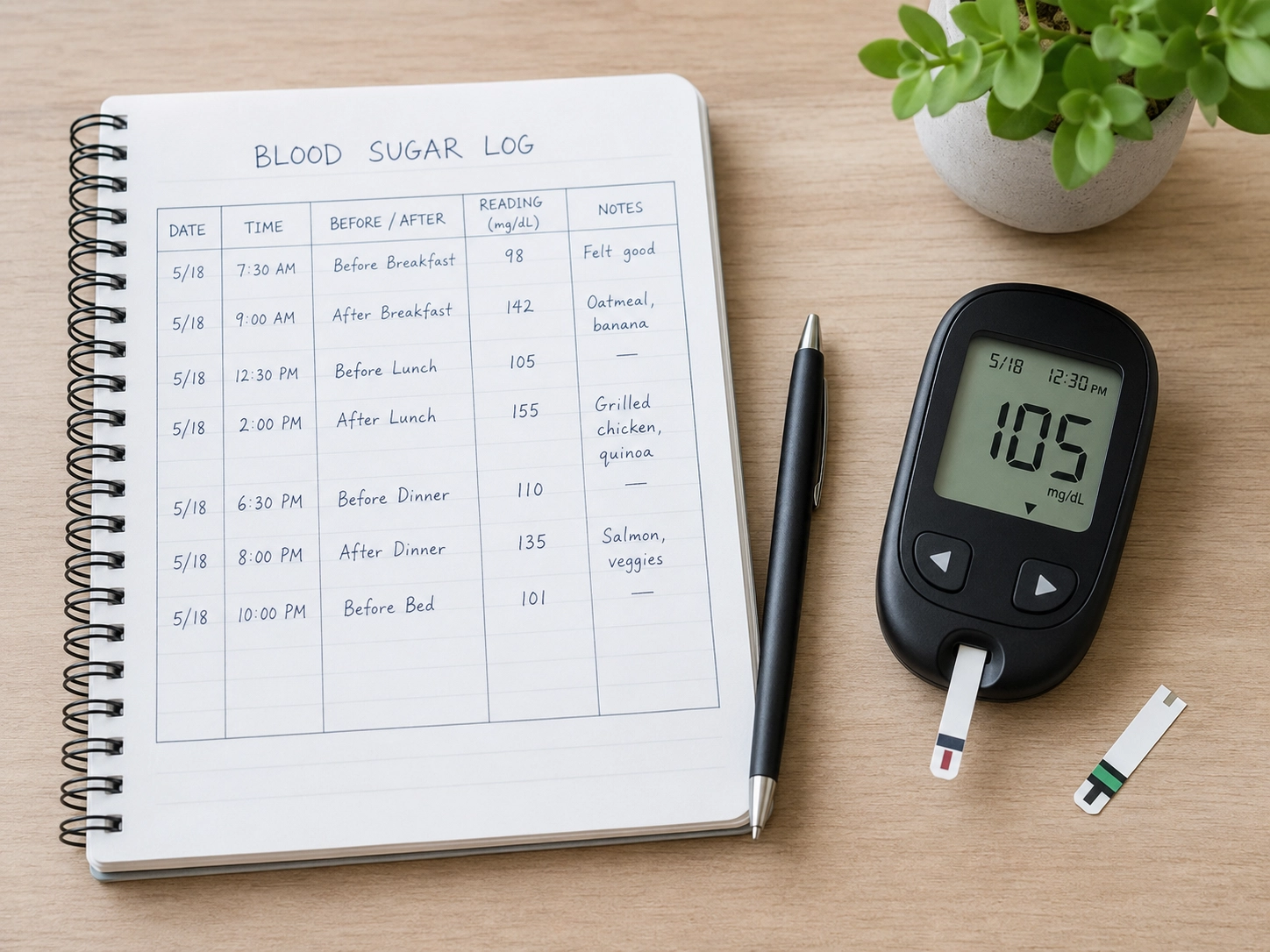
That is why tracking matters. A simple blood sugar log can help you see patterns instead of guessing. If you are trying to understand your numbers, it can also help to compare them with a normal blood sugar range chart, use a glucose to A1C calculator, or check a blood sugar conversion chart if you see mmol/L and mg/dL used in different places.
The goal is not to chase perfect numbers. The goal is to understand your patterns clearly enough to make better daily choices.
Herbs vs Supplements: Why the Difference Matters
One of the biggest misunderstandings about natural blood sugar support is that “herbs” and “supplements” are treated like the same thing. They are not always the same.
Herbs used in food
Using cinnamon in oatmeal, ginger in tea, turmeric in soup, or herbs in a savory meal is usually a food-level habit. These small amounts may help make meals more enjoyable without relying on sugar-heavy sauces, syrups, or desserts.
For many people, this is the safest and most practical way to use herbs.
Concentrated supplements
Capsules, extracts, powders, and tinctures are different. They may contain much larger amounts of active compounds than you would normally eat in food. They may also vary in quality, strength, purity, and labeling accuracy.
This does not mean every supplement is unsafe. It means supplements deserve more caution than adding spices to food.
Herbs with medication
If you take medication for diabetes or blood sugar management, herbs and supplements need extra care. Some may affect blood sugar or interact with medication in ways that are hard to predict. This is especially important if you use insulin or other glucose-lowering medication.
Natural does not always mean risk-free.
Common Herbs and Plant Compounds People Ask About
This section is not a list of “best herbs” or a promise that these will lower blood sugar. Instead, it explains what people commonly ask about and how to think about each one safely.
Cinnamon
Cinnamon is one of the most popular herbs for blood sugar conversations. It is easy to add to food, inexpensive, and familiar.
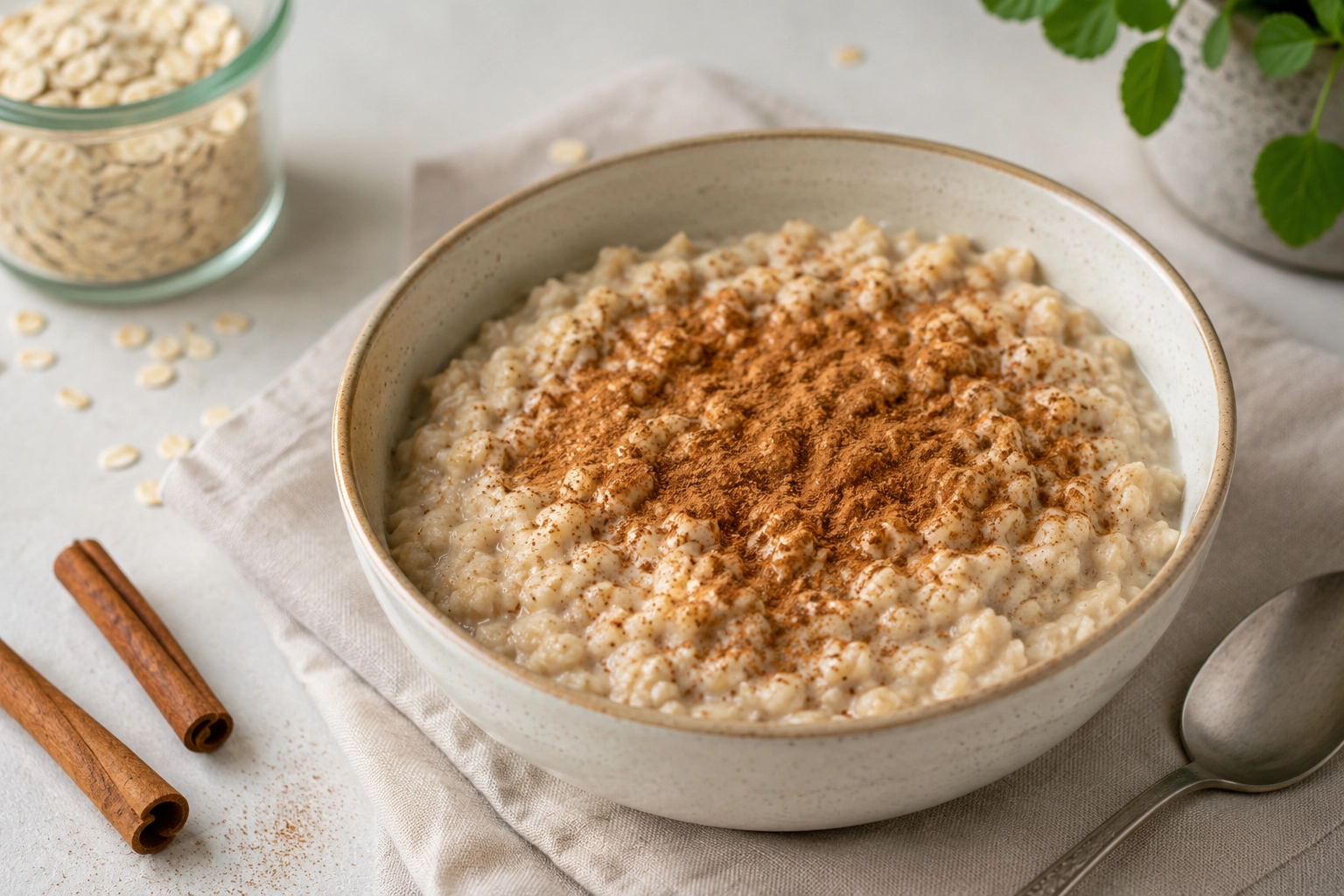
Some people use cinnamon because it adds sweetness-like flavor without adding sugar. For example, cinnamon in unsweetened yogurt, oatmeal, chia pudding, or coffee may help make a meal feel more satisfying without needing syrup or sweetened creamer.
But cinnamon should not be treated as a blood sugar treatment. It also does not cancel out a high-sugar meal.
A realistic example: adding cinnamon to oatmeal can be a helpful flavor habit. But if the oatmeal also includes honey, sweetened dried fruit, flavored creamer, and a large portion size, the cinnamon does not make the meal automatically blood-sugar-friendly.
There is also a safety point: some types of cinnamon, especially cassia cinnamon, may contain coumarin, a compound that can be a concern in large amounts. This is another reason to be careful with high-dose cinnamon supplements.
Berberine
Berberine is often discussed online as a natural blood sugar support supplement. It is a plant compound found in several plants, but most people encounter it as a capsule or supplement rather than a kitchen herb.
Because berberine is usually taken in concentrated form, it belongs in the “more caution” category. It may affect how the body handles glucose and may interact with medications. It may also cause digestive side effects for some people.
Berberine is not something to casually add on top of diabetes medication without professional guidance. People who are pregnant, breastfeeding, managing liver or kidney concerns, taking several medications, or preparing for surgery should be especially cautious.
A safer article takeaway is this: berberine may be discussed for blood sugar support, but it should not be treated like a harmless spice.
Bitter Melon
Bitter melon is used as a food in some traditional cuisines and is also sold as tea, capsules, powders, and extracts.
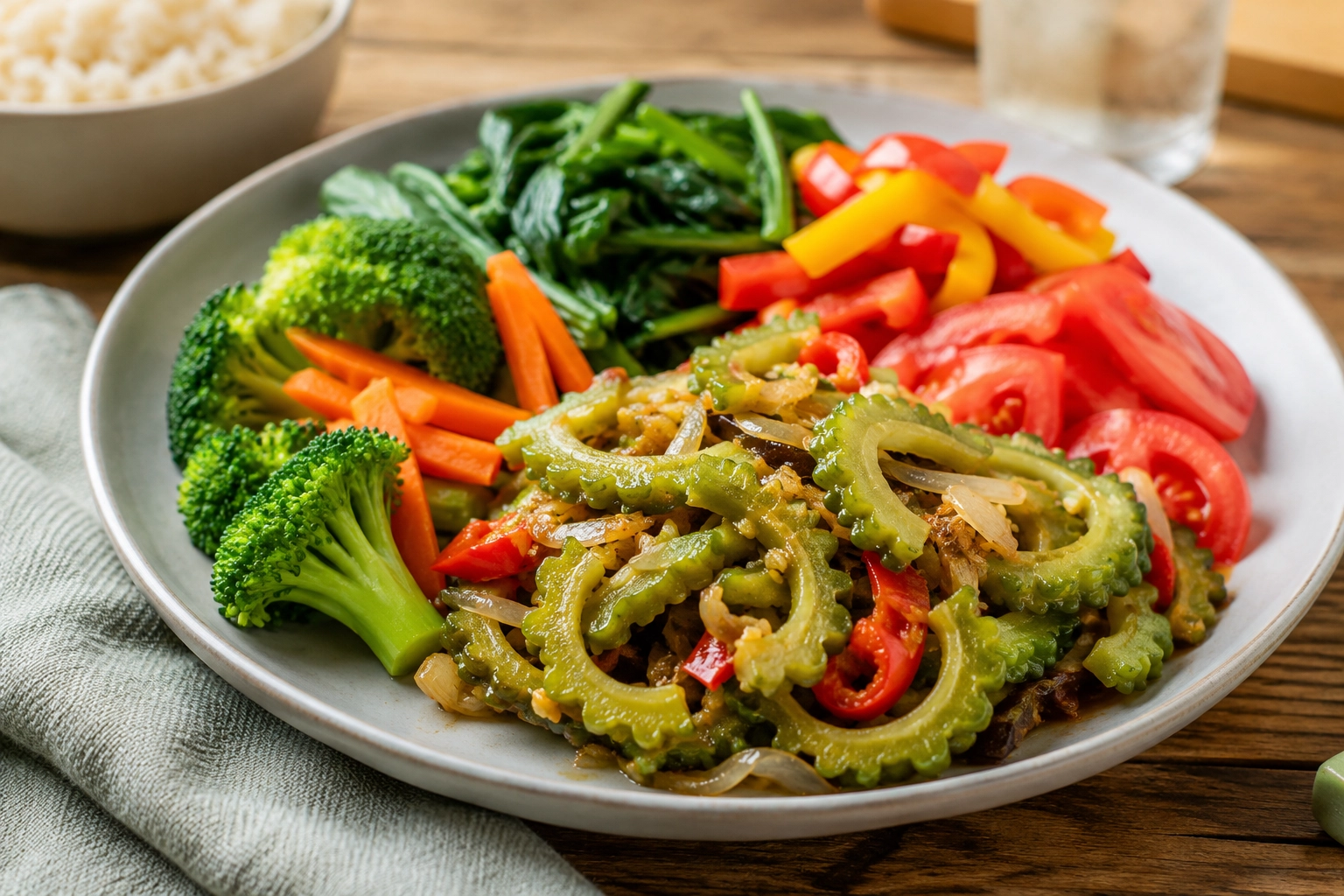
As food, bitter melon may be part of a balanced meal. But concentrated bitter melon supplements are a different situation. The dose, form, and interaction risk can vary.
For example, someone eating bitter melon with vegetables, protein, and rice is not doing the same thing as someone taking bitter melon capsules while also using glucose-lowering medication. The second person has more reason to talk with a healthcare professional first.
Bitter melon is also not appropriate to present as a diabetes treatment or guaranteed blood sugar solution.
Fenugreek
Fenugreek seeds are used in cooking and traditional remedies. They contain fiber-like compounds, which is one reason fenugreek is sometimes discussed in relation to blood sugar and digestion.
However, fenugreek can also cause digestive discomfort for some people. In supplement form, it may interact with medications or be unsuitable for certain situations.
A practical way to frame fenugreek is this: using it as part of cooking is different from using concentrated capsules every day. If medication is involved, caution matters.
Ginger and Turmeric
Ginger and turmeric are often associated with general wellness. They are commonly used in teas, soups, curries, stir-fries, and other meals.
Their most practical benefit may not be that they directly change blood sugar. Instead, they can help make lower-sugar meals taste better.
For example, ginger can make unsweetened tea more enjoyable. Turmeric can add depth to soups or vegetable dishes. Garlic, herbs, spices, vinegar, lemon, and chili can all make balanced meals feel less boring.
This matters because people are more likely to stick with healthy blood sugar habits when their food still tastes good.
Ginseng and Aloe Vera
Ginseng and aloe vera are also commonly mentioned in natural blood sugar discussions. However, they can vary widely by product type, preparation, and dose.
Aloe vera juice, aloe gel, capsules, and extracts are not all the same. Ginseng products can also differ depending on the type of ginseng and how it is prepared.
Because of that variation, these are not ingredients to use casually for blood sugar control. They may also interact with medication or cause side effects in some people.
Use Herbs to Improve Meals, Not to Cancel Out Sugar
One of the most useful mindset shifts is this:
Herbs can support a better meal, but they cannot rescue a poor meal pattern.
Cinnamon does not cancel out a sugary dessert. Ginger tea does not undo a day of constant snacking. Bitter melon does not replace balanced meals, movement, sleep, or medication when medication is needed.
A better use of herbs is to make blood-sugar-friendly meals easier to enjoy.
For example:
- Add cinnamon to plain yogurt instead of buying sweetened yogurt.
- Use ginger, garlic, and herbs to make vegetables more appealing.
- Add turmeric and black pepper to soups or lentils for flavor.
- Use herbs, lemon, vinegar, or chili instead of sugary sauces.
- Choose unsweetened tea with spices instead of sweet drinks.
These changes may seem small, but they can support better habits over time.
Common Mistakes When Using Herbs for Blood Sugar
Mistake 1: Expecting fast results
Be careful with any advice that promises quick blood sugar lowering. Blood sugar is affected by many factors, and fast changes can be risky for some people, especially those on medication.
Mistake 2: Taking multiple supplements at once
If someone starts cinnamon capsules, berberine, bitter melon tea, intermittent fasting, and a low-carb diet all in the same week, they will not know what is helping or what is causing side effects.
Changing too many things at once also makes it harder to notice low energy, digestive issues, cravings, or unusual readings.
Mistake 3: Ignoring medication interactions
This is one of the most important safety concerns. If you use medication that affects blood sugar, adding herbs or supplements without guidance may create unpredictable results.
This does not mean you should be afraid of every herb in food. It means concentrated supplements deserve a careful conversation with a healthcare professional.
Mistake 4: Trusting social media dosage advice
Online videos often make herbs sound simple: “Take this every morning” or “Use this before meals.” But dosage advice online may not fit your health history, medication, pregnancy status, kidney or liver health, or personal blood sugar targets.
What worked for one person may not be safe or useful for another.
Mistake 5: Thinking natural means safe
Many strong substances come from nature. Herbs can affect digestion, blood pressure, bleeding risk, liver enzymes, kidney function, medication effects, or pregnancy safety.
The word “natural” should not replace careful thinking.
A Practical Framework: Should You Try Herbs for Blood Sugar Support?
Here is a simple five-step checklist.
Step 1: Start with food-level herbs
Before thinking about capsules, start with herbs and spices in normal meals. This may help reduce sugar-heavy flavor habits without adding supplement risk.
Step 2: Know your baseline
Track your meals, energy, sleep, movement, and glucose readings if you monitor blood sugar. A blood sugar log can help you understand what is normal for you.
Step 3: Change one thing at a time
Do not start several supplements or major diet changes together. A slower approach helps you see what actually affects your routine.
Step 4: Be extra careful if medication is involved
If you take diabetes medication, blood pressure medication, blood thinners, or several prescriptions, talk with a healthcare professional before using concentrated herbal products.
Step 5: Focus on the whole routine
Ask yourself:
- Are my meals balanced with protein, fiber, and healthy fats?
- Am I drinking sugary beverages often?
- Do I move after meals?
- Am I sleeping enough?
- Is stress affecting my eating or glucose patterns?
- Am I tracking consistently enough to see patterns?
Herbs may support the routine, but they should not become the whole plan.
Should You Use a Blood Sugar Support Supplement?
Some readers may consider a blood sugar support supplement. This article should not tell you that you need one.
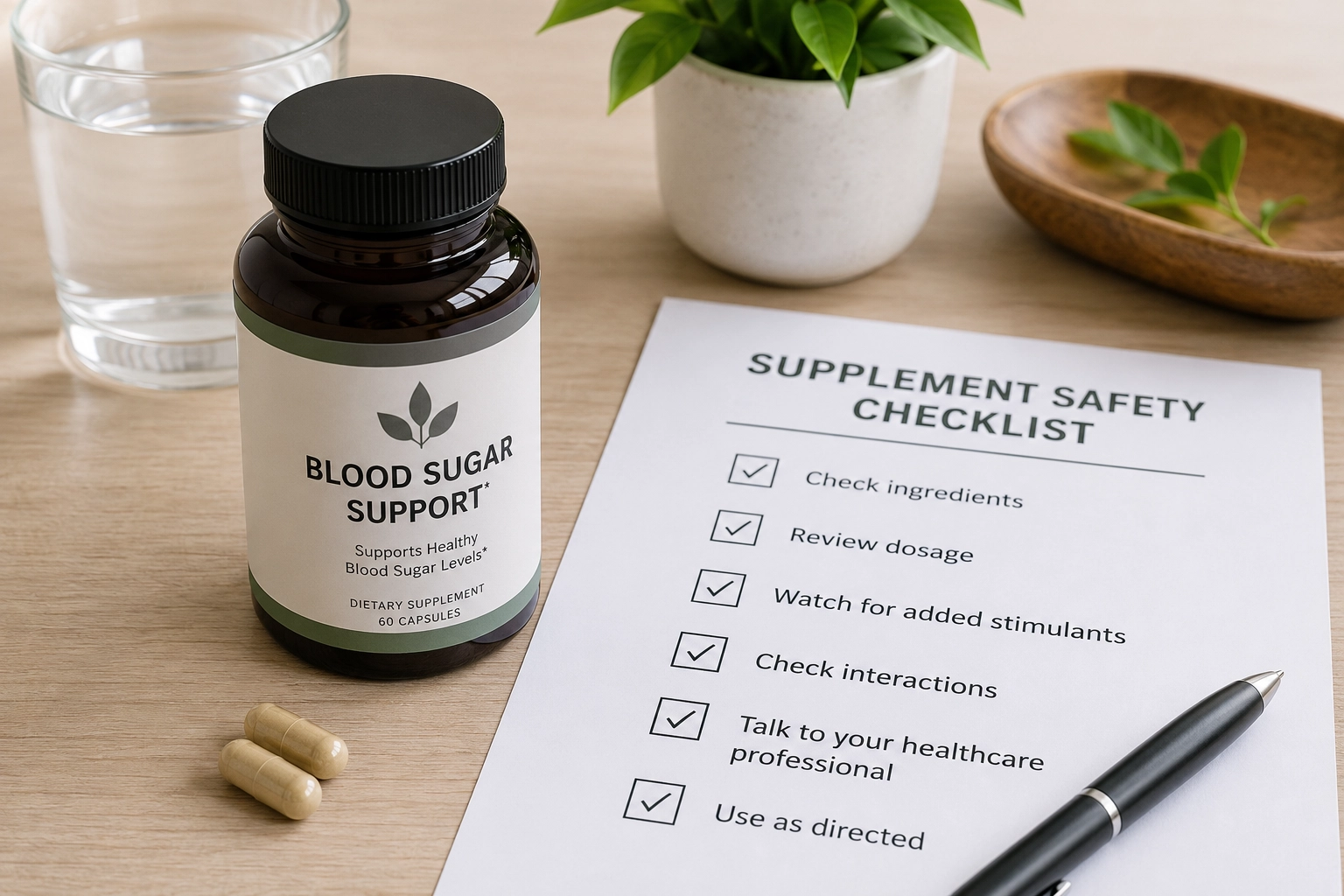
Supplements may be an option some people explore, but they should stay secondary to food habits, movement, sleep, monitoring, and professional care. They should not be treated as a cure, a medication replacement, or a shortcut.
If you are considering any supplement, look for general quality signs:
- A clear ingredient label
- Realistic claims
- No promises to cure, reverse, or treat diabetes
- Transparent serving information
- Third-party testing when available
- Professional guidance if you take medication or have a health condition
Be especially cautious with products that use fear, urgency, “secret cure” language, or unrealistic before-and-after claims.
When to Talk to a Healthcare Professional
Talk with a healthcare professional before using concentrated herbs or supplements if:
- You have diabetes or prediabetes
- You take medication that affects blood sugar
- You have frequent symptoms of low blood sugar
- You are pregnant, trying to conceive, or breastfeeding
- You have liver or kidney concerns
- You take multiple medications
- You are preparing for surgery
- Your glucose readings are often outside your target range
- You are unsure how to interpret your blood sugar or A1C numbers
This is not about asking permission for every spice in your kitchen. It is about being careful when herbs become concentrated, frequent, or combined with medication.
Practical Takeaway
Herbs may have a place in a healthy blood sugar routine, but they are not a shortcut.
The safest way to use them is usually through food: cinnamon in plain yogurt, ginger in tea, turmeric in soups, herbs in savory meals, and spices that help you enjoy less sugary options.
Concentrated supplements are different. They may have stronger effects, more uncertainty, and higher interaction risk. This is especially important for anyone using diabetes medication or managing other health conditions.
Instead of asking, “What herb lowers blood sugar?” a better question is:
“What daily habits can support steadier blood sugar, and where might herbs fit safely?”
That question leads to better meals, better tracking, and safer decisions.
FAQ
What herbs are commonly discussed for blood sugar support?
Cinnamon, fenugreek, bitter melon, ginger, turmeric, berberine-containing plants, ginseng, and aloe vera are commonly discussed. However, evidence, safety, product quality, and individual response can vary.
Can herbs replace diabetes medication?
No. Herbs should not replace prescribed medication or medical care. If you take diabetes medication and want to try herbs or supplements, talk with a healthcare professional first.
Is cinnamon good for blood sugar?
Cinnamon is often discussed for blood sugar support and can be a useful flavor habit when it helps reduce added sugar. But it should not be treated as a reliable treatment or a way to cancel out sugary foods.
Is berberine an herb?
Berberine is a plant compound often sold as a supplement. It is not usually used like a normal kitchen herb. Because it may interact with medications and may cause side effects, it should be approached carefully.
Are blood sugar support supplements safe?
Some may be safe for some people, but safety depends on the ingredients, dose, product quality, medications, and health conditions. Avoid products that promise to cure, reverse, or quickly lower diabetes-related blood sugar problems.
What is the safest way to try herbs?
Start with normal food amounts, change one thing at a time, track your routine, and talk with a healthcare professional before using concentrated supplements if you take medication or have a medical condition.
Can herbs lower blood sugar quickly?
This article does not recommend trying to lower blood sugar quickly with herbs. Blood sugar changes depend on meals, activity, sleep, stress, medication, and individual health. Fast or unpredictable changes may be risky for some people.
Should I track my blood sugar when trying herbs?
If you already monitor blood sugar, tracking can help you notice patterns. A simple blood sugar log can show how meals, sleep, stress, movement, and new habits may relate to your readings.
Health Disclaimer: This article is for general educational purposes only and is not medical advice. Herbs and supplements should not be used to diagnose, treat, cure, or prevent diabetes or any medical condition. If you have diabetes, prediabetes, take medication, are pregnant or breastfeeding, or have liver or kidney concerns, talk with a qualified healthcare professional before using herbal supplements.
You should also read:
How to Use a Blood Sugar Log Without Feeling Overwhelmed
Checking your blood sugar can feel simple at first: test, see a number, write it down. But after a few days, many people realize the hard part is not getting the number. The hard part is understanding what the number means. Why was your morning…
Continue reading...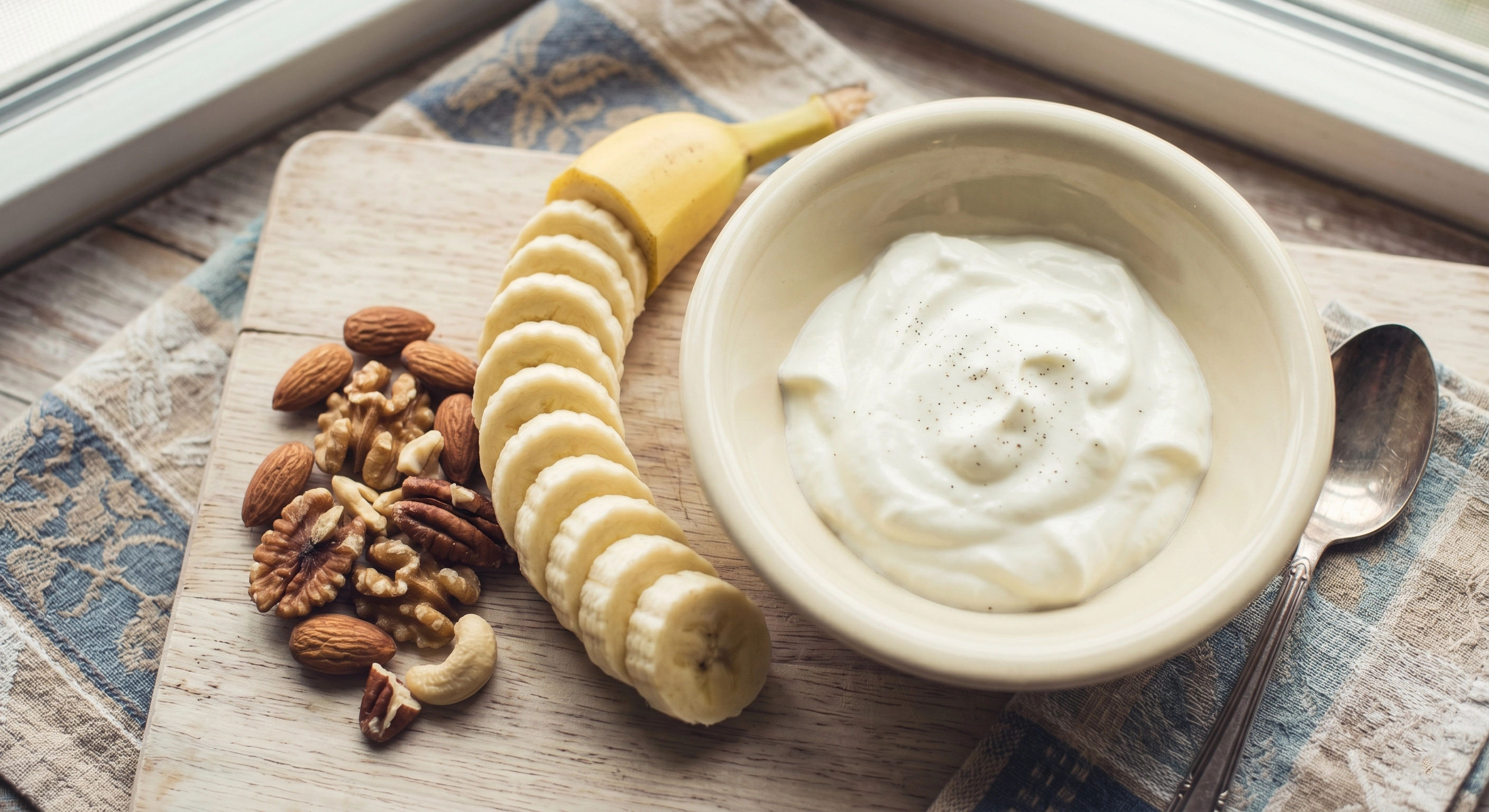
Can Banana Be Eaten in Diabetes? A Practical Guide to Portion, Ripeness, and Blood Sugar
Bananas are one of those everyday foods that can feel confusing if you are watching your blood sugar. On one hand, a banana is a whole fruit. It is simple, affordable, portable, and naturally sweet. On the other hand, you may have heard that bananas…
Continue reading...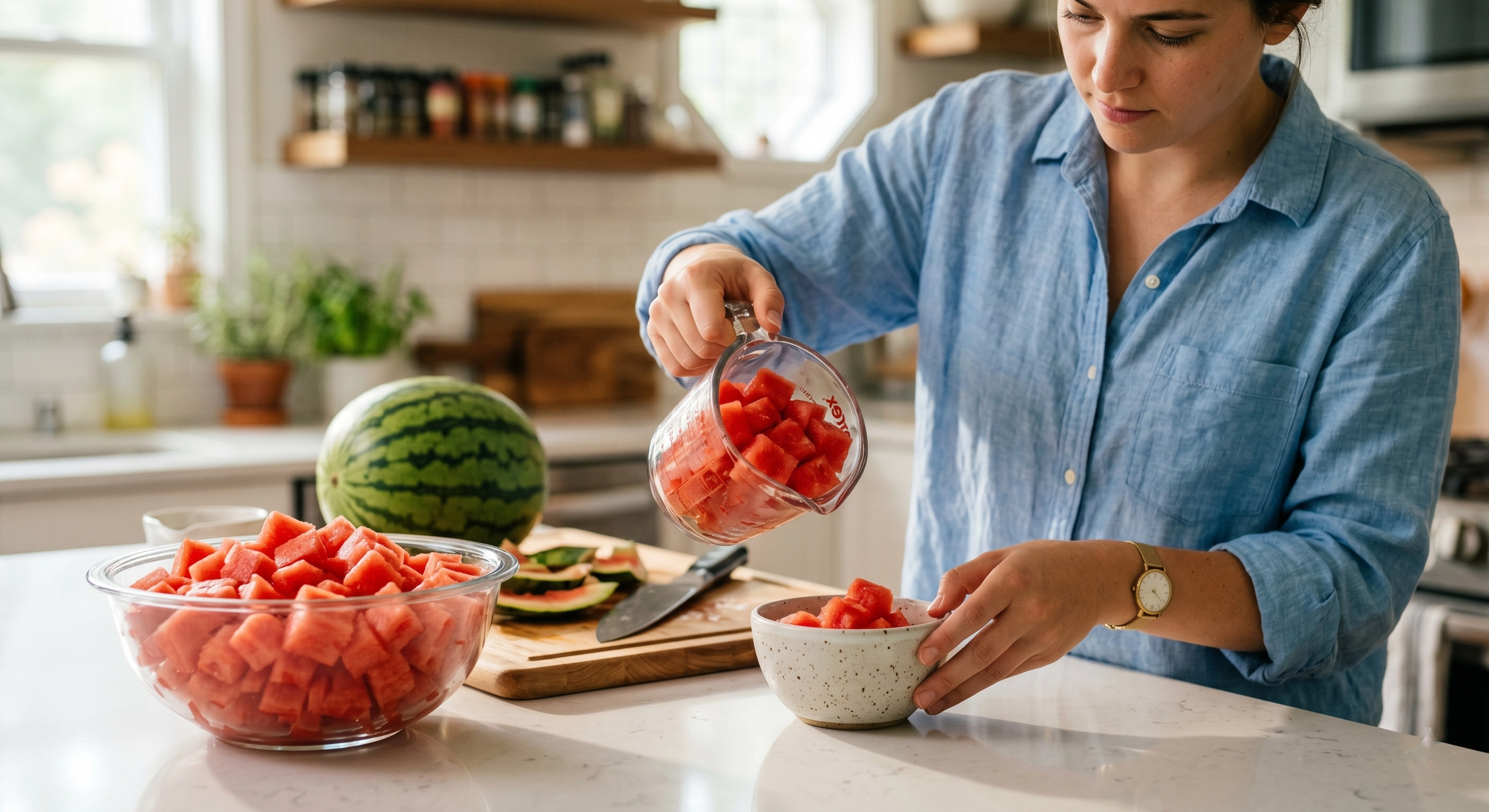
Can You Eat Watermelon with Diabetes? A Practical Guide Without Food Fear
Watermelon is one of those foods that can feel confusing if you are watching your blood sugar. It is fresh, light, and mostly water. At the same time, it tastes very sweet. So it is natural to wonder: can diabetics eat watermelon, or is it…
Continue reading...