Can Skinny People Get Diabetes? What Thin and Normal-Weight People Should Know

Many people think of diabetes as something that only happens to people who are overweight. So if you are thin, active-looking, or have always had a smaller body, it can feel confusing to even ask the question: can skinny people get diabetes?
The simple answer is yes, thin or normal-weight people can develop diabetes. But that answer needs context. Being skinny does not automatically mean your blood sugar is healthy, just like being heavier does not automatically mean someone has diabetes. Body weight is only one part of a much bigger picture.
Diabetes is about how your body handles glucose, how insulin works, and how different risk factors come together over time. Some of those risk factors are visible from the outside. Many are not.
This article explains why diabetes can happen in skinny people, what signs may matter, what common assumptions can lead people in the wrong direction, and when it makes sense to talk with a healthcare professional.
Health disclaimer: This article is for general educational purposes only. It is not a diagnosis or treatment plan. If you have symptoms, abnormal blood sugar readings, or concerns about diabetes risk, speak with a qualified healthcare professional and ask about appropriate testing.
Can Skinny People Get Diabetes?
Yes, skinny people can get diabetes. A person does not need to look overweight to have blood sugar problems, insulin resistance, type 1 diabetes, prediabetes, or type 2 diabetes.

The important point is this: diabetes is not diagnosed by appearance. It is diagnosed with blood tests and medical evaluation.
A thin person may have normal blood sugar. Another thin person may have elevated blood sugar. You cannot tell the difference just by looking at them.
This is why statements like “you are too skinny to have diabetes” can be misleading. They may sound reassuring, but they can also cause people to ignore symptoms or delay testing.
Body Weight Is Only One Piece of the Picture
Body weight can influence diabetes risk, especially for type 2 diabetes, but it is not the only factor. Diabetes risk can also be affected by family history, age, physical activity, sleep, stress, medical history, body composition, medications, and how the body responds to insulin.
For example, imagine two people with the same body weight.
One person walks daily, sleeps well, eats balanced meals, and has no family history of diabetes. Another person sits most of the day, sleeps poorly, drinks several sweet drinks, and has a parent with type 2 diabetes. They may look similar from the outside, but their risk picture is not the same.
This does not mean the second person definitely has diabetes. It simply means appearance alone is not enough information.
Diabetes Is About Blood Sugar Regulation, Not Appearance
After you eat carbohydrates, your body breaks them down into glucose, a type of sugar that enters your bloodstream. Insulin helps move that glucose from the blood into your cells, where it can be used for energy.
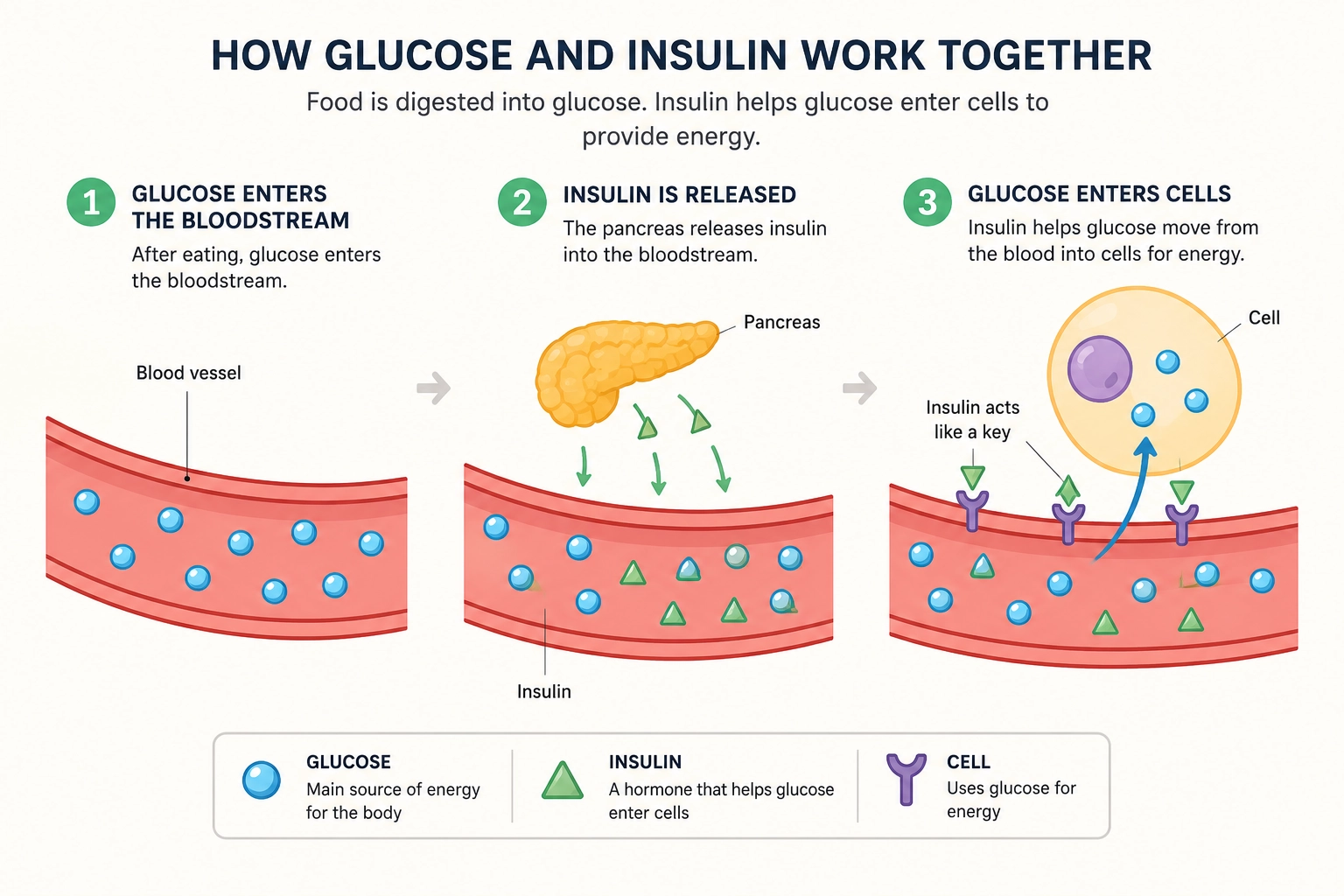
Blood sugar problems can happen when:
- The body does not make enough insulin
- The body does not use insulin effectively
- The immune system damages insulin-producing cells
- Glucose regulation becomes impaired for other medical reasons
That process is happening inside the body. It is not always obvious from weight, clothing size, or how “healthy” someone looks.
This is why thin people and diabetes can still be connected in some cases. A person can look lean but still have problems with insulin function, glucose tolerance, or blood sugar patterns.
Why Can Diabetes Happen in Thin or Normal-Weight People?
There is no single reason. Different people can develop diabetes or blood sugar problems for different reasons. Here are some of the main possibilities.
Family History and Genetics
Family history can matter. If a parent or sibling has type 2 diabetes, your own risk may be higher, even if you are not overweight.
This does not mean you are destined to develop diabetes. It means you may want to be more aware of your risk factors and consider regular checkups, especially if you have symptoms or past abnormal blood sugar results.
A common real-life example is a thin adult who says, “My father has diabetes, but I thought I was safe because I’m slim.” In reality, being slim may be helpful in some ways, but it does not erase genetic risk.
Insulin Resistance Can Happen in Thin People
Insulin resistance means the body has a harder time responding to insulin. When that happens, the body may need more insulin to keep blood sugar in a healthy range.
Many people associate insulin resistance with excess weight, but insulin resistance in thin people can also happen. It may be related to genetics, low muscle mass, inactivity, poor sleep, chronic stress, high intake of refined carbohydrates or sugary drinks, or fat stored around internal organs rather than under the skin.
This is sometimes why a person can appear skinny but still have metabolic concerns.
For example, someone may have a small frame but spend most of the day sitting, rarely do resistance exercise, sleep five hours a night, and rely on sweet coffee and white bread to get through work. Their body size may look “normal,” but their daily habits may still affect glucose regulation.
Type 1 Diabetes Is Not Caused by Body Weight
Type 1 diabetes is different from type 2 diabetes. It is an autoimmune condition in which the body attacks insulin-producing cells. It is not caused by being overweight.
Type 1 diabetes can occur in children, teens, or adults. Some adults develop autoimmune diabetes more slowly, which can make the picture confusing at first.
Sudden symptoms such as extreme thirst, frequent urination, unexplained weight loss, weakness, or feeling very unwell should not be ignored. A thin person with these symptoms should not assume everything is fine just because their body weight is low.
Lifestyle Patterns Still Matter
Thin people can still have habits that make blood sugar regulation harder.
Some examples include:
- Drinking sweet coffee, soda, fruit juice, or energy drinks often
- Eating mostly refined carbs with little protein or fiber
- Skipping meals, then overeating at night
- Sitting for long periods with little movement
- Sleeping poorly
- Living with chronic stress
- Having very little muscle mass
None of these habits means someone will definitely develop diabetes. But over time, they may be associated with less stable blood sugar patterns in some people.
This is not about blame. Many people develop these habits because of work schedules, stress, budget, family responsibilities, or lack of time. The goal is simply to understand that “skinny” does not always mean “metabolically protected.”
Medical History, Medications, or Other Conditions
Certain health conditions or medications may influence blood sugar. For example, some people may have hormonal conditions, liver-related issues, a history of gestational diabetes, or medications that can affect glucose levels.
If you suspect a medical factor may be involved, it is best to discuss it with a healthcare professional rather than trying to figure it out through online checklists.
Signs of Diabetes in Skinny People
Signs of diabetes in skinny people are often similar to signs in people of any body size. Symptoms do not become “different” just because someone is thin.
Possible signs can include:
- Feeling more thirsty than usual
- Urinating more often
- Feeling unusually hungry
- Feeling tired or weak
- Blurry vision
- Slow-healing cuts or wounds
- Frequent infections
- Unexplained weight loss
- Tingling or numbness in the hands or feet
These symptoms can have many possible causes. Fatigue could be from poor sleep, stress, anemia, thyroid problems, depression, or other issues. Frequent urination could be related to hydration, caffeine, urinary problems, or blood sugar. Blurry vision can also have different causes.
That is why symptoms should not be used to self-diagnose diabetes. They should be used as a reason to pay attention and consider proper testing.
Why Normal-Weight Diabetes Can Be Easy to Miss
Normal weight diabetes can be missed because many people still connect diabetes only with body size. This can create a false sense of safety.
A thin person may think:
- “I don’t need to check my blood sugar.”
- “I eat a lot of sugar, but I don’t gain weight, so it must be fine.”
- “I can’t have diabetes because I’m not overweight.”
- “My tiredness after meals is probably normal.”
- “The doctor won’t take me seriously because I look healthy.”
These assumptions can delay action.
Some people do not notice symptoms until a routine blood test shows an abnormal fasting glucose or A1C result. Others may only start paying attention after a family member is diagnosed and they begin thinking about their own risk.
This is why it can be useful to understand normal blood sugar ranges and, when appropriate, track readings in a simple blood sugar log. The goal is not to become anxious about every number. The goal is to have better information.
What Should You Do If You Are Thin but Worried About Diabetes?
If you are thin and concerned about diabetes, the best first step is not panic. It is also not buying random products or trying extreme diets.
A better approach is to look at risk factors, symptoms, and testing.
Step 1: Look at Risk Factors, Not Appearance
Ask yourself:
- Do I have a parent or sibling with diabetes?
- Have I ever had an abnormal blood sugar or A1C result?
- Do I feel unusually thirsty or urinate more often than normal?
- Am I losing weight without trying?
- Do I often feel very tired after meals?
- Do I sit most of the day?
- Do I sleep poorly most nights?
- Did I have gestational diabetes in the past?
- Am I taking any medication that may affect blood sugar?
- Do I have other health conditions that may influence glucose levels?
These questions do not diagnose diabetes. They simply help you decide whether a conversation with a healthcare professional would be wise.
Step 2: Ask About Proper Testing
Diabetes is diagnosed through blood tests, not body type. A healthcare professional may recommend tests such as:
- A1C, which reflects average blood sugar over the past few months
- Fasting blood glucose, which measures blood sugar after fasting
- Random blood glucose, which may be used when symptoms are present
- Oral glucose tolerance testing, which checks how the body handles glucose over time
You do not need to memorize every test. The key idea is that proper testing gives much better information than guessing based on weight or symptoms.
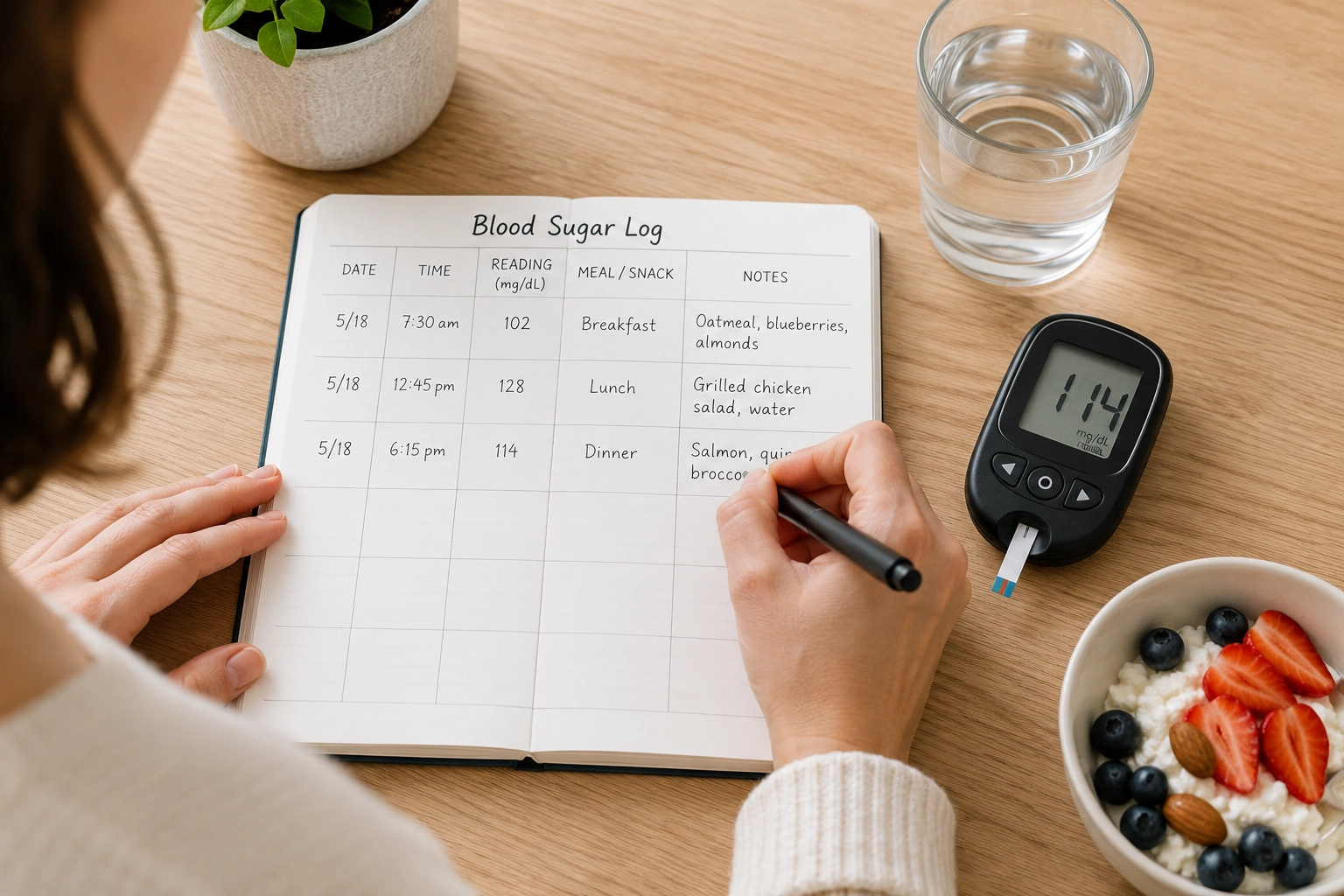
If you already monitor your blood sugar, or if a healthcare professional has advised you to track it, a blood sugar log can help you see patterns.
For example, you might notice that your energy drops after certain breakfasts, or that your readings vary depending on sleep, stress, or meal timing. These patterns can help you ask better questions during a medical visit.
However, not everyone needs to check blood sugar daily. For some people, routine lab testing is more appropriate. If you are unsure, ask a healthcare professional what makes sense for your situation.
Step 4: Build Balanced Meal Habits
Food is not a cure for diabetes, but balanced eating habits may support steadier energy and healthier blood sugar patterns.

A helpful meal pattern often includes:
- Protein, such as eggs, fish, poultry, tofu, Greek yogurt, beans, or lean meat
- Fiber-rich foods, such as vegetables, beans, lentils, berries, oats, or whole grains
- Healthy fats, such as avocado, nuts, seeds, olive oil, or fatty fish
- Carbohydrates in portions that fit your needs
- Fewer sugary drinks and highly refined snacks
For example, a breakfast of sweet coffee and white toast may leave some people feeling hungry or sleepy soon after. A breakfast with eggs, vegetables, whole-grain toast, and unsweetened tea may feel steadier for them.
This does not mean everyone needs the same breakfast. It means meal structure can matter, even for thin people.
A Simple Framework: Look Beyond the Mirror
If you are wondering whether your concern is worth discussing with a healthcare professional, use the RISK framework.
R — Relatives
Do you have a parent, sibling, or close family member with diabetes?
Family history does not guarantee that you will develop diabetes, but it may increase your reason to pay attention.
I — Internal Signs
Are you noticing thirst, frequent urination, fatigue, blurry vision, unusual hunger, slow healing, infections, or unexplained weight loss?
Symptoms should not be used to diagnose yourself, but persistent or unusual symptoms deserve attention.
S — Sugar Patterns
Have you ever had a high fasting glucose, high random glucose, elevated A1C, or unusual home reading?
One reading may not tell the whole story, but abnormal numbers should be discussed with a healthcare professional.
K — Known Habits or Conditions
Do you sit most of the day, sleep poorly, live with chronic stress, have low muscle mass, take certain medications, or have a medical history that may affect blood sugar?
These factors do not mean you have diabetes. They simply give more context than body size alone.
If more than one part of this framework applies to you, it may be worth asking about testing. Not because you should assume the worst, but because good information is better than guessing.
Common Mistakes and Misconceptions
Mistake 1: Thinking Skinny Means “Safe From Diabetes”
Being thin may reduce some risks for some people, but it does not make diabetes impossible. A thin person can still have family history, insulin resistance, autoimmune diabetes, or other factors that affect blood sugar.
Mistake 2: Assuming Diabetes in Thin People Must Be Type 1
Type 1 diabetes is not caused by weight, but not every thin person with high blood sugar has type 1 diabetes. Thin people can have different forms of diabetes or blood sugar problems. Testing and medical evaluation are needed to understand what is happening.
Mistake 3: Ignoring Symptoms Because Weight Looks Normal
If someone is constantly thirsty, urinating often, losing weight without trying, or feeling unusually weak, they should not dismiss it because they are thin. These symptoms can have many causes, but they are worth checking.
Mistake 4: Trying Supplements Instead of Getting Tested
Supplements should not replace blood tests, diagnosis, prescribed treatment, or medical guidance. This is especially important with a topic like diabetes, where untreated high blood sugar can become serious.
If you are worried about diabetes, the priority is not a supplement. The priority is understanding your symptoms, risk factors, and test results.
Mistake 5: Cutting All Carbs Without Guidance
Some people panic and remove almost all carbohydrates after seeing a high reading or hearing about diabetes risk. For some people, reducing refined carbs and sugary drinks may help support steadier blood sugar patterns. But extreme restriction is not always necessary or suitable.
A more realistic first step is often to improve the quality and balance of meals: more protein, more fiber, fewer sugary drinks, and portions that fit your body and activity level.
When to Talk to a Healthcare Professional
Consider talking with a healthcare professional if you have:
- Frequent thirst or urination
- Unexplained weight loss
- Blurry vision
- Unusual fatigue or weakness
- Slow-healing wounds
- Frequent infections
- Repeated high blood sugar readings
- A family history of diabetes and personal concerns
- A past abnormal A1C or fasting glucose result
Seek prompt medical help if symptoms are sudden, severe, or accompanied by vomiting, confusion, extreme weakness, dehydration, or feeling very unwell.
You do not need to wait until symptoms become dramatic. If you are worried, it is reasonable to ask whether testing is appropriate.
Practical Takeaway
Skinny people can get diabetes, but body size alone does not tell the full story.
The more useful question is not “Do I look like someone who could have diabetes?” The better question is: “How is my body actually handling blood sugar?”
A thin person may have healthy glucose levels. Another thin person may have risk factors, symptoms, insulin resistance, autoimmune diabetes, or abnormal test results. The only way to know is through proper testing and professional guidance.
In daily life, focus on what you can realistically do:
- Do not assume appearance equals health.
- Pay attention to persistent symptoms.
- Know your family history.
- Ask about testing if you are concerned.
- Build balanced meals with protein, fiber, and less added sugar.
- Use a blood sugar log only if tracking is appropriate for you.
- Avoid replacing medical care with supplements or online advice.
The goal is not fear. The goal is awareness.
FAQ
Can skinny people get diabetes?
Yes. Skinny or normal-weight people can develop diabetes. Body weight is only one factor, and diabetes cannot be confirmed or ruled out by appearance.
Can thin people get type 2 diabetes?
Yes, thin people can develop type 2 diabetes. Risk may be influenced by family history, age, physical activity, body composition, sleep, stress, medical history, and how the body responds to insulin.
Can skinny people get type 1 diabetes?
Yes. Type 1 diabetes is not caused by body weight. It is an autoimmune condition that affects insulin production and can occur in children, teens, or adults.
Does being skinny mean my blood sugar is normal?
No. Being skinny does not automatically mean blood sugar is normal. Blood tests are needed to understand glucose levels accurately.
What are signs of diabetes in skinny people?
Possible signs include increased thirst, frequent urination, fatigue, blurry vision, unusual hunger, slow-healing wounds, frequent infections, and unexplained weight loss. These symptoms can have other causes, so testing is important.
Can insulin resistance happen in thin people?
Yes, insulin resistance can happen in thin or normal-weight people. It may be related to genetics, low muscle mass, inactivity, poor sleep, stress, medical history, or other factors.
Should skinny people check their blood sugar?
Not everyone needs daily blood sugar checks. But if you have symptoms, family history, previous abnormal results, or concerns, ask a healthcare professional whether testing is appropriate.
Can diet help if I am thin but worried about blood sugar?
Balanced meals may help support steadier energy and healthier glucose patterns for some people. A practical approach is to include protein, fiber, and less added sugar. Diet changes should not replace testing or medical advice.
Is diabetes in skinny people more dangerous?
Not necessarily. The concern is not body size itself, but whether high blood sugar is missed or untreated. Early testing and proper guidance can help clarify what is happening.
Should I take supplements if I am skinny and worried about diabetes?
Supplements should not replace testing, diagnosis, prescribed medication, or medical care. If you are concerned about diabetes, speak with a healthcare professional first.
You should also read:

Is Sourdough Bread Good for Diabetics? What to Know Before You Eat It
Sourdough bread has a strong “health halo.” It sounds traditional, natural, fermented, and more wholesome than regular white bread. So if you are trying to manage blood sugar, it is easy to wonder: is sourdough bread good for diabetics, or is it just another bread…
Continue reading...
Can You Eat Popcorn with Diabetes? A Practical Guide for Snack Time
Popcorn can feel like one of the most confusing snacks when you are trying to manage blood sugar. On one hand, it seems light, crunchy, and less greasy than potato chips. On the other hand, popcorn is still made from corn, which means it contains…
Continue reading...
Diabetic Desserts: How to Enjoy Sweet Treats Without the All-or-Nothing Mindset
Dessert can feel complicated when you are trying to manage blood sugar. Maybe you used to enjoy a slice of cake after dinner, a cookie with coffee, or ice cream on the weekend. Then, after a diabetes or prediabetes diagnosis — or after seeing high…
Continue reading...