When Doing Everything "Right" Isn't Enough: Understanding High Blood Sugar in Fit Adults
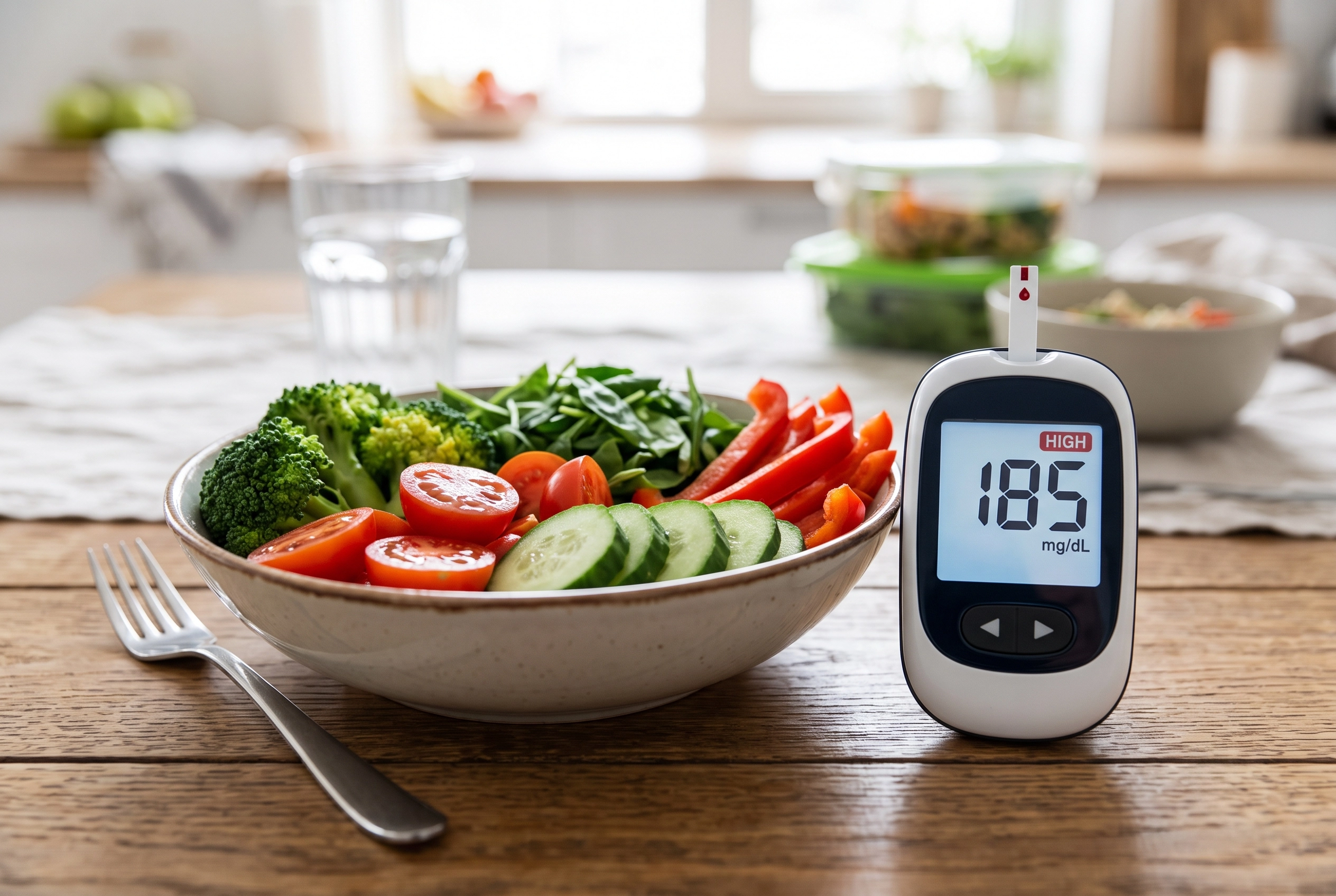
You track your macros. You walk for 20 minutes after every meal. You eat your vegetables before your carbohydrates, practice intermittent fasting, and maintain a low body fat percentage. Your fitness tracker says you have the cardiovascular health of a 25-year-old.
And yet, you stare at your lab results or your continuous glucose monitor in total disbelief. Your fasting glucose is still sitting at 6.2 mmol/L (about 112 mg/dL), and your A1C is stubbornly lingering in the prediabetes range.
If this sounds familiar, you are not alone, and more importantly: you are not failing.
For years, the mainstream narrative around blood sugar management has been aggressively simple: eat less sugar, lose weight, and exercise more. But what happens when you are already doing all of that and doing it perfectly? The frustration, confusion, and burnout that accompany this scenario are incredibly valid. Let’s dive into why your blood sugar might remain high despite your flawless lifestyle, and what you can do about it.
The Deep Frustration of Doing Everything "Right"
When you put in the grueling daily work of "clean eating" and rigorous exercise, a high blood glucose reading feels like a betrayal by your own body. Many people in this situation spend hours analyzing their meals, wondering if a half-cup of beans spiked their sugar, or if they should push themselves to exercise even harder.

This hyper-vigilance often leads to diet exhaustion. You might feel like your doctor isn't taking your confusion seriously because your levels aren't "high enough" for medication yet, leaving you in a stressful limbo. It is vital to recognize that you have likely maxed out the benefits of lifestyle interventions. If your diet and exercise habits are already excellent, you cannot out-diet or out-exercise your own biology.
The Biology of Blood Sugar: It’s Not Just About Food
Blood glucose regulation is a complex hormonal symphony. While what you eat and how you move play major roles, they are ultimately just two instruments in the orchestra.
The Role of Genetics
There are many healthy, highly active individuals with low body fat who have elevated blood sugar. For many, the root cause is genetic predisposition. Your genetics dictate how your pancreas develops, how efficiently your cells respond to insulin, and how your liver stores and releases glucose.
When your muscles contract during daily exercise, they consume glucose without needing insulin, which is why your daily workouts are still incredibly beneficial! However, baseline fasting blood sugar is heavily regulated by your liver and pancreas overnight. If you have a strong genetic predisposition, your liver might naturally release too much glucose into your bloodstream while you sleep, regardless of the broccoli you ate for dinner.
What is C-Peptide, and Why Does it Matter?
If you’ve expressed your frustration to a specialist, they may have tested your C-peptide levels. But what exactly is that?
When your pancreas produces insulin, it creates a larger molecule that gets split into two pieces before entering your bloodstream: one piece is insulin, and the other is C-peptide. Because they are released in equal amounts, measuring C-peptide is an excellent way to see exactly how much insulin your body is manufacturing on its own.
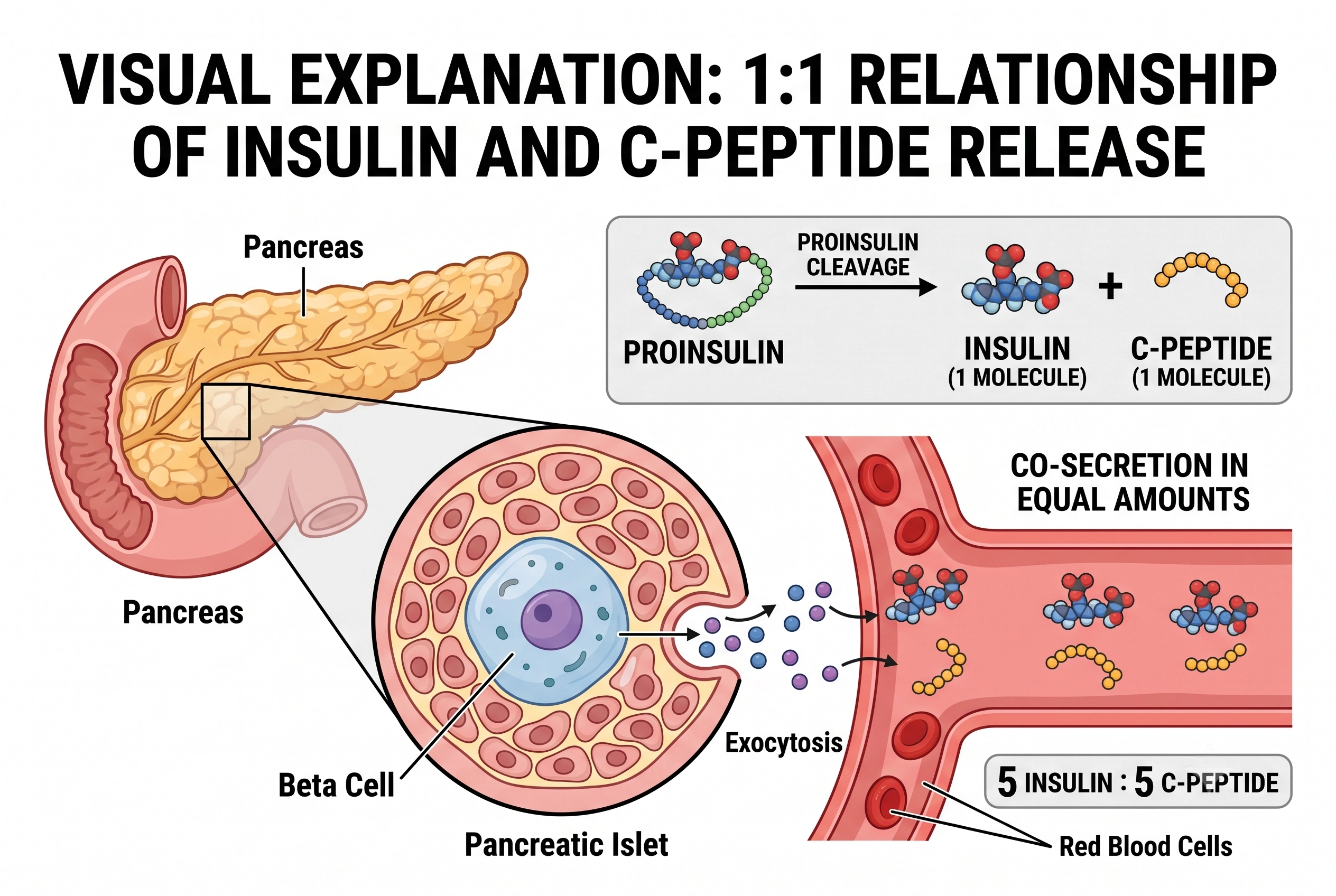
If your doctor tells you that you have a lower-than-average C-peptide level due to genetics, it simply means your pancreas is not a robust insulin factory. Your body might be incredibly sensitive to insulin thanks to your low body fat and high fitness level, but if your pancreas simply isn't making enough of it, your blood sugar will inevitably rise. This is a mechanical issue, not a lifestyle failure.
The Hidden Impact of Stress and "Health Anxiety"
There is an ironic twist to hyper-focusing on your health: it can actually raise your blood sugar.
When you are stressed, anxious, or constantly worrying about your next glucose reading, your body enters a mild "fight or flight" state. To prepare you for this perceived danger, your adrenal glands release stress hormones like cortisol and adrenaline. These hormones signal your liver to dump stored glucose directly into your bloodstream to give you energy to fight or run away.

Many fit individuals find that their intense focus on achieving the perfect blood sugar reading actually stresses them into higher readings. Finding a way to step back, trust that you are doing everything in your power, and managing your health anxiety can sometimes be the most effective "treatment" for stubborn glucose levels.
What to Do When Lifestyle Changes Reach Their Limit
If you have hit a wall with diet and exercise, it is time to pivot your strategy.
Shift Your Perspective on Medication
There is a pervasive, harmful myth that needing medication for blood sugar is a sign that you "gave up." In reality, when your C-peptide is genetically low, your body is missing a biological tool.
Medications like Metformin are often discussed in longevity and health podcasts because they have a strong safety profile and can help lower hepatic (liver) glucose production. While your doctor may want to wait until your levels cross a specific diagnostic threshold, it is worth having an open, continuing conversation with them. Reframe medication in your mind: it is not a punishment for a bad diet; it is a bridge to cover the gap your genetics left behind.
Explore Supportive Supplements
Alongside your stellar diet, you might consider natural supplements designed to support your metabolism. NuviaLab Sugar Control is a unique food supplement that supports the maintenance of normal blood sugar levels. It combines 9 certified plant extracts, vitamins, and minerals that work together to help regulate hormonal activity and reduce feelings of fatigue. Regular use supports proper macronutrient metabolism in the blood. While a supplement cannot override genetic insulin deficiency, NuviaLab Sugar Control can be a helpful addition to your daily routine to support your body's metabolic processes.
Ask Your Doctor for Comprehensive Testing
If you are young, fit, and have low C-peptide, it is crucial to advocate for yourself in the doctor's office. Ask your healthcare provider if they have considered testing for diabetes-related autoantibodies. This can help rule out Latent Autoimmune Diabetes in Adults (LADA), a slow-progressing form of Type 1 diabetes where the immune system gradually attacks the insulin-producing cells. Getting the correct diagnosis is the absolute most important step in getting the right treatment.

The Bottom Line: Keep walking. Keep eating your vegetables. Keep maintaining your incredible fitness. You are doing amazing things for your cardiovascular system, your brain, and your longevity. Give yourself the grace to accept that your blood sugar numbers are a reflection of your unique biology, not your work ethic.
Medical Disclaimer: This article is for informational purposes only and is not a substitute for professional medical advice, diagnosis, or treatment. Always consult your physician regarding your blood sugar levels, medical conditions, or before starting any new supplements.
You should also read:
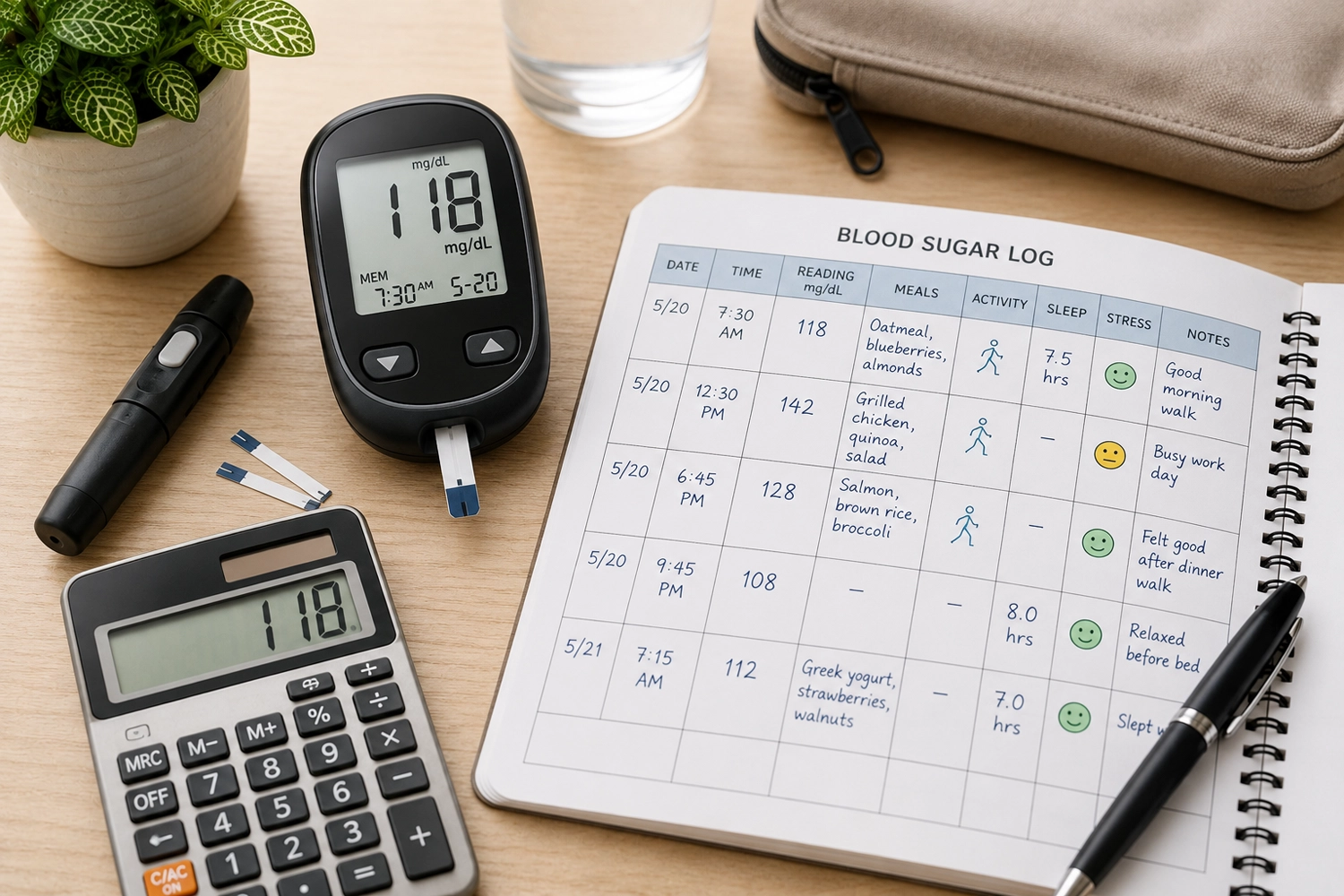
Glucose to A1C Calculator: How to Estimate A1C from Average Blood Sugar
If you track your blood sugar at home, you may already know numbers like 98, 126, 154, or 180 mg/dL. Then you go to a healthcare appointment and hear a different kind of number: your A1C. At first, it can feel like glucose readings and…
Continue reading...
When Managing Blood Sugar Starts to Feel Like a Full-Time Job
There is a particular kind of tiredness that comes from having to think about food all the time. Not just deciding what sounds good for dinner, but wondering what a meal might do to your energy, your cravings, or the numbers you may see later.
Continue reading...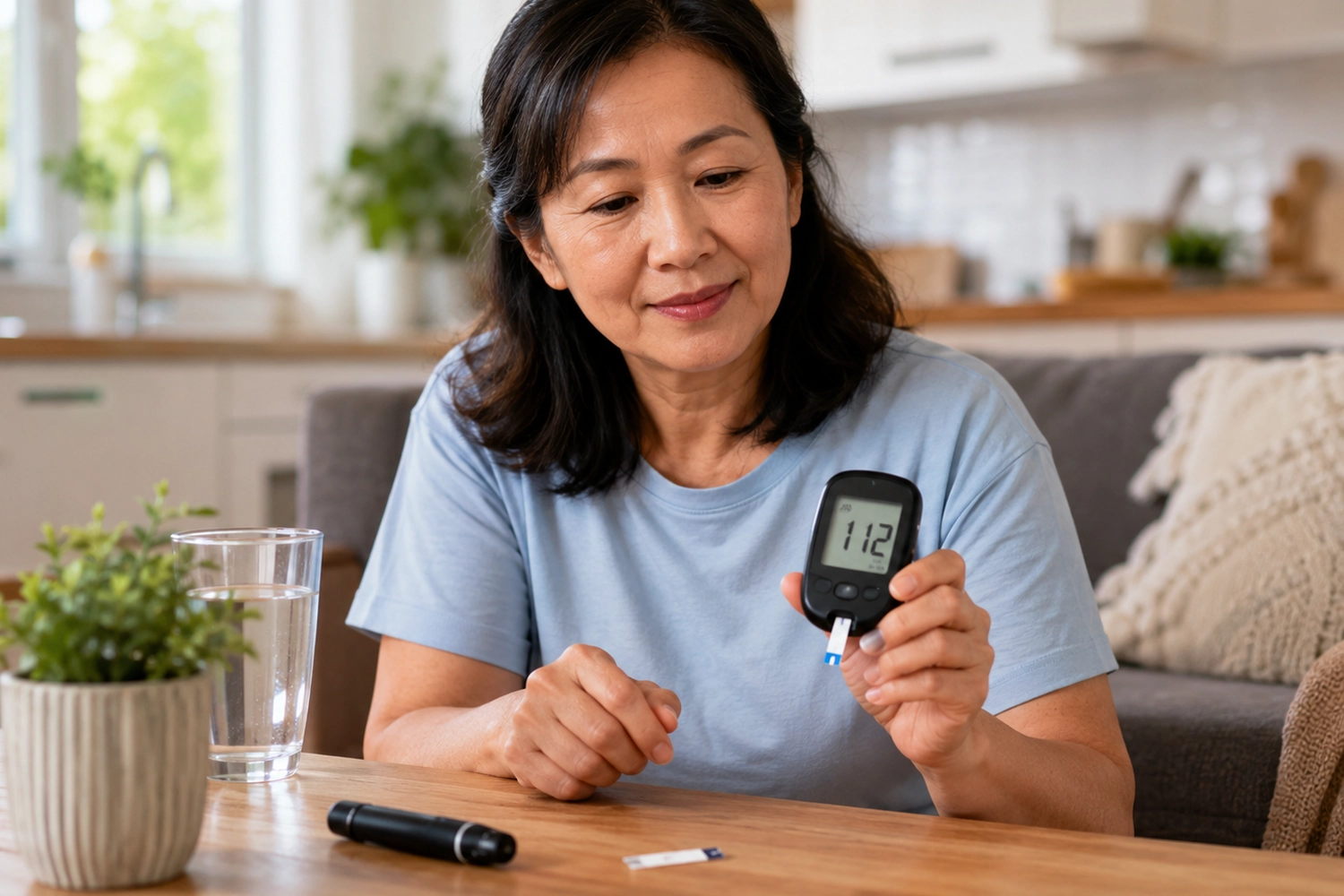
Normal Blood Sugar Range Chart: Fasting, After Meals, and A1C Explained
Checking a blood sugar number can feel simple at first. You see a reading, compare it with a chart, and expect a clear answer. But real life is not always that neat. A fasting blood sugar of 103 mg/dL may make one person anxious. A…
Continue reading...