Is a Medication Tracker Actually Useful for Diabetes Management?

We’ve all been there: staring at a pill bottle or an insulin pen, a sudden wave of uncertainty washing over us. Did I just take my morning dose, or am I remembering yesterday? The panic sets in. Taking it twice could cause a dangerous drop in blood sugar, but missing a dose entirely means running high.
This isn’t a sign of memory loss or carelessness; it is a very real, incredibly common manifestation of diabetes burnout. Managing diabetes isn't just about the physical aspects of checking blood sugar and calculating carbs; it carries a massive, invisible cognitive load. Remembering to take multiple medications at specific times every single day is exhausting.
So, when the mental fatigue sets in, is a medication tracker actually useful? Or is it just one more chore on an already overflowing plate?
Let’s explore the psychological burden of managing diabetes medications, the biological reasons why timing is so crucial, and how to figure out if a digital app or a simple plastic pillbox is the right tool to help you reclaim some mental space.
The Hidden Cognitive Load of Diabetes Medications
When you live with diabetes, your brain is functioning like a background operating system, constantly running calculations. You are thinking about the carb count of your next meal, the timing of your exercise, the stress of a looming deadline, and how all of this impacts your blood sugar.
On top of this, you are tasked with managing a medication regimen. This might include basal (long-acting) insulin, bolus (mealtime) insulin, oral medications like Metformin, perhaps blood pressure pills, or statins for cholesterol.
This relentless mental juggling act is what healthcare professionals call "cognitive load." It’s the sheer amount of mental effort required to navigate daily life with a chronic illness.
Why Forgetting (or Double-Dosing) Happens to Everyone
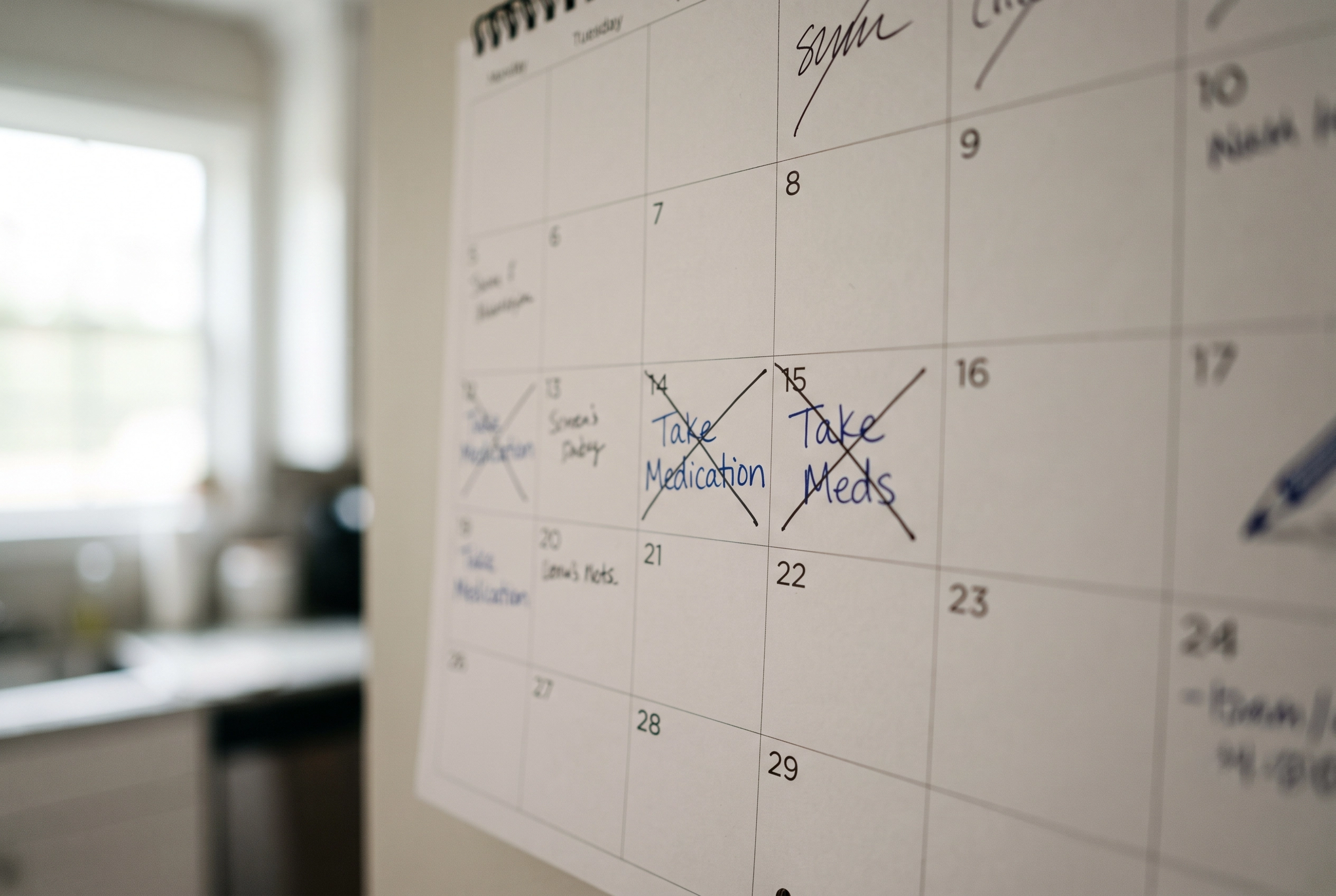
When you repeat an action every single day—sometimes multiple times a day—it becomes an automatic habit. Your brain essentially goes on autopilot. This is usually a good thing, as it saves mental energy.
However, autopilot means that the specific memory of taking today's pill doesn't always register strongly. The memory of taking it on Tuesday looks identical to the memory of taking it on Wednesday. When the brain is fatigued or distracted by other tasks, those memories blur together.
The resulting panic—the “Did I or didn’t I?” moment—is a significant source of diabetes distress. A medication tracker’s primary job isn't to fix your memory; it’s to offload that task from your brain, providing a concrete visual record that you can trust when autopilot fails.
The Biological "Why": Timing Matters for Blood Sugar
The stress of forgetting a medication isn't just psychological; it's rooted in the very real biological consequences of how these drugs work within your body. Understanding why timing matters can help clarify why a tracker might be a necessary tool rather than an optional accessory.
How Insulin Timing Differs from Oral Medications
Different diabetes medications have vastly different mechanisms of action and timing requirements:
- Insulin: Insulin therapy requires precise timing. Mealtime (bolus) insulin needs to be active in your bloodstream exactly when the glucose from your food hits. Taking it too late results in a post-meal spike; taking it too early (or taking it twice) can cause severe hypoglycemia (low blood sugar). Long-acting (basal) insulin needs to be taken at the same time every day to maintain a steady background level. A tracker for insulin is often about preventing dangerous acute situations.
- Oral Medications (e.g., Metformin): Metformin works primarily by reducing the amount of glucose produced by your liver and improving your body’s sensitivity to insulin. While taking it at the same time every day is important for maintaining steady levels in your system and minimizing gastrointestinal side effects, missing a single dose usually won't cause an immediate, dramatic blood sugar crisis. However, consistently erratic timing reduces its overall effectiveness. A tracker for oral meds is more about building long-term consistency.
The anxiety of a missed or double dose depends heavily on what you are taking. A tracker provides a safety net tailored to the specific risks of your regimen.
Are Medication Trackers Actually Useful?
The short answer is: yes, absolutely. But the type of tracker that is useful depends entirely on your personality, your lifestyle, and your current level of tech fatigue.
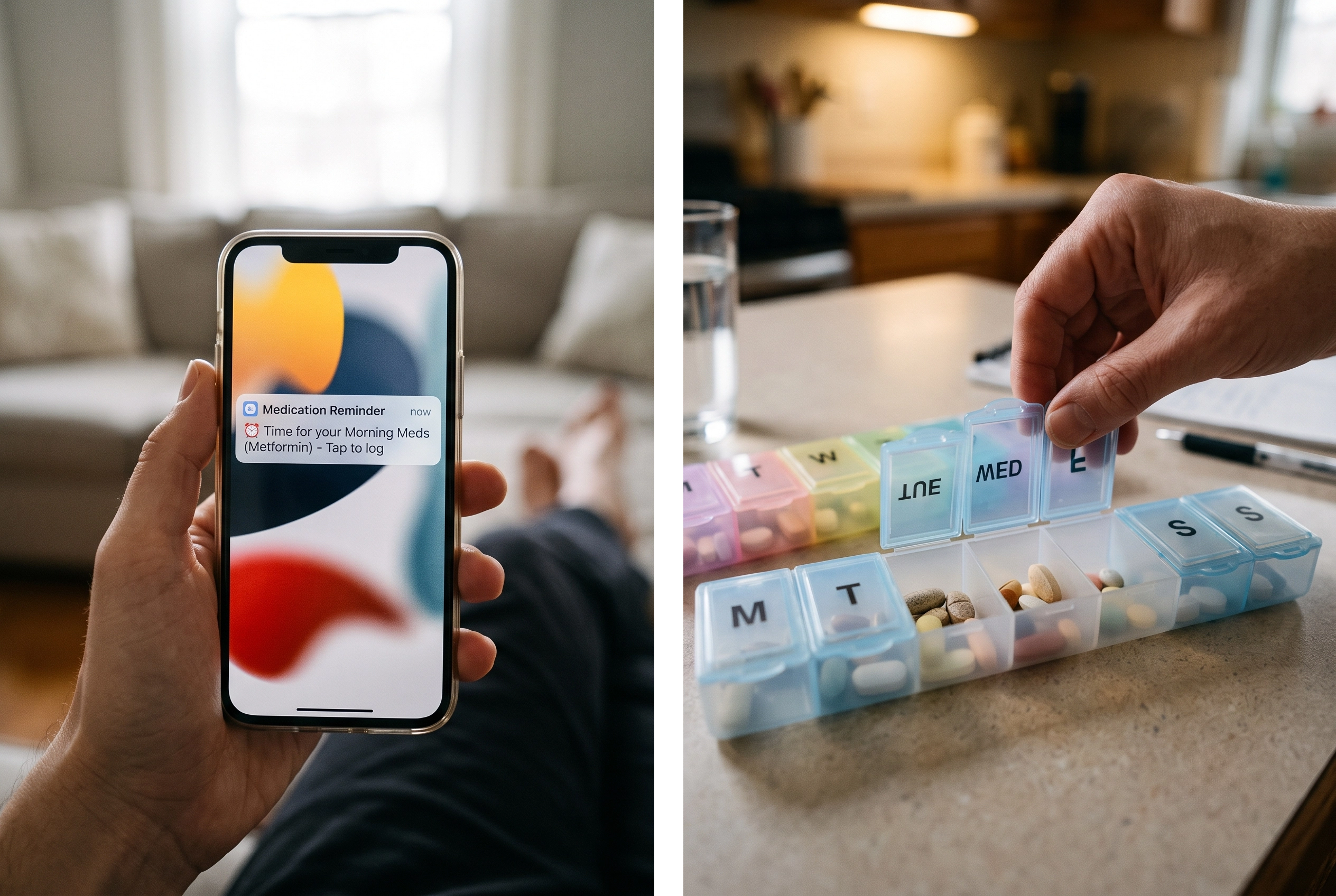
Let's break down the two main routes:
The Digital Route: Apps and Smart Alarms
We live in a world of smartphones, and there is no shortage of medication tracking apps.
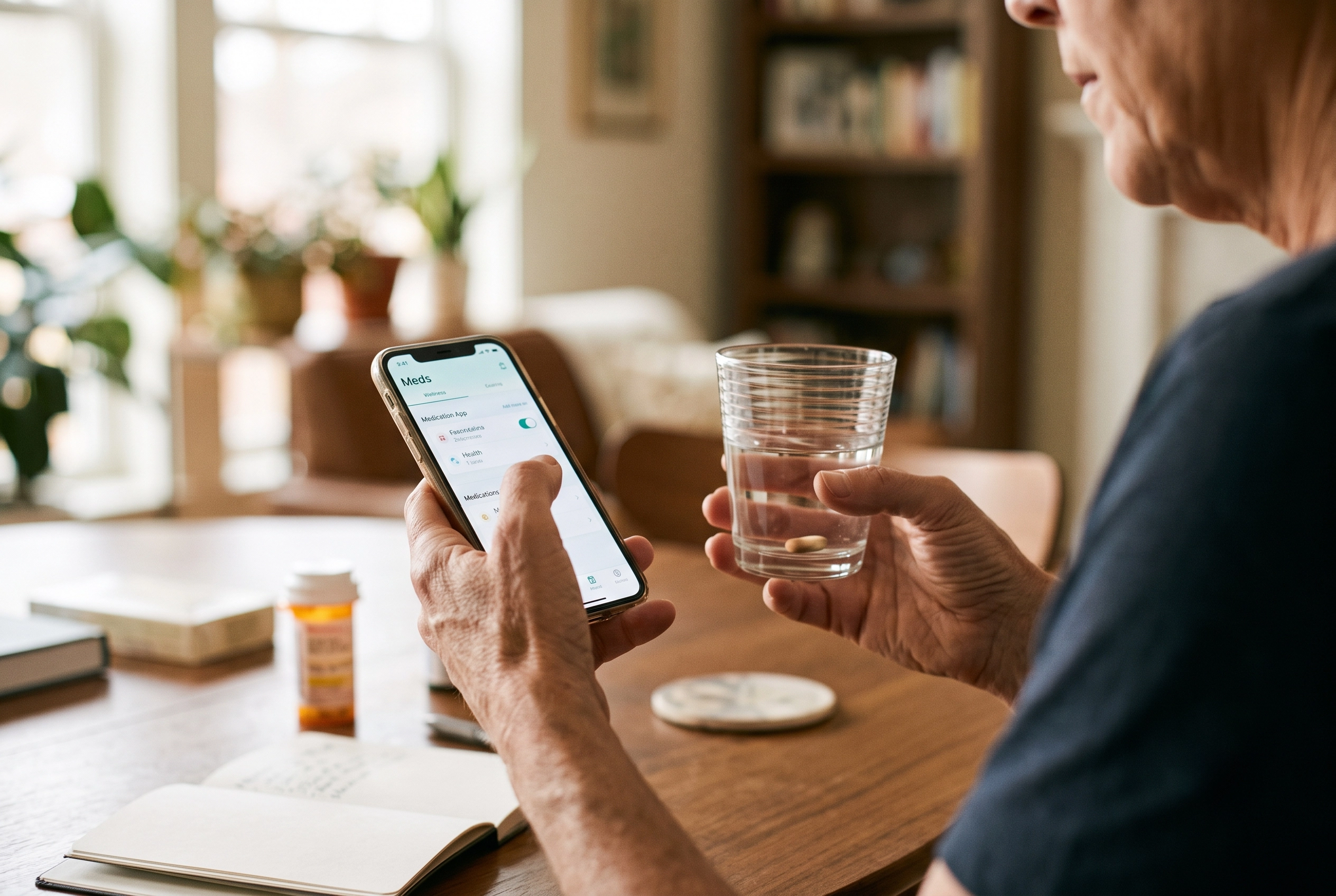
The Pros:
- Active Reminders: Apps can send push notifications or sound alarms, actively interrupting your day to remind you.
- Comprehensive Logging: Many apps allow you to track your medication alongside your blood sugar readings and food intake, providing a holistic view of your management.
- Portability: If you have your phone, you have your tracker.
The Cons:
- Notification Fatigue: If your phone is already buzzing constantly with emails, texts, and news alerts, a medication reminder can easily be swiped away and ignored.
- The "I'll Log It Later" Trap: An app is only useful if you open it and log the dose immediately after taking it. If you delay, the uncertainty returns.
- Tech Overload: For some, staring at another screen to manage their diabetes feels overwhelming and adds to their burnout.
The Analog Route: Physical Pillboxes and Paper Logs
Sometimes, the best solution is the simplest one.
The Pros:
- Visual Proof: A traditional Monday-Sunday pillbox offers immediate, undeniable visual evidence. If the Tuesday slot is empty, you took your pills. If it's full, you didn't. There is no logging required.
- Zero Battery Required: It doesn't rely on Wi-Fi, battery life, or software updates.
- Tactile Routine: The physical act of sorting pills once a week can become a grounding, mindful routine.
The Cons:
- Not Ideal for Insulin: Physical pillboxes are generally useless for tracking insulin injections (unless you use a specialized smart pen or cap).
- Lack of Active Reminders: A pillbox won't beep to remind you; you have to remember to look at it.
- Less Portable: A large weekly pillbox can be cumbersome to carry if you are constantly on the go.
Situational Comparisons: Which Method Fits Your Real Life?
Let’s look at how these tools apply to real-world scenarios:
Scenario A: The Tech-Fatigued Patient
- The Situation: You are already using a Continuous Glucose Monitor (CGM) that beeps at you. You have a health app tracking your steps. You feel overwhelmed by data and notifications. You take Metformin twice a day.
- The Best Tracker: A simple, physical AM/PM pillbox kept right next to your coffee maker or toothbrush. It requires zero screen time, provides instant visual confirmation, and ties the medication to an existing daily habit.
Scenario B: The Complex Regimen with Multiple Prescriptions
- The Situation: You take a complex mix of medications: basal insulin at night, mealtime insulin during the day, a blood pressure pill in the morning, and a cholesterol medication with dinner.
- The Best Tracker: A robust digital app or a dedicated digital alarm system. The complexity of the timing requires active, customizable reminders. A physical pillbox can't handle the insulin tracking, making an app the more comprehensive solution. Alternatively, a combination approach: a pillbox for the oral meds, and an app specifically for tracking insulin doses.
How to Build a Habit That Sticks (With or Without an App)
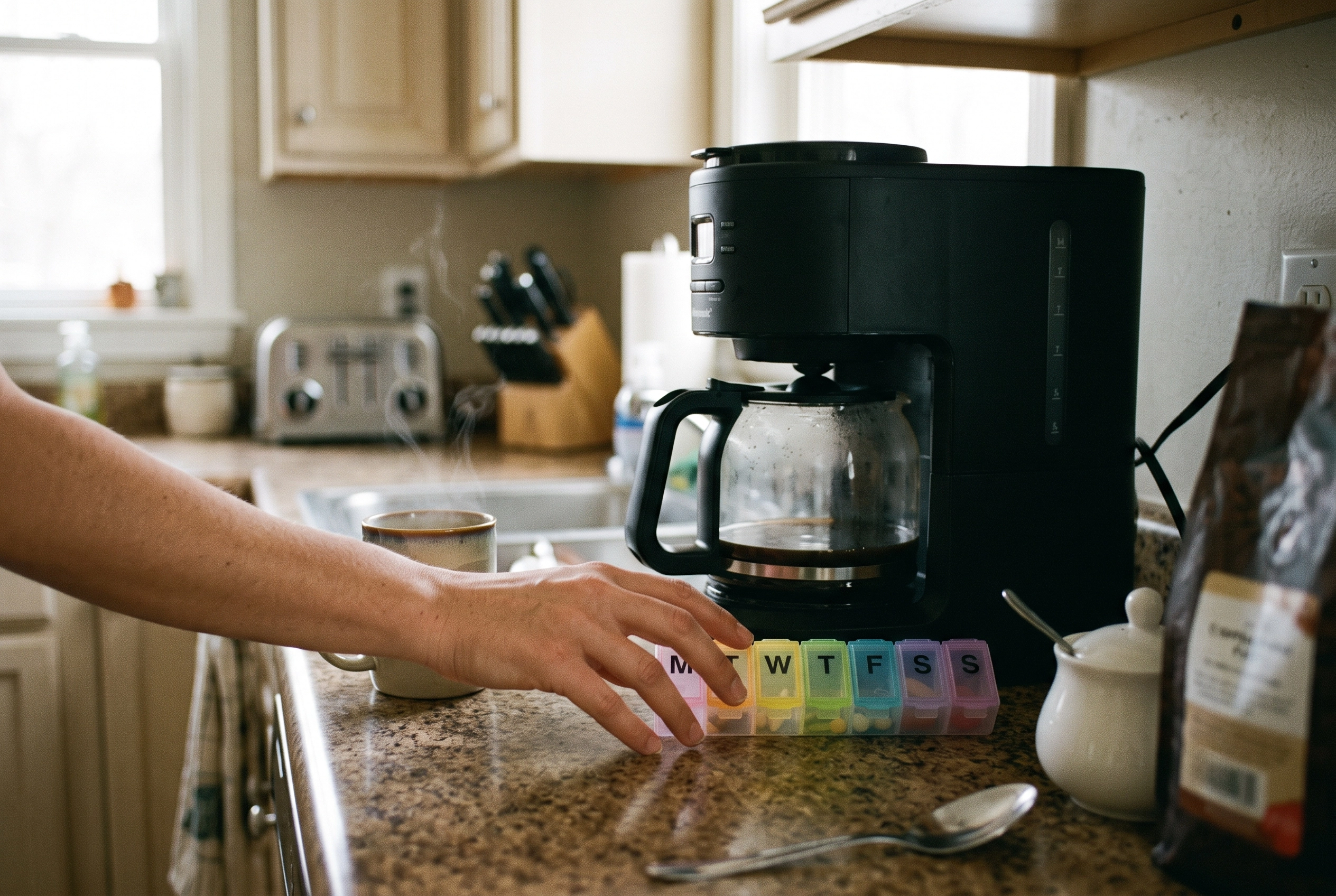
Whether you choose a high-tech app or a $2 plastic pillbox, a tracker is only a tool. The real key to reducing the cognitive load of medication management is habit stacking.
Habit stacking involves tying your new desired behavior (taking medication) to an existing, ingrained habit.
- If you always make coffee in the morning: Keep your morning pills (or your insulin pen, if appropriate) right next to the coffee mugs.
- If you always brush your teeth before bed: Keep your nighttime medications next to your toothbrush.
By linking the medication to something you already do without thinking, you reduce the mental effort required to remember it.
Finding What Works for You
A medication tracker is not about achieving perfect compliance; it’s about reducing the mental friction and anxiety of daily diabetes management. It is a way to tell your exhausted brain, "You don't have to remember this; the tool will remember for you."
If you find yourself frequently asking, "Did I take my meds today?", it is absolutely worth experimenting with a tracker. Start simple. Try a physical pillbox for a week. If that doesn't work, try downloading a free app. The "best" tracker is simply the one that you actually use and that gives you peace of mind.
FAQ
What happens if I miss a dose of my diabetes medication?
The impact depends entirely on the specific medication. Missing a dose of insulin can quickly lead to high blood sugar, while missing a single dose of an oral medication like Metformin might have a less immediate effect. Never double up on a missed dose without explicit instructions from your healthcare team. Always contact your doctor or pharmacist to establish a clear "missed dose protocol" for your specific medications.
How do I avoid taking my insulin twice?
This is a common and dangerous fear. Beyond using apps, many people find success with simple physical hacks: moving the insulin pen from the right side of the sink to the left side after injecting, or using specialized smart insulin pen caps (like Timesulin) that display how long it has been since the cap was last removed.
Are there free, simple apps specifically for tracking diabetes medications?
Yes, many comprehensive diabetes apps (like MySugr or Glucose Buddy) include medication tracking features. If you want something simpler that only tracks medications, apps like Medisafe or even the built-in Health app on Apple devices offer robust, free tracking and reminder functions.
Medical Disclaimer: The information provided in this article is for educational purposes only and should not be considered medical advice. Always consult with your doctor, pharmacist, or certified diabetes care and education specialist before making any changes to your medication routine or if you have questions about missed doses.
Medical References
The information and principles discussed in this article are based on clinical guidelines and patient care protocols from leading health organizations:
American Diabetes Association (ADA): Comprehensive guidelines on diabetes treatment plans, insulin therapy, and safe medication management.
Centers for Disease Control and Prevention (CDC): Evidence-based recommendations for living with diabetes, establishing healthy daily routines, and managing diabetes-related stress and burnout.
You should also read:

How to Make Cinnamon Drink for Diabetes: A Safe No-Sugar Recipe Guide
Cinnamon drinks are popular because they sound simple, natural, and easy to make. If you are watching your blood sugar, it is understandable to wonder whether cinnamon water or cinnamon tea could fit into your daily routine. But there is an important difference between using…
Continue reading...
Are Your Diabetes Apps Causing Burnout? Here’s How to Simplify Your Daily Routine
If you spend any time in online diabetes communities, you will inevitably see posts asking people to take a "diabetes managing app survey." Developers are constantly trying to build the next great tool to help people with type 2 diabetes or prediabetes track their lives.
Continue reading...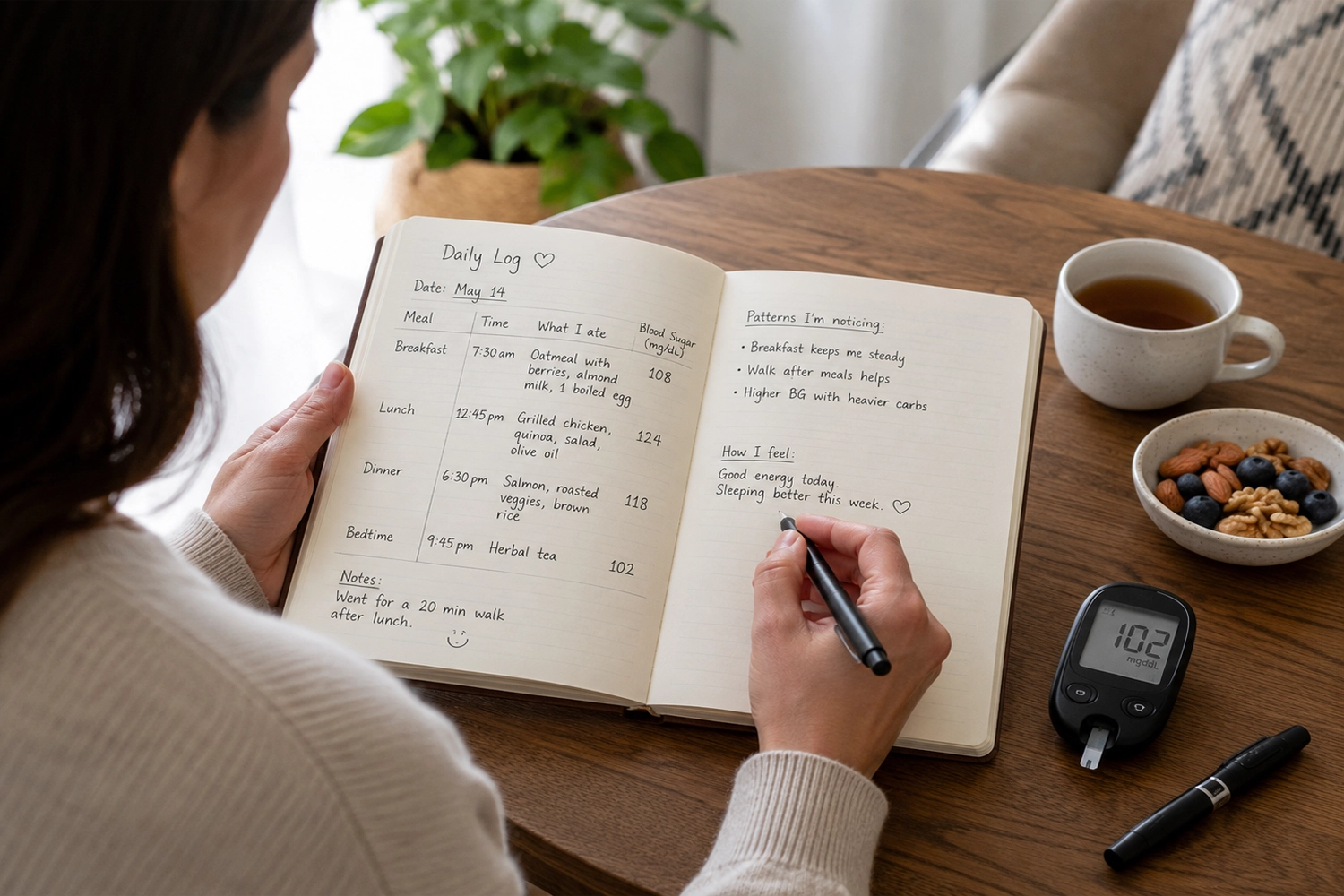
Blood Sugar Support in Real Life: What Actually Helps Day to Day?
If you have ever felt tired after a meal, craved something sweet in the afternoon, or felt confused by blood sugar numbers, the phrase “blood sugar support” can sound both helpful and vague. Some people use it to talk about food choices. Others use it…
Continue reading...