A Gentle 7-Day Meal Plan for Gestational Diabetes: Realistic Meals, Snacks, and Swaps
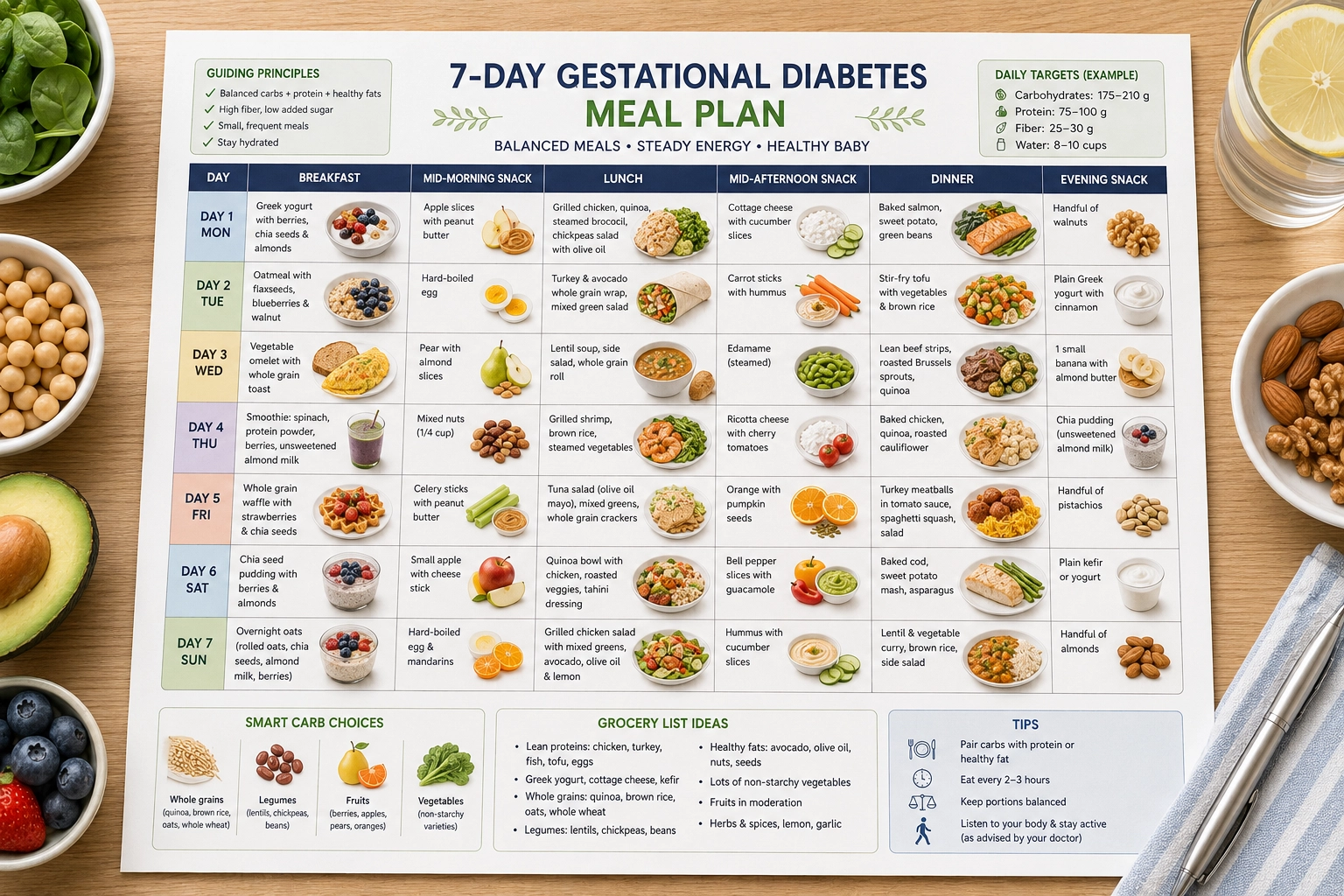
Being told you have gestational diabetes can make everyday eating feel suddenly complicated.
One day, breakfast is just breakfast. The next day, you may be wondering: “Is this too many carbs? Will this raise my blood sugar? Am I eating enough for the baby? What am I supposed to snack on when I’m hungry again in two hours?”
Those worries are understandable. Pregnancy already comes with nausea, cravings, fatigue, hunger changes, and food aversions. Gestational diabetes adds another layer of planning, but it does not mean you have to eat perfectly or remove every carbohydrate from your meals.
This 7-day meal plan for gestational diabetes is designed as a flexible starting point. It is not a personalized medical plan, and it does not replace advice from your doctor, dietitian, diabetes educator, or pregnancy care team. Instead, think of it as a practical example of how balanced meals and snacks can look in real life.
The main idea is simple: build meals that combine carbohydrates with protein, fiber, and healthy fats so your body has a steadier mix of nutrients to work with.
A quick health note before you use this meal plan
This article is for general education only. Gestational diabetes needs pregnancy-specific guidance because glucose targets, medication needs, weight gain, food tolerance, nausea, and nutrition needs can vary from person to person.
Always follow the advice of your healthcare team. If your readings are often above the target range you were given, if you are losing weight unintentionally, if you cannot keep food down, or if you are unsure what to eat, contact your doctor, registered dietitian, or diabetes educator. For more clinical guidelines on managing blood sugar safely during pregnancy, refer to the Centers for Disease Control and Prevention (CDC) Gestational Diabetes Guide."
What makes a meal gestational diabetes-friendly?
A gestational diabetes meal plan is not usually about “no carbs.” In pregnancy, your body still needs enough nutrition, and carbohydrates are part of many nourishing foods, including fruit, beans, yogurt, whole grains, and starchy vegetables.
The bigger question is how those carbohydrates fit into the whole meal.
Balance carbohydrates instead of eating them alone
A plain slice of toast, a bowl of cereal, or a banana by itself may affect blood sugar differently than the same carbohydrate paired with protein or fat.
For example:
- Toast alone is mostly carbohydrate.
- Toast with eggs and avocado gives you carbohydrate, protein, fat, and more staying power.
- Fruit alone may be quick and easy.
- Fruit with Greek yogurt or peanut butter may feel more satisfying and may support steadier energy for some people.
This does not mean every meal must be complicated. It simply means that “pairing” often matters.
Spread food across the day
Many people with gestational diabetes are advised to eat regular meals and snacks instead of going long periods without food. This can support steadier energy and may help prevent getting overly hungry and eating a very large meal later.
That said, your exact meal timing should come from your healthcare team, especially if you use medication or insulin.
Use your own blood sugar data
Two people can eat the same meal and see different readings. One person may tolerate oatmeal well, while another may notice higher numbers after oatmeal but do better with eggs and whole-grain toast.
That is why a blood sugar log can be so useful. It helps you move from guessing to noticing patterns.
A simple meal-building framework
Before we get into the 7-day plan, it helps to understand the basic structure.
Breakfast formula
Aim for:
Protein + fiber-rich carbohydrate + healthy fat + optional vegetables
Examples:
- Eggs with spinach, whole-grain toast, and avocado
- Plain Greek yogurt with berries, chia seeds, and nuts
- Cottage cheese with a small serving of fruit and walnuts
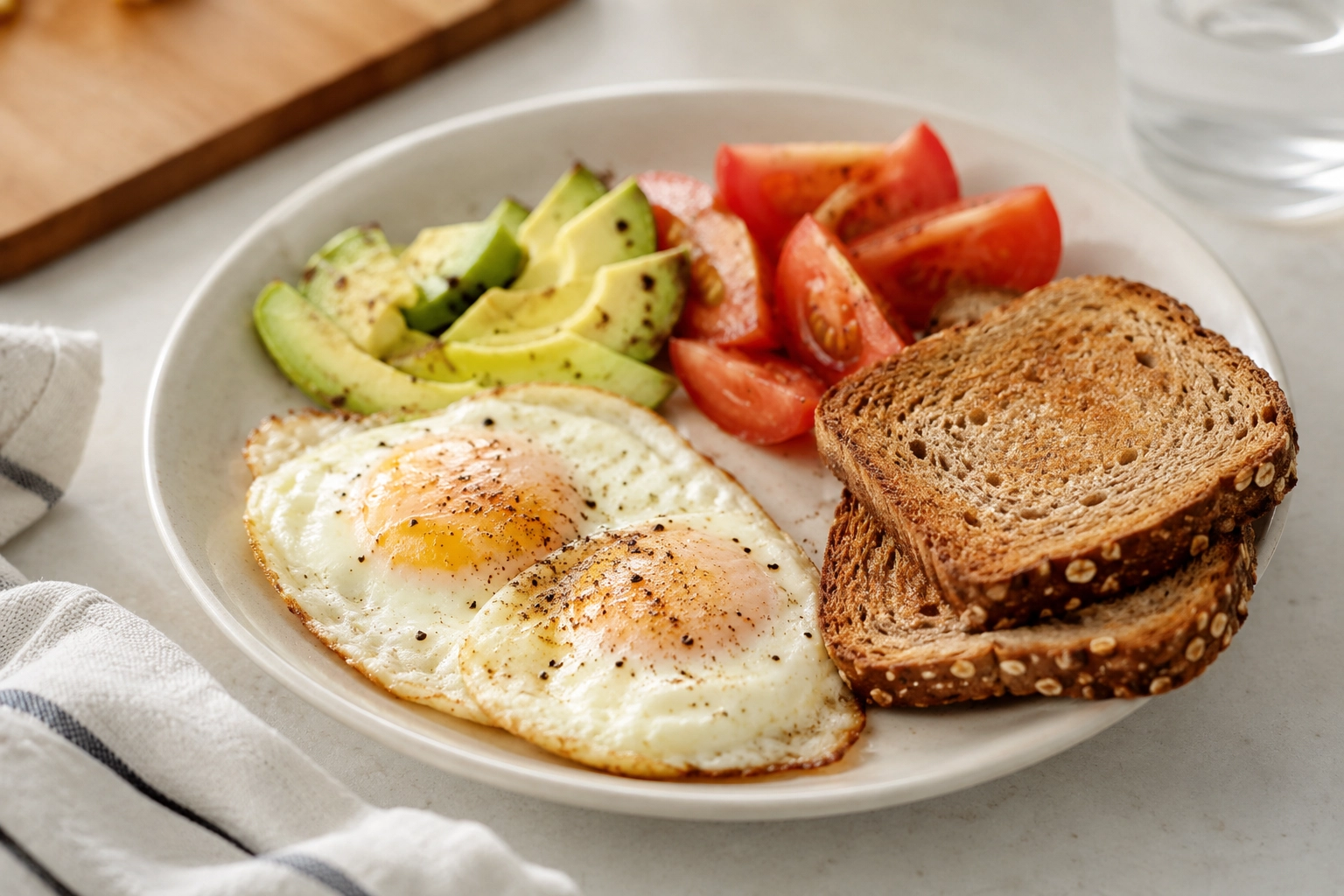
Breakfast can be tricky for gestational diabetes because some people are more sensitive to carbohydrates in the morning. If breakfast readings are often high, your care team may suggest adjusting the type, amount, or timing of carbohydrates.
Lunch formula
Aim for:
Protein + vegetables + moderate carbohydrate + healthy fat
Examples:
- Chicken salad bowl with quinoa and olive oil dressing
- Turkey lettuce wrap with lentil soup
- Tuna or chickpea salad with vegetables and whole-grain crackers
Dinner formula
Aim for:
Protein + vegetables + slow-digesting carbohydrate + satisfying fat
Examples:
- Salmon with roasted vegetables and sweet potato
- Chicken stir-fry with vegetables and brown rice
- Turkey chili with beans and salad
Snack formula
Aim for:
Carbohydrate + protein or fat
This means avoiding “naked carbs” when possible. A snack of crackers alone may not keep you full for long. Crackers with cheese, hummus, or nut butter may be more satisfying.
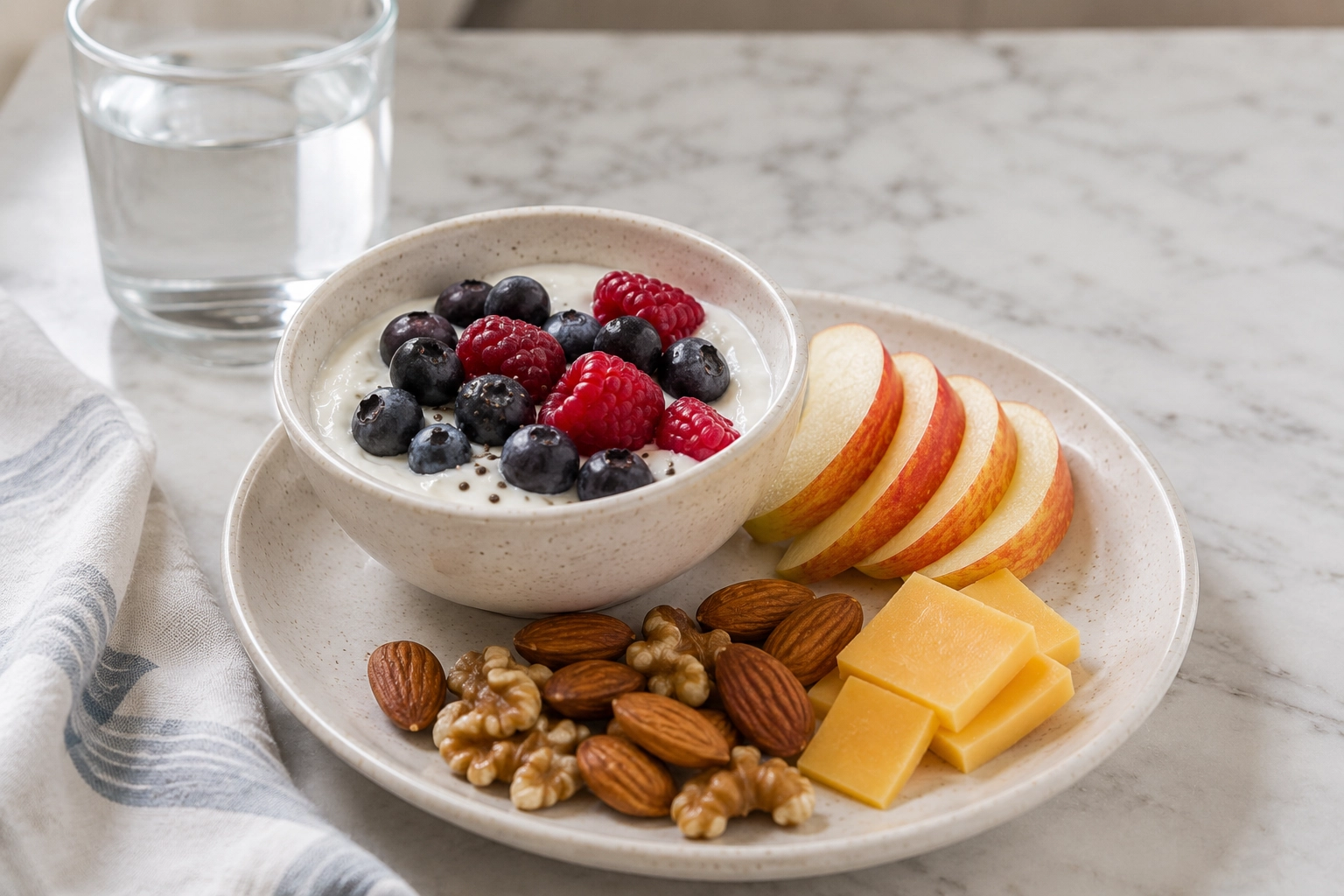
Snack examples:
- Apple slices with peanut butter
- Greek yogurt with berries
- Cheese with whole-grain crackers
- Hummus with cucumber and carrots
- Cottage cheese with sliced fruit
- Boiled egg with a small piece of fruit
7-day meal plan for gestational diabetes
Use this plan as a flexible template. Portions should be personalized based on your glucose targets, appetite, pregnancy needs, and professional guidance.
Day 1
Breakfast: Scrambled eggs with spinach, one slice of whole-grain toast, and avocado
Snack: Plain Greek yogurt with berries
Lunch: Chicken salad bowl with quinoa, cucumber, leafy greens, and olive oil dressing
Snack: Apple slices with peanut butter
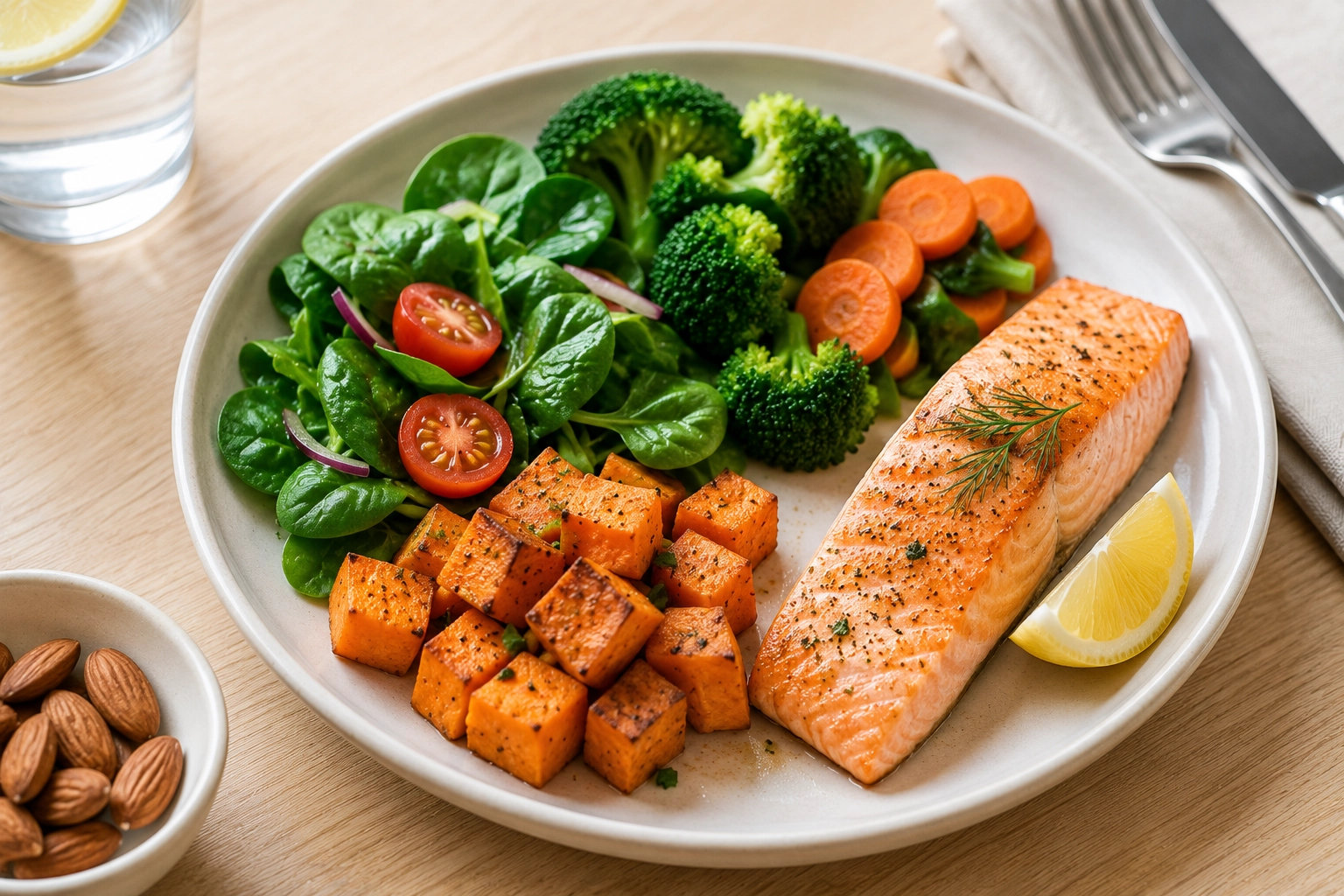
Dinner: Baked salmon with roasted vegetables and a small sweet potato
Why this day works: Each meal includes protein, and the carbohydrates are paired with fiber, fat, or both. This can make meals feel more filling than eating carbs alone.
Day 2
Breakfast: Plain Greek yogurt bowl with chia seeds, berries, and chopped nuts
Snack: Cheese stick with whole-grain crackers
Lunch: Turkey lettuce wrap with a side of lentil soup
Snack: Cottage cheese with cucumber slices
Dinner: Chicken stir-fry with mixed vegetables and a modest serving of brown rice
Real-life swap: If brown rice raises your numbers more than expected, you might try a smaller portion, add more non-starchy vegetables, or ask your dietitian about other carb options such as quinoa, barley, beans, or sweet potato.
Day 3
Breakfast: Veggie omelet with one slice of whole-grain toast
Snack: Boiled egg with a small piece of fruit
Lunch: Tuna or chicken salad over greens with beans
Snack: Hummus with carrots and celery
Dinner: Turkey meatballs with zucchini noodles and a small portion of whole-grain pasta
Why this day works: The pasta is not automatically “off-limits,” but it is placed in a balanced meal with protein and vegetables. This is more realistic than telling people never to eat pasta again.
Day 4
Breakfast: Cottage cheese with berries and walnuts
Snack: Nut butter with celery or apple slices
Lunch: Chicken and avocado bowl with roasted vegetables and barley
Snack: Plain yogurt with cinnamon
Dinner: Beef or tofu vegetable stir-fry with cauliflower rice and a small rice portion if tolerated
Real-life note: Some people want to keep familiar staples like rice. A helpful approach may be to reduce the portion, pair it with protein and vegetables, and check your personal response instead of assuming one food works the same for everyone.
Day 5
Breakfast: Egg muffins with vegetables and a small side of fruit
Snack: Nuts with a small piece of fruit
Lunch: Grilled chicken wrap using a high-fiber tortilla, vegetables, and yogurt-based sauce
Snack: Cheese with cucumber slices
Dinner: Chicken or shrimp tacos in corn tortillas with cabbage slaw and beans
Why this day works: It includes practical foods that feel like normal meals. Gestational diabetes eating should not have to feel like a punishment.
Day 6
Breakfast: Oatmeal made with milk, chia seeds, nuts, and berries
Snack: Boiled egg or cheese with fruit
Lunch: Salmon salad with chickpeas and vegetables
Snack: Greek yogurt or hummus with vegetables
Dinner: Roast chicken with green beans, salad, and a small serving of potatoes
Important note: Oatmeal works well for some people and not as well for others. If your breakfast readings are often higher after oatmeal, consider discussing breakfast swaps with your healthcare team.
Day 7
Breakfast: Eggs with avocado, tomato, and whole-grain toast
Snack: Cottage cheese with berries
Lunch: Leftover chicken bowl with vegetables and quinoa
Snack: Peanut butter with apple or celery
Dinner: Turkey chili with beans, vegetables, and a side salad
Why this day works: Leftovers make the plan easier. A meal plan that requires cooking from scratch every meal may look nice online but fail in real life.
Easy swaps when the plan does not fit your day
A useful pregnancy diabetes meal plan should bend with real life. You may have nausea, cravings, budget limits, cultural food preferences, or days when you are simply exhausted.
If breakfast raises your blood sugar
Some people find breakfast harder than lunch or dinner. Instead of blaming yourself, look for patterns.
You might ask your care team whether it makes sense to:
- Add more protein
- Choose a different carbohydrate
- Reduce a very sweet breakfast
- Avoid drinking juice or sweetened coffee
- Try a smaller carb portion at breakfast
- Move some carbohydrates to a later meal, if recommended
Do not make extreme changes without professional guidance, especially during pregnancy.
If you feel hungry between meals
Hunger during pregnancy is normal. If you are hungry soon after eating, the meal may not have had enough protein, fiber, or fat.
Instead of only eating crackers, try snacks like:
- Greek yogurt with berries
- Cheese and whole-grain crackers
- Peanut butter with apple slices
- Hummus with vegetables
- Cottage cheese with fruit
- A boiled egg with a small fruit portion
If nausea makes meals difficult
Nausea can make balanced meals harder. Some people may tolerate smaller, simpler foods better than large meals.
You might try gentle options such as:
- Greek yogurt
- Eggs
- Soup with protein
- Toast with nut butter
- Cottage cheese
- Small portions of tolerated fruit
- Simple chicken and rice soup, if rice works for your readings
If nausea or vomiting makes it hard to eat enough, contact your healthcare team.
If your culture uses rice, noodles, bread, or tortillas often
You do not always have to erase staple foods from your diet. The more practical question is often: How much? What is it paired with? What does your blood sugar log show?
For example:
- Rice with chicken and vegetables may work better than a large bowl of rice alone.
- Tortillas with eggs, avocado, and vegetables may be more balanced than sweet pastries.
- Noodles with tofu, meat, vegetables, and broth may be easier to adjust than a large noodle-only portion.
Common mistakes with gestational diabetes meal plans
Mistake 1: Cutting carbs too aggressively
It is understandable to feel scared of carbohydrates after a high reading. But pregnancy nutrition is not the same as a short-term diet challenge. Very restrictive eating may not be appropriate and should not be done without medical guidance.
A better goal is learning which carbs, portions, and pairings work for your body.
Mistake 2: Eating “healthy” carbs alone
Fruit, oatmeal, whole-grain toast, and sweet potatoes can be nourishing foods. But for some people, eating them alone may lead to a higher reading or leave them hungry.
Try pairing:
- Fruit with yogurt or nuts
- Toast with eggs
- Oatmeal with chia seeds and nut butter
- Sweet potato with chicken or salmon
Mistake 3: Skipping snacks and overeating later
Some people skip snacks to “save carbs,” then become very hungry and eat a larger meal later. This may not support steady energy or comfortable eating.
If your care team recommends snacks, choose snacks that include protein, fat, or fiber.
Mistake 4: Copying someone else’s carb limits
Online meal plans often give exact carb numbers. The problem is that your needs may depend on your pregnancy, glucose targets, medication, activity, appetite, and medical history.
Use this article as meal inspiration, not a universal carb prescription.
Mistake 5: Thinking one high reading means failure
One reading does not define you. A high number can happen for many reasons: portion size, timing, stress, poor sleep, illness, or normal pregnancy-related insulin resistance.
The most useful question is: “Is there a pattern?” If there is, bring it to your healthcare team.
How to use a blood sugar log with this meal plan
A meal plan becomes much more useful when you track what happens after eating.
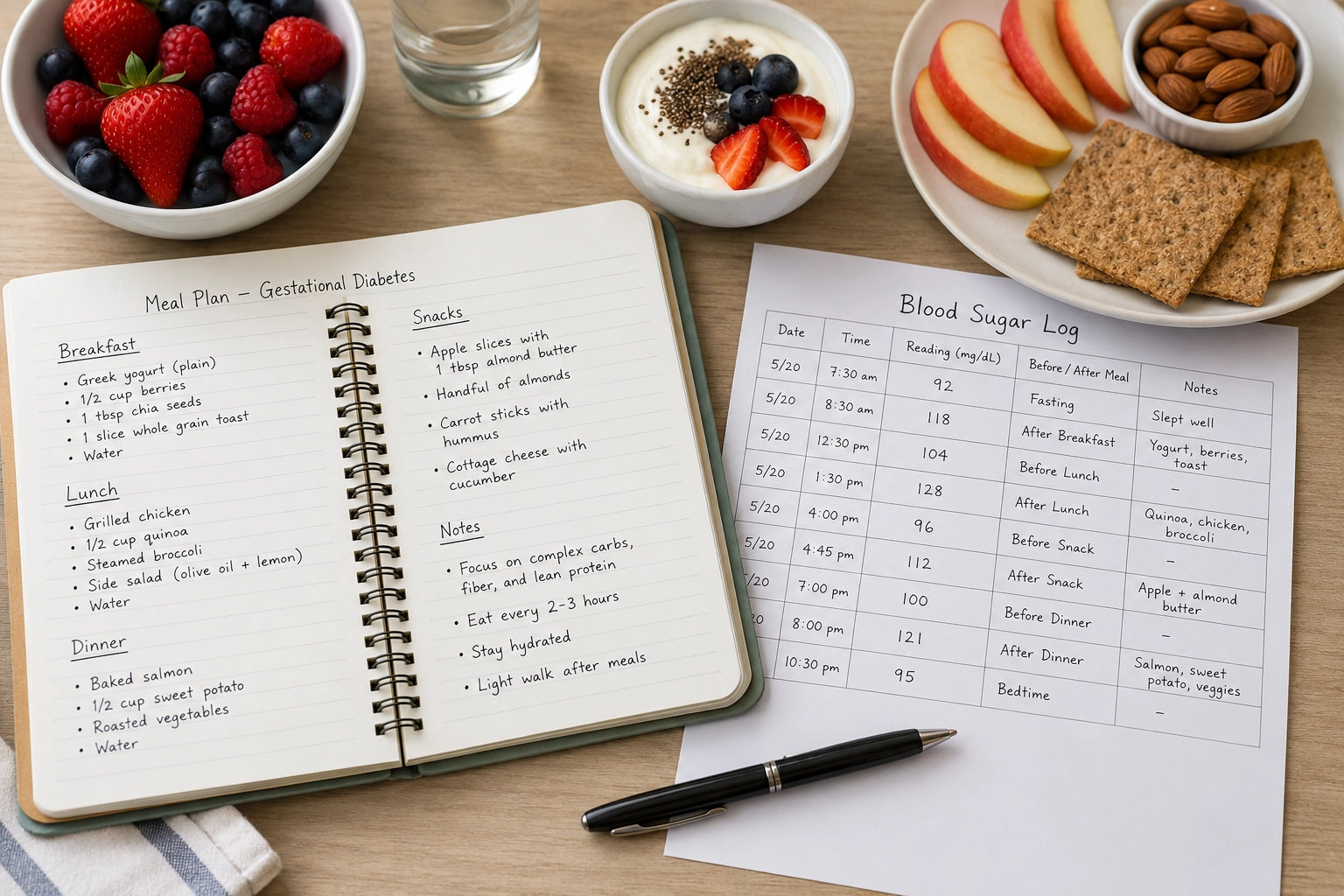
You do not need to write a novel. A simple note can include:
- What you ate
- Approximate time
- Blood sugar reading
- Hunger level
- Any unusual factors, such as poor sleep, stress, nausea, or a larger portion than usual
For example:
“Breakfast: oatmeal with berries and nuts. Felt full. Reading was higher than target.”
That note gives you and your care team something to work with. Maybe the portion was too large. Maybe oatmeal is not your best breakfast. Maybe you need more protein in the morning. The log helps you personalize the plan.
Printable-style checklist: build your own gestational diabetes meal
Before eating, ask:
- Did I include a protein source?
- Did I include fiber-rich vegetables, beans, berries, or whole grains?
- Did I choose a carbohydrate I usually tolerate?
- Did I avoid sugary drinks?
- Did I pair snacks instead of eating carbs alone?
- Did I include enough food to feel satisfied?
- Did I log meals that gave me surprising readings?
- Did I ask my healthcare team about repeated highs or lows?
This checklist is not about perfection. It is about making meals easier to think through.
When to talk to a healthcare professional
Contact your doctor, dietitian, diabetes educator, or pregnancy care team if:
- Your readings are often above the target range you were given
- You are unsure what your glucose targets should be
- You feel unable to eat enough
- You are losing weight unintentionally
- Nausea, vomiting, or food aversions are interfering with meals
- You have symptoms of low blood sugar
- You are worried about medication or insulin
- You are concerned about pregnancy weight gain or fetal growth
- You feel anxious or overwhelmed by food choices
Needing medication or insulin does not mean you failed. Some people need extra support because pregnancy hormones can make blood sugar harder to manage.
FAQ
Can I eat carbs with gestational diabetes?
Many people with gestational diabetes still include carbohydrates. The type, amount, timing, and pairing of carbohydrates can matter. Your healthcare team can help you understand what is appropriate for your pregnancy.
What is a good breakfast for gestational diabetes?
A balanced breakfast often includes protein, fiber, and healthy fat. Examples include eggs with whole-grain toast and avocado, Greek yogurt with berries and chia seeds, or cottage cheese with fruit and nuts. Some people are more sensitive to carbohydrates in the morning, so use your blood sugar log to notice patterns.
Are snacks necessary for gestational diabetes?
Some people are advised to include snacks, especially if they feel hungry between meals or need steadier food spacing. Others may need a different structure. Follow your care team’s guidance.
Can I follow this 7-day gestational diabetes meal plan exactly?
This plan is an educational example, not a personalized prescription. You may need different portions, different carb choices, or different meal timing based on your glucose readings, appetite, pregnancy needs, and medical advice.
What foods should I avoid with gestational diabetes?
It is usually more helpful to think in terms of patterns rather than fear. Sugary drinks, large portions of refined carbohydrates, and sweets eaten alone may be harder for blood sugar management. But your personal response matters, and your healthcare team can help you make realistic choices.
Is fruit okay with gestational diabetes?
Many people can include fruit, especially when paired with protein or fat, such as berries with Greek yogurt or apple slices with peanut butter. Fruit juice and large portions of fruit may affect blood sugar differently than whole fruit.
What should I do if one meal raises my blood sugar?
Write it down, look for patterns, and avoid panic. If readings are often above your target range, contact your healthcare team. You may need meal adjustments, medication changes, or more personalized guidance.
Can gestational diabetes be managed with food alone?
Some people manage gestational diabetes with food and activity changes, while others need medication or insulin. Needing medication is not a personal failure. Pregnancy hormones can make blood sugar harder to manage even when someone is eating carefully.
Practical takeaway
A helpful 7-day meal plan for gestational diabetes should not make you feel trapped. It should give you a structure you can adapt.
Start with a simple formula: protein, fiber-rich foods, a thoughtful carbohydrate portion, and healthy fat. Use snacks to prevent extreme hunger. Track your meals and readings so you can learn what works for your body.
Most importantly, do not try to manage gestational diabetes alone. Use this meal plan as a starting point, then personalize it with your healthcare team.
You should also read:

How to Make Cinnamon Drink for Diabetes: A Safe No-Sugar Recipe Guide
Cinnamon drinks are popular because they sound simple, natural, and easy to make. If you are watching your blood sugar, it is understandable to wonder whether cinnamon water or cinnamon tea could fit into your daily routine. But there is an important difference between using…
Continue reading...
Feeling Sleepy After Meals? Why 10 Minutes of Movement May Be Worth Trying
Feeling sleepy after meals is easy to dismiss. A heavy lunch makes the afternoon feel slower. Dinner ends, and the couch suddenly looks much more inviting. Even a small meal or a simple drink can sometimes leave the body feeling less alert than expected. For…
Continue reading...
Diabetic Breakfast Ideas That Feel Realistic, Filling, and Easy to Repeat
Breakfast can feel surprisingly complicated when you are paying attention to blood sugar. Many common breakfast foods are quick and familiar: cereal, toast with jam, pastries, pancakes, fruit juice, sweetened yogurt, or a flavored coffee on the way to work. The problem is that some…
Continue reading...