Glucose Intolerance Explained: When Your Body Has Trouble Handling Sugar
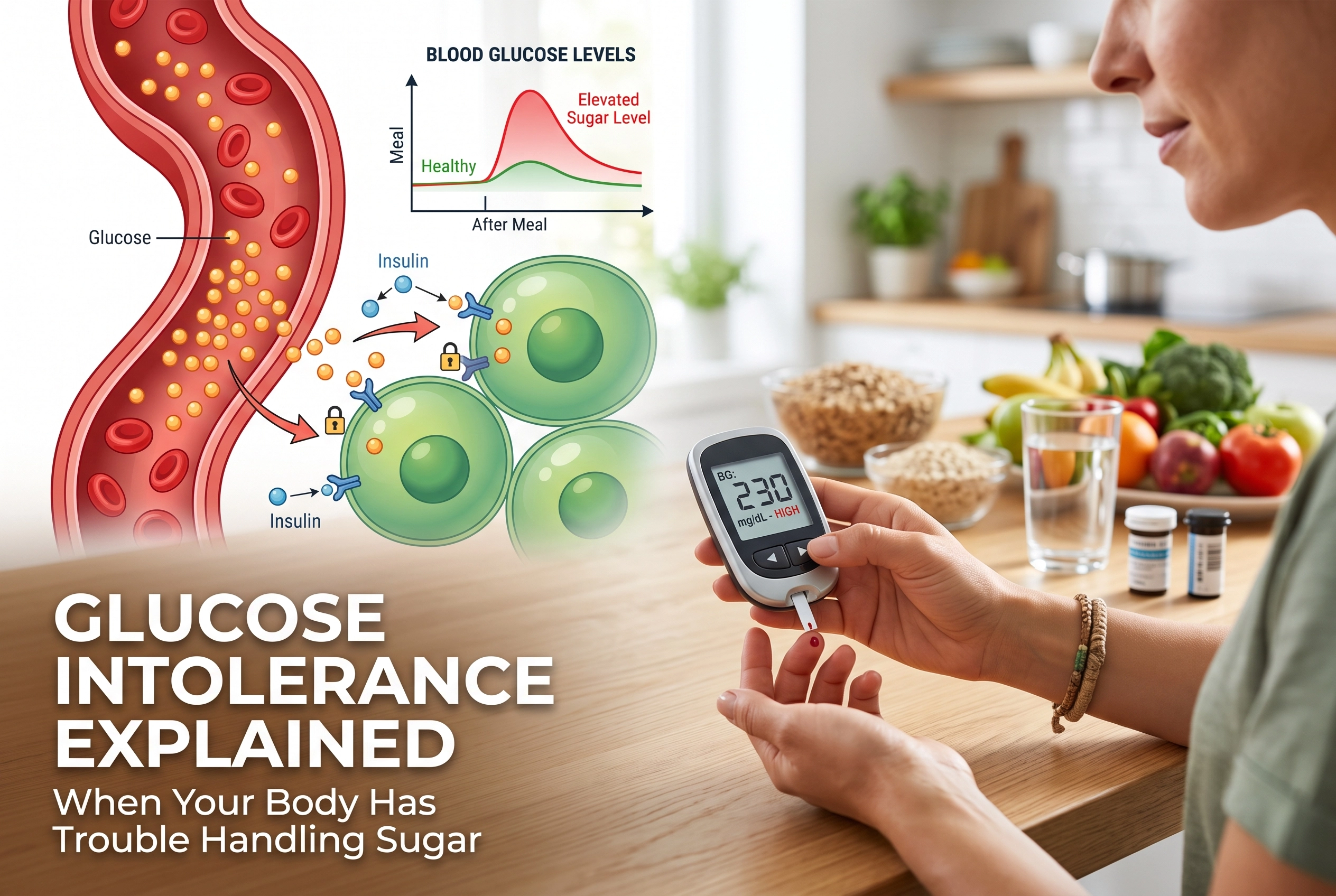
Glucose intolerance can sound like a big medical warning, especially if you have seen the term after searching symptoms like tiredness after eating, blood sugar after meals, or prediabetes risk.
The phrase can feel confusing because it sits between everyday health language and medical testing language. Some people use it broadly to describe difficulty handling glucose. Others use related terms such as impaired glucose tolerance, insulin resistance, or prediabetes. These are connected, but they do not always mean the exact same thing.
The most important thing to know is this: glucose intolerance is not something you should diagnose from symptoms alone. Feeling sleepy after lunch, craving sweets, or seeing one unusual blood sugar reading can be a useful signal to pay attention, but proper testing and healthcare guidance are needed to understand what is really happening.
This article explains glucose intolerance, how it relates to blood sugar after meals, insulin resistance, and prediabetes risk, and what practical habits may support steadier blood sugar patterns.
What Is Glucose Intolerance?
Glucose intolerance generally means the body is not handling glucose as efficiently as expected.
Glucose is a type of sugar that comes from many carbohydrate-containing foods, including rice, bread, potatoes, fruit, milk, pasta, sweets, and sugary drinks. Your body breaks many of these foods down into glucose and uses it as fuel.
After you eat, it is normal for blood sugar to rise. Then, your body uses insulin to help move glucose from the bloodstream into your cells, where it can be used for energy or stored for later.
When this system works smoothly, blood sugar rises after a meal and gradually returns toward a normal range. When the body has more trouble handling glucose, blood sugar may rise higher than expected or stay elevated longer than expected.
That is the simple idea behind glucose intolerance.
Glucose Is Not the Enemy
It is easy to think of glucose as “bad,” but that is not accurate. Your body needs glucose. Your brain, muscles, and many cells use it for energy.
The issue is not that glucose exists. The issue is how well your body manages it.
A balanced meal, good insulin response, enough movement, decent sleep, and healthy metabolic function can all support a smoother glucose pattern. On the other hand, large amounts of refined carbohydrates, sugary drinks, low activity, poor sleep, stress, or insulin resistance may make blood sugar harder to manage for some people.
Where Insulin Fits In
Insulin is a hormone that helps move glucose out of the blood and into cells. A simple way to think about insulin is as a “signal” that tells cells to open the door for glucose.
If your cells respond well to insulin, glucose can move into cells more easily. If your cells do not respond as well, the body may need more insulin to do the same job. Over time, this can be associated with higher blood sugar patterns, especially after meals.
This is where glucose intolerance and insulin resistance often overlap.
Glucose Intolerance vs Impaired Glucose Tolerance
The terms glucose intolerance and impaired glucose tolerance are closely related, but they are not always used in the same way.
“Glucose intolerance” is often used as a broad phrase. It may describe a general problem with how the body handles glucose.
“Impaired glucose tolerance” is more specific. It is commonly linked with results from an oral glucose tolerance test, where blood sugar is checked before and after drinking a glucose-containing liquid. This test helps show how the body responds to a glucose load over time.
In daily life, you can think of it this way:
Glucose intolerance is the broad concept.
Impaired glucose tolerance is one way that abnormal glucose handling may show up on testing.
Why Testing Matters
You cannot know for sure whether you have impaired glucose tolerance just by how you feel after meals.
Some people with blood sugar problems have noticeable symptoms. Others have no obvious symptoms at all. Some people feel tired after meals for reasons that have little to do with blood sugar, such as poor sleep, stress, dehydration, a very large meal, or simply eating too much at once.
Common tests used to understand blood sugar patterns may include:
- A1C test
- Fasting blood sugar test
- Oral glucose tolerance test
- Sometimes other tests, depending on the person’s situation
A healthcare professional can interpret these results in context, including your age, medical history, medications, family history, pregnancy status, weight changes, symptoms, and other risk factors.
Glucose Intolerance vs Diabetes
Glucose intolerance is not automatically the same as diabetes.
Diabetes is diagnosed using specific medical criteria. Glucose intolerance may describe a broader situation where the body is showing signs of abnormal glucose handling. This may include prediabetes-like patterns, impaired glucose tolerance, or insulin resistance-related changes.
Prediabetes is often described as blood sugar that is higher than normal but not high enough for a diabetes diagnosis. It is important because it can be associated with higher risk of developing type 2 diabetes in the future.
That does not mean a person with glucose intolerance will definitely develop diabetes. It also does not mean nothing can be done. It means the pattern deserves attention, proper testing, and sustainable daily habits.
A helpful way to understand the difference:
- Normal glucose handling: blood sugar rises after eating and returns toward baseline efficiently.
- Glucose intolerance: the body may have more difficulty handling glucose, especially after meals.
- Prediabetes: blood sugar test results are above normal but below the diabetes range.
- Diabetes: blood sugar results meet diagnostic criteria and require medical care.
The key message is not to panic or self-diagnose. The key message is to take abnormal results seriously and discuss them with a qualified healthcare professional.
Possible Glucose Intolerance Symptoms
Some people search for glucose intolerance symptoms because they feel something is “off” after eating.
Possible signs that may appear in people with blood sugar swings include:
- Feeling sleepy after meals
- Energy crashes
- Brain fog
- Strong cravings for sweets or refined carbs
- Feeling hungry again soon after eating
- Feeling shaky or irritable between meals
- Increased thirst or urination when blood sugar is significantly high
- No clear symptoms at all
However, these symptoms are not specific. They can have many causes.
For example, feeling tired after lunch might happen because the meal was very large, high in refined carbs, low in protein, or eaten after a poor night of sleep. It might also be related to stress, hydration, caffeine timing, or other health issues.
This is why symptoms are clues, not a diagnosis.
A Real-Life Example: Sleepy After Lunch
Imagine someone eats a large bowl of white rice with a sweet drink and very little protein or vegetables. Two hours later, they feel sleepy, foggy, and want another coffee.

Does this prove glucose intolerance? No.
But it may be a useful pattern to notice. That person might experiment with a more balanced lunch, such as a smaller portion of rice, more vegetables, a protein source, and water instead of a sweet drink. If the pattern continues or they have concerning symptoms, it may be worth discussing blood sugar testing with a healthcare professional.
Why Blood Sugar After Meals Matters
Blood sugar after meals matters because food is one of the main moments when your glucose system is tested.
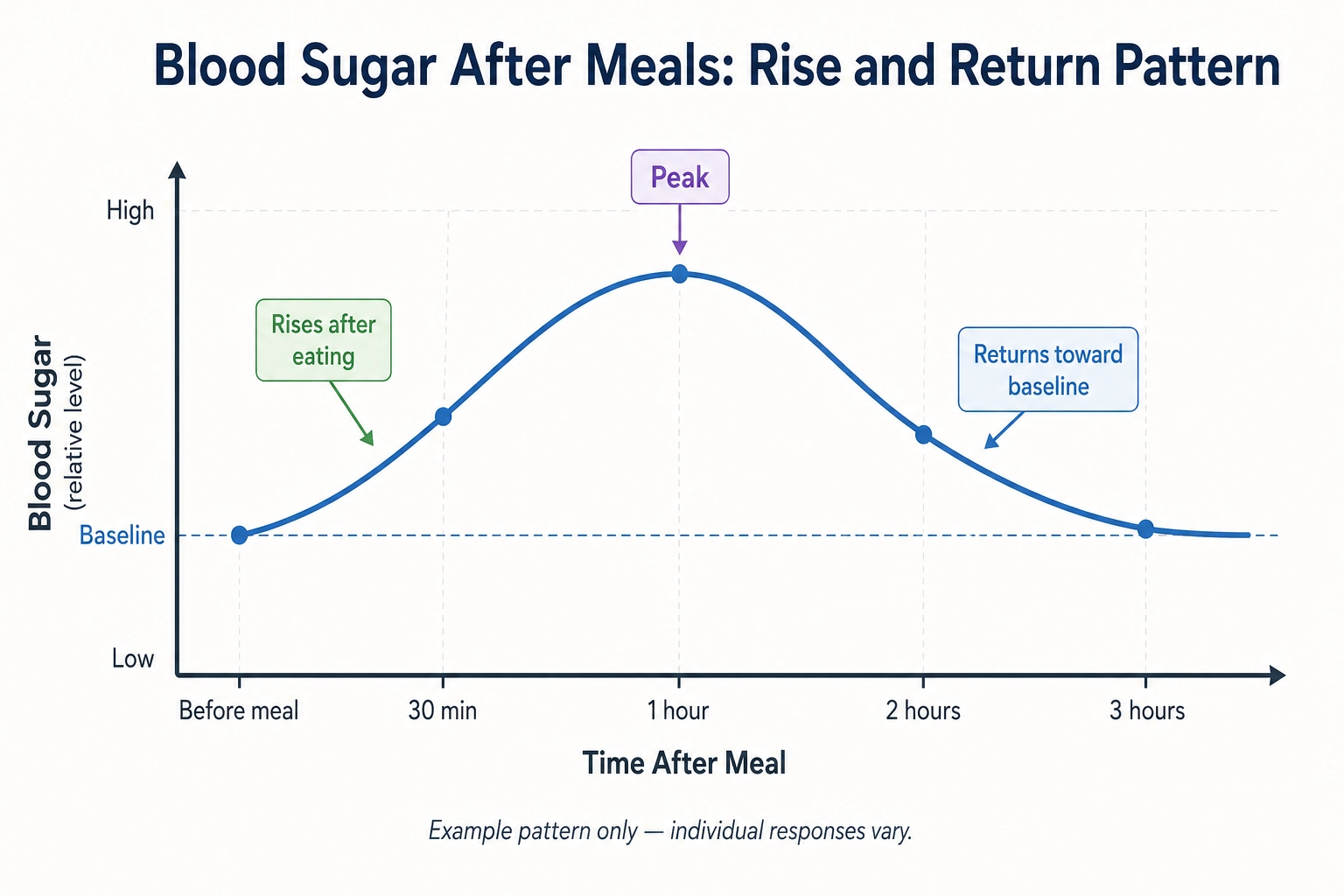
A normal meal usually causes some rise in blood sugar. The question is not whether blood sugar rises at all. The more useful questions are:
- How high does it rise?
- How long does it stay elevated?
- How do you feel afterward?
- Does the same pattern happen repeatedly?
- Are your lab results normal, borderline, or abnormal?
This is the “rise and return” idea. After eating, blood sugar rises. Then, with normal glucose handling, it should gradually move back toward a healthier range.
When someone has reduced glucose tolerance, the return may be slower or less efficient.
Food Quality and Meal Balance Matter
Two meals with the same calories can affect people differently.
For example:
Meal A: white toast, jam, and sweet coffee.
Meal B: eggs, vegetables, avocado, and one slice of whole-grain toast.
Both are breakfasts, but they are not likely to affect fullness, cravings, and blood sugar in the same way for many people.
This does not mean everyone needs to avoid carbohydrates. It means the type of carbohydrate, portion size, and what you eat with it can matter.
Protein, fiber-rich foods, healthy fats, and less processed carbohydrates may support steadier post-meal patterns for many people.
How Insulin Resistance Fits In
Insulin resistance means the body’s cells do not respond to insulin as well as they should. When that happens, glucose has a harder time moving from the blood into cells.
At first, the body may produce more insulin to keep blood sugar in range. This can happen quietly, without obvious symptoms. Over time, if the body struggles to keep up, blood sugar may begin to rise.
This is why insulin resistance is often discussed together with glucose intolerance and prediabetes risk.
But again, this is not something to guess from one symptom. Insulin resistance and abnormal glucose patterns should be evaluated with appropriate testing and medical guidance.
Common Everyday Patterns That May Make Glucose Swings Worse
Glucose intolerance is not only about sugar. It is about the whole pattern of eating, movement, sleep, stress, and metabolic health.
Here are some common daily patterns that may make glucose swings more likely for some people.
Eating Refined Carbs Alone
A breakfast of sweet coffee and white bread may be quick, but it can leave some people hungry and tired later.
A more balanced version might include eggs, Greek yogurt, tofu, cottage cheese, nuts, or another protein source, plus fiber-rich carbohydrates or vegetables.
Drinking Sugar
Sugary drinks are easy to overlook because they do not feel like a meal. Sweet tea, soda, fruit juice, energy drinks, and sweet coffee can add a large amount of fast-digesting sugar.
For some people, changing the drink is one of the simplest ways to reduce glucose swings without making the whole diet feel restrictive.
Skipping Meals, Then Eating a Large Carb-Heavy Meal
Some people skip breakfast, work for hours, then eat a large lunch with rice, noodles, bread, or dessert. This can lead to a bigger glucose load at one time.
A steadier meal pattern may help some people feel more stable, especially if they often experience cravings or energy crashes.
Poor Sleep and High Stress
Sleep and stress can affect appetite, cravings, energy, and how the body manages glucose.
After a bad night of sleep, some people feel hungrier, crave more refined carbs, and have less motivation to move. Stress can also make it harder to maintain consistent routines.
Sitting for Long Periods After Meals
You do not need an intense workout after eating. For many people, gentle movement, such as a short walk after meals, may support better glucose handling.
The goal is not punishment. The goal is to help your body use some of the fuel from the meal.
What You Can Realistically Do
If you are worried about glucose intolerance, the best next step is not panic or extreme dieting. A more useful approach is to understand your patterns and build habits that support steadier blood sugar.
Build More Balanced Meals
A simple meal structure is:
- Protein
- Fiber-rich carbohydrates
- Non-starchy vegetables
- Healthy fats
- Water or an unsweetened drink

For example, instead of only eating a large bowl of noodles, you might add chicken, tofu, eggs, fish, or beans, plus vegetables, and reduce the portion of noodles if needed.
Instead of cereal and juice, you might choose Greek yogurt with nuts and berries, or eggs with vegetables and a small portion of whole-grain toast.
Notice Your Personal Patterns
You do not need to obsess over every bite. But it can help to notice:
- Which meals leave you sleepy?
- Which meals keep you full?
- Do sweet drinks make cravings worse?
- Do large portions of rice, noodles, or bread affect your energy?
- Does poor sleep make your hunger stronger the next day?
Patterns are more useful than one isolated meal.
Use a Blood Sugar Log If Appropriate
If you already monitor blood sugar, or your healthcare professional suggests it, a simple blood sugar log can help you connect readings with meals, sleep, activity, and symptoms.
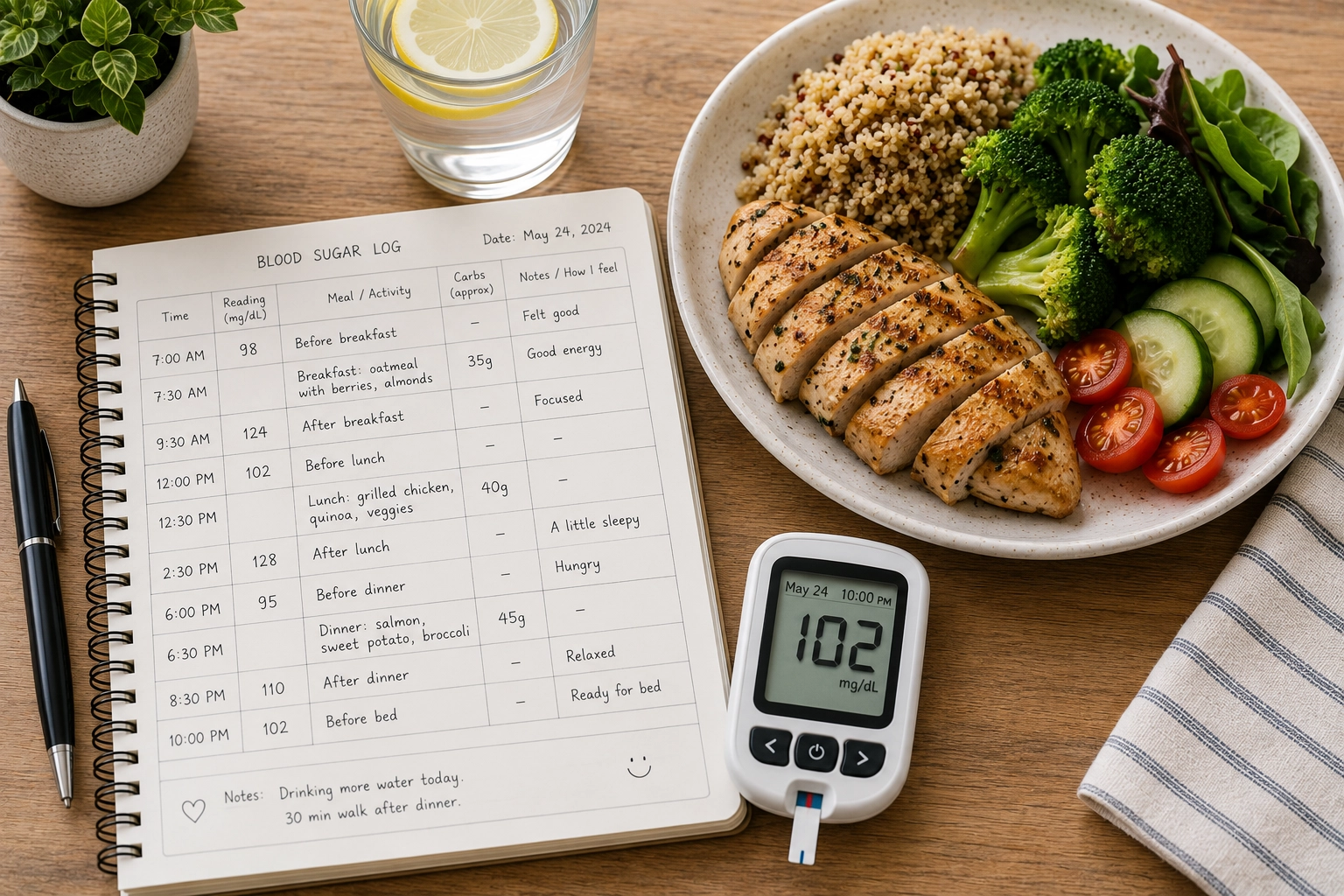
This is not about judging yourself. It is about collecting information.
For example, a useful note might include:
- What you ate
- Time of meal
- Blood sugar reading, if you are monitoring
- Energy level afterward
- Sleep quality
- Stress level
- Movement after the meal
This can give you and your healthcare provider a clearer picture.
Learn Normal Ranges Without Self-Diagnosing
It can be helpful to understand normal blood sugar ranges, but internet charts should not replace medical interpretation.
Blood sugar numbers can vary depending on the test type, timing, recent meals, illness, stress, medications, pregnancy, and other factors.
Use charts as education, not as a final diagnosis.
Make Breakfast Less Sugar-First
Breakfast is a common place where blood sugar patterns start poorly.
A sugar-first breakfast might be sweet coffee, toast with jam, cereal, juice, or pastries. These foods may be convenient, but some people find they lead to hunger and fatigue later.
A more balanced breakfast may include protein, fiber, and slower-digesting carbohydrates. This could be eggs with vegetables, plain yogurt with nuts, tofu with vegetables, or oatmeal balanced with protein and less added sugar.
Focus on Sustainable Habits
The best habit is the one you can repeat.
A strict plan that lasts three days is usually less useful than a realistic plan you can keep for months.
Small changes may include:
- Swapping sugary drinks for water or unsweetened tea
- Adding protein to breakfast
- Taking a short walk after dinner
- Reducing oversized portions of refined carbs
- Adding vegetables before or with main meals
- Sleeping more consistently
- Keeping simple food and energy notes
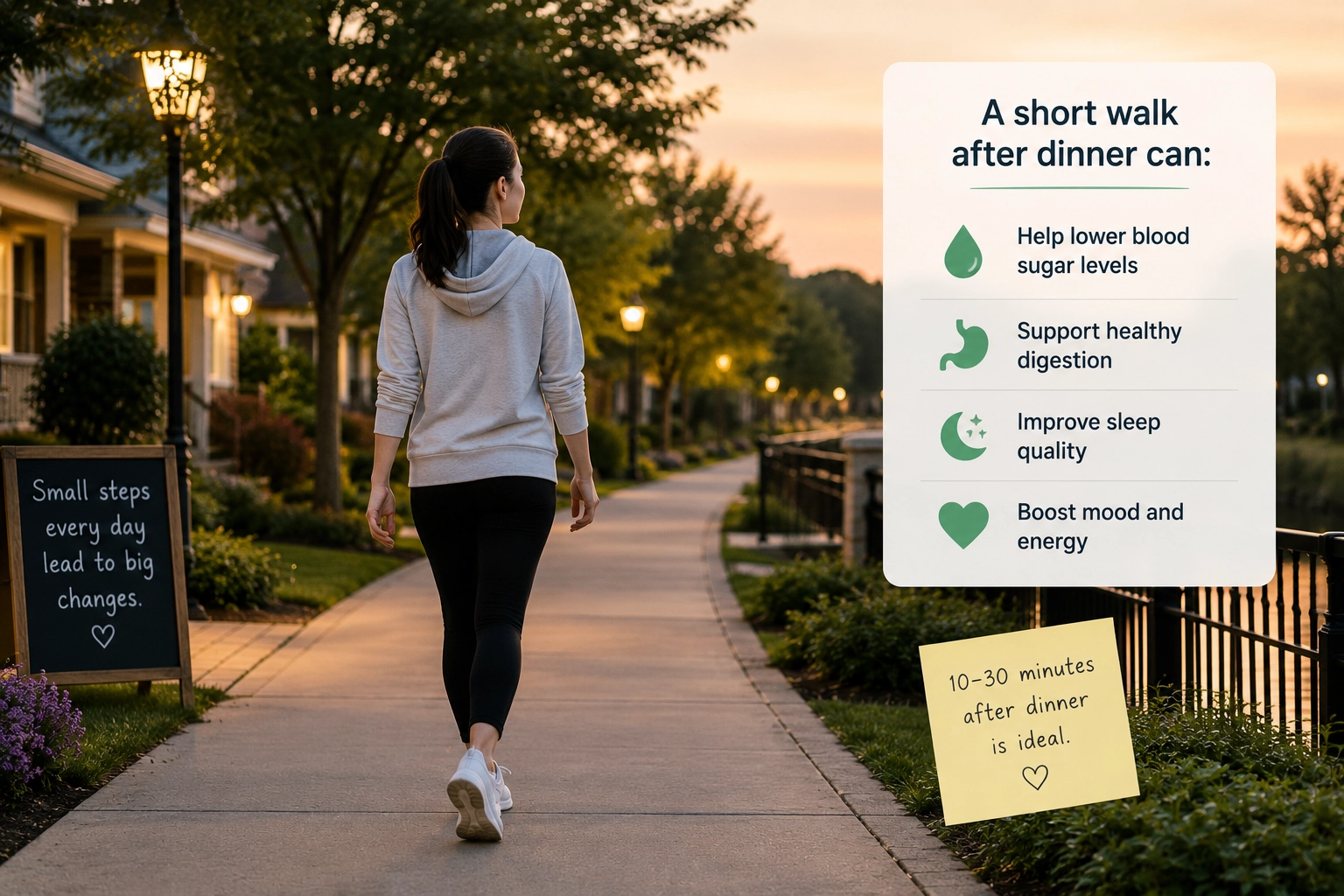
These habits may support better blood sugar patterns, but they are not a guaranteed treatment or replacement for medical care.
The MEAL + PATTERN Framework
Here is a simple framework to think about glucose intolerance in daily life.
M — Meal Balance
Does your meal include protein, fiber, and mostly minimally processed foods?
E — Energy After Eating
Do you feel steady, sleepy, shaky, foggy, or hungry soon after?
A — Activity
Are you sitting for most of the day, or do you include gentle movement?
L — Lab Results
Have you had A1C, fasting glucose, or other tests interpreted by a healthcare professional?
P — Patterns, Not One Meal
Does the same issue happen repeatedly, or was it just one unusual day?
A — Ask for Guidance
Talk to a healthcare professional if you have abnormal results, concerning symptoms, or risk factors.
T — Track Carefully
Use a simple log if appropriate, especially if you are already monitoring blood sugar.
T — Timing Matters
Look at fasting numbers, post-meal patterns, sleep, stress, and meal timing.
E — Expectations Should Be Realistic
Lifestyle habits may support healthier patterns, but they do not work like an instant fix.
R — Review Regularly
Bring notes, lab results, and questions to your healthcare appointment.
N — No Self-Diagnosis
Do not label yourself based only on symptoms, one reading, or an online article.
When to Talk to a Healthcare Professional
You should consider talking to a healthcare professional if:
- You have been told your blood sugar is high or borderline
- You have symptoms such as unusual thirst, frequent urination, unexplained weight loss, or ongoing fatigue
- You have a family history of type 2 diabetes
- You have had gestational diabetes in the past
- You are pregnant or planning pregnancy
- You take medication that can affect blood sugar
- You have repeated high home blood sugar readings
- You feel unsure about how to interpret your results
Medical guidance is especially important because blood sugar issues can be silent. Some people feel normal even when their lab results are not ideal.
FAQ
What is glucose intolerance in simple terms?
Glucose intolerance means the body may not be handling glucose as efficiently as expected. Blood sugar may rise higher or stay elevated longer after eating. It is a broad concept and should be confirmed through appropriate testing, not symptoms alone.
Is glucose intolerance the same as diabetes?
No, not always. Glucose intolerance can describe abnormal glucose handling, while diabetes is a specific medical diagnosis based on testing. Glucose intolerance may be related to prediabetes risk, but it does not automatically mean diabetes.
What is impaired glucose tolerance?
Impaired glucose tolerance usually refers to abnormal blood sugar results after an oral glucose tolerance test. It suggests the body is having difficulty processing glucose after a glucose load.
Can glucose intolerance cause symptoms after meals?
Some people may notice tiredness, brain fog, cravings, or hunger after meals. However, these symptoms can have many causes and are not enough to diagnose glucose intolerance.
Can you have glucose intolerance with normal fasting blood sugar?
It is possible for some people to have normal fasting blood sugar but still show abnormal patterns after meals or during an oral glucose tolerance test. This is one reason proper testing and professional interpretation matter.
Is glucose intolerance related to insulin resistance?
Yes, it can be related. Insulin resistance means the body’s cells do not respond to insulin as well as they should. This can make it harder for glucose to move from the blood into cells.
Does glucose intolerance mean I will definitely get diabetes?
No. It may indicate higher risk, especially if related to prediabetes or insulin resistance, but it does not guarantee diabetes. Sustainable lifestyle habits and medical follow-up may help support better long-term health.
What foods should I be careful with if I am worried about glucose intolerance?
You do not need to fear all carbohydrates. It may help to pay attention to sugary drinks, large portions of refined carbohydrates, sweets, and meals that lack protein or fiber. Balanced meals are often more useful than extreme restriction.
Should I use supplements for glucose intolerance?
This article does not recommend supplements for glucose intolerance. Supplements should not be viewed as a treatment for glucose intolerance, prediabetes, diabetes, or insulin resistance. If you are considering any supplement, discuss it with a healthcare professional, especially if you take medication or have a medical condition.
When should I get tested?
Consider asking a healthcare professional about testing if you have abnormal readings, symptoms, family history, previous gestational diabetes, weight changes, or other risk factors. Testing can give a clearer answer than guessing from symptoms.
Practical Takeaway
Glucose intolerance is best understood as a sign that the body may be having trouble handling glucose efficiently, especially after meals. It is connected with ideas like impaired glucose tolerance, insulin resistance, and prediabetes risk, but it is not something to diagnose from symptoms alone.
In daily life, the most useful approach is to notice patterns, build balanced meals, reduce obvious glucose stressors like sugary drinks, move gently, sleep consistently, and talk to a healthcare professional when results or symptoms are concerning.
The goal is not fear. The goal is awareness, testing when appropriate, and realistic habits that support long-term metabolic health.
Health disclaimer: This article is for general educational purposes only and is not medical advice. It should not be used to diagnose, treat, cure, or prevent any disease. If you have abnormal blood sugar results, symptoms, diabetes, prediabetes, pregnancy-related concerns, or take medication, speak with a qualified healthcare professional.
You should also read:
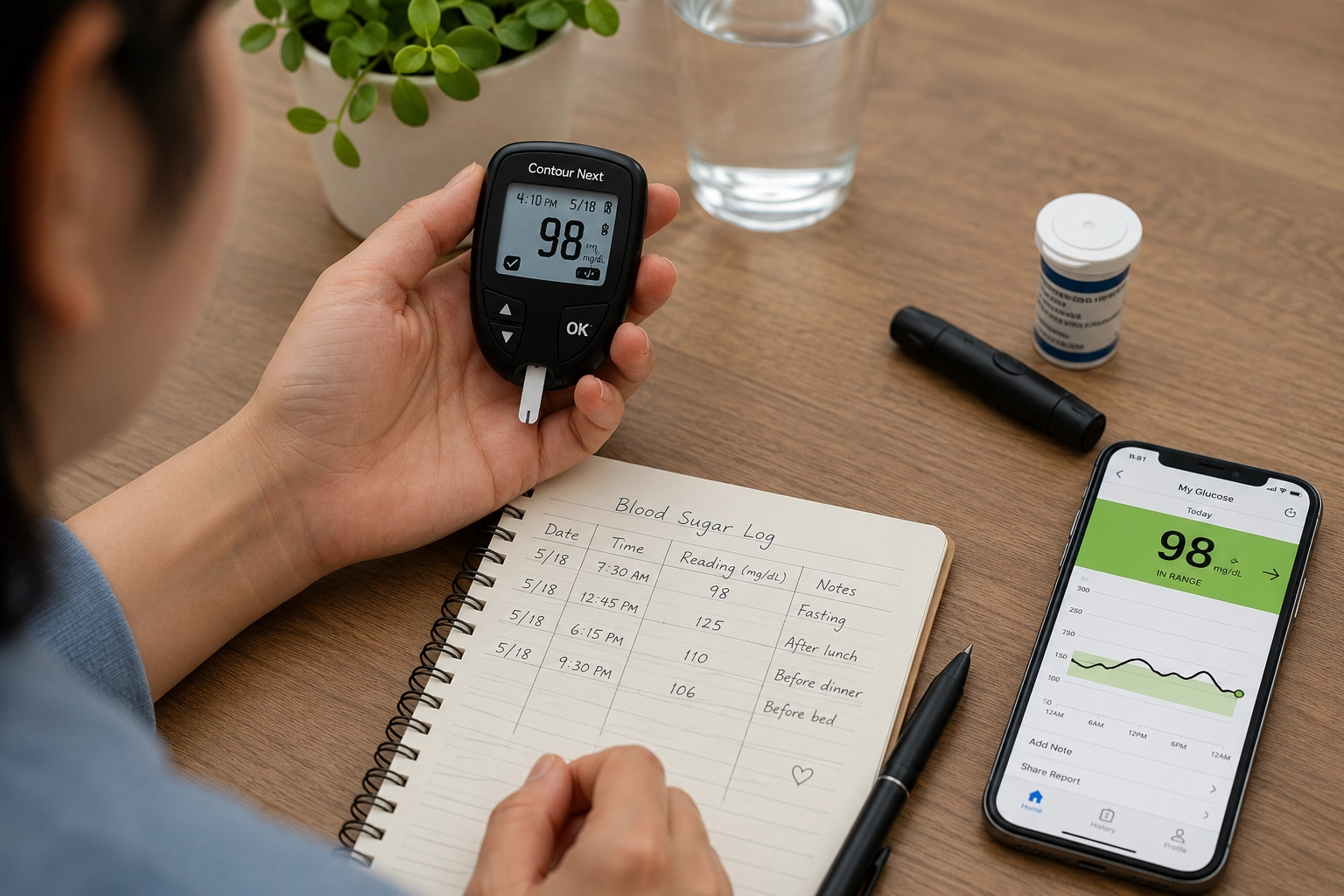
Blood Sugar Conversion Chart: How to Understand Your Glucose Numbers in Different Units
Blood sugar numbers can be confusing enough on their own. They become even more confusing when one website shows a reading in mg/dL, your glucose meter uses mmol/L, or a lab report lists a number that looks completely unfamiliar. For example, you may see 100…
Continue reading...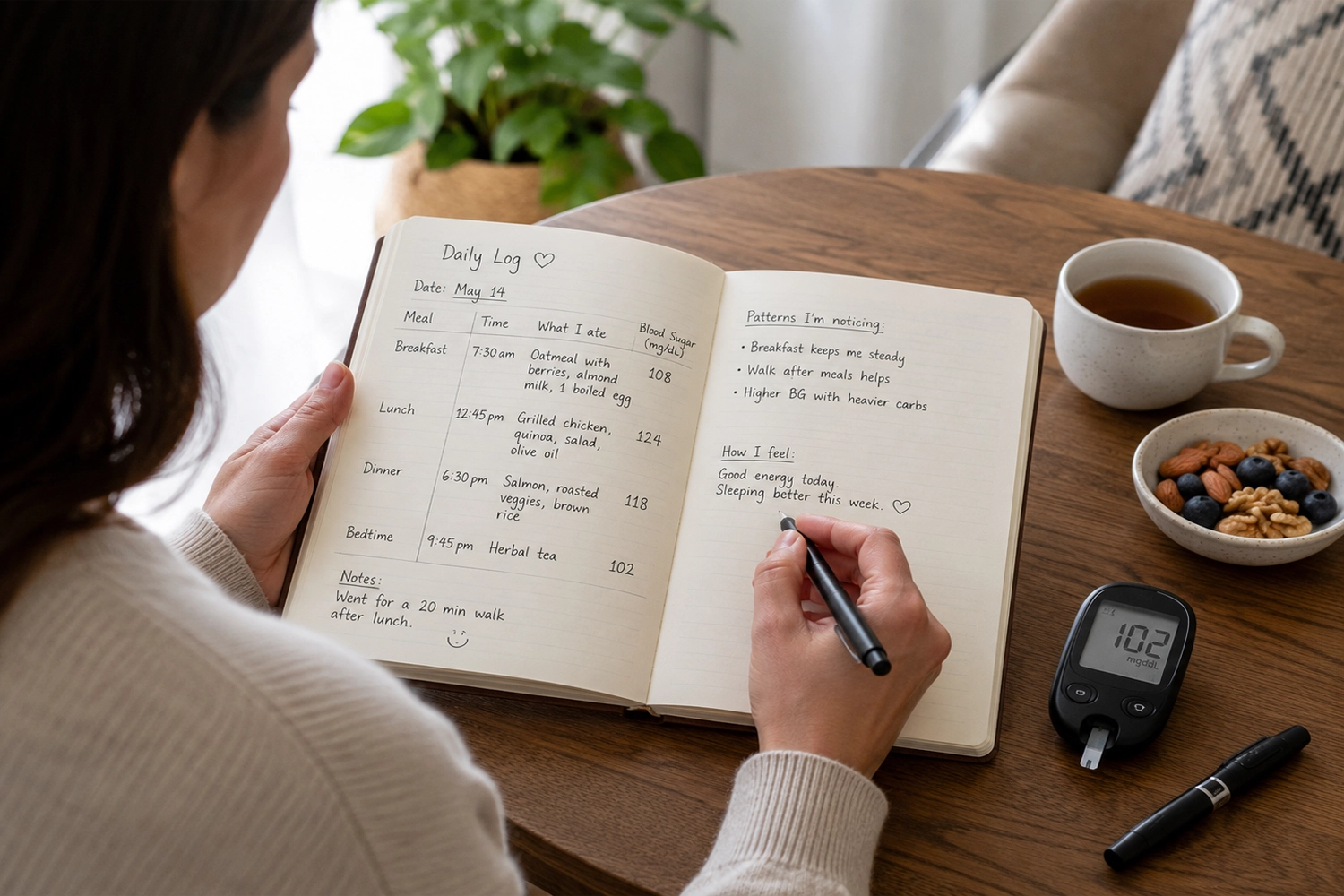
Blood Sugar Support in Real Life: What Actually Helps Day to Day?
If you have ever felt tired after a meal, craved something sweet in the afternoon, or felt confused by blood sugar numbers, the phrase “blood sugar support” can sound both helpful and vague. Some people use it to talk about food choices. Others use it…
Continue reading...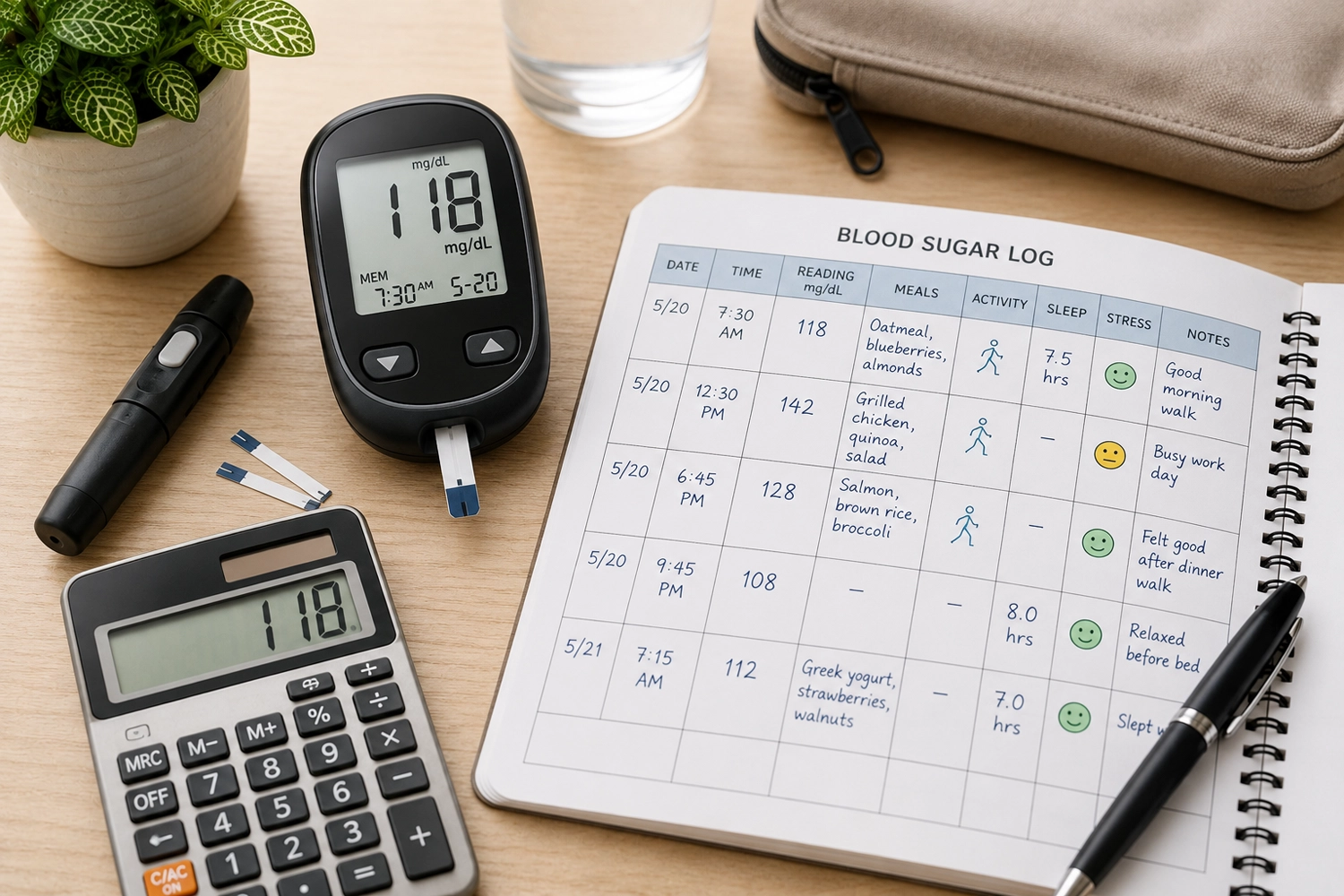
Glucose to A1C Calculator: How to Estimate A1C from Average Blood Sugar
If you track your blood sugar at home, you may already know numbers like 98, 126, 154, or 180 mg/dL. Then you go to a healthcare appointment and hear a different kind of number: your A1C. At first, it can feel like glucose readings and…
Continue reading...